
WHEN TEMPERATURES RISE, SO DOES THE RISK OF VIOLENCE AGAINST WOMEN
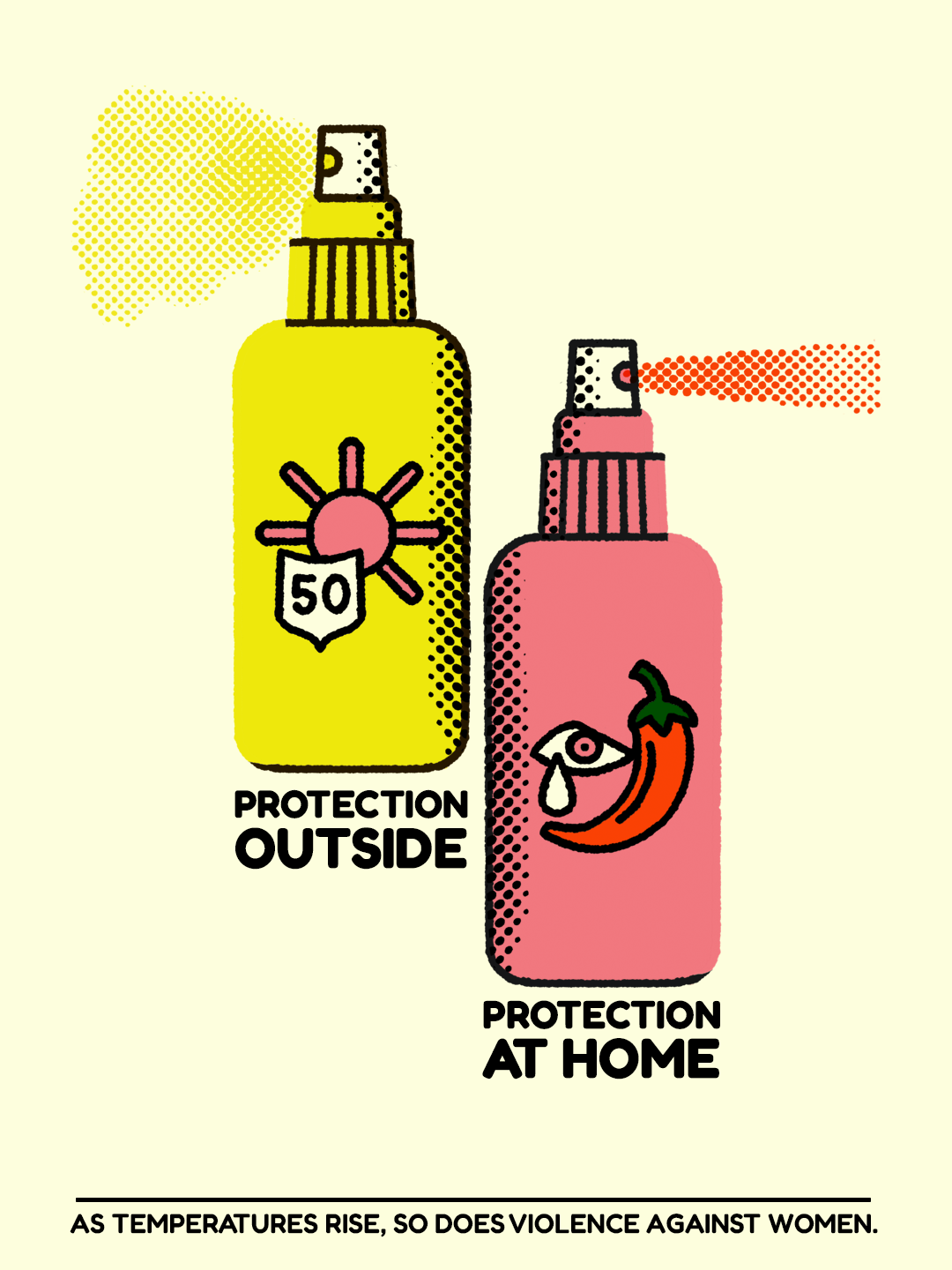
Rozalina Burkova for Fine Acts
A growing body of research shows that periods of extreme heat are associated with increased rates of violence against women, particularly intimate partner violence.
As climate change drives more frequent and more intense heatwaves across Europe, this is a connection we can no longer afford to ignore.
Understanding this connection can help us better anticipate risks, strengthen prevention and support, and ensure that responses to a changing climate also account for women’s safety.
We’ve brought together the evidence behind the campaign, practical ways you can help, and resources for those who want to dig deeper.
UNDERSTAND THE CONNECTION. TAKE ACTION.
-
We often think about the impacts of extreme heat in terms of wildfires, droughts, or pressure on our health systems. But there is another consequence that receives far less attention.
Violence against women is already widespread across Europe. Around one in three women in the European Union has experienced physical and/or sexual violence since the age of 15.
Research is increasingly showing that climate-related stress, particularly extreme heat, can intensify existing risks. According to UN Women, every 1°C increase in global temperature is associated with a 4.7% increase in intimate partner violence. Furthermore, heat can increase tension and conflict, even when it does not directly cause violence.
Research suggests several possible reasons for this. Extreme heat can increase physiological stress, irritability, and aggression, disrupt sleep, and make it harder to regulate emotions and impulses. During heatwaves, people may also spend more time together indoors, increasing opportunities for conflict, while financial pressures and other climate-related stresses can further intensify existing tensions.
None of this excuses or explains away abusive behaviour. Violence is always a choice and the responsibility of the perpetrator. Extreme heat does not cause someone to become abusive – it can amplify the conditions in which existing patterns of violence become more likely or more severe.
Despite these patterns, the connection between climate stress and women’s safety is rarely acknowledged in public conversations. This divide makes it harder to see how climate stress affects everyday safety, freedom, and control – and why efforts to prevent violence and protect women must adapt as climate impacts grow.
-
Whether you're learning about this connection for the first time or already working on these issues, there are ways to help.
Learn more about how climate change and violence against women intersect. (See some introductory resources below.)
If you or someone you know is experiencing violence, contact a local support organisation or helpline.
Ring the bell. If you are a neighbour and do not want to call the police or confront the abuser directly, use a simple pretext to interrupt the situation—for example, ask to borrow a household item (such as a cup of sugar or an iron) or ask an everyday question (e.g. "Have you seen my cat?"). Even a brief interruption can reduce or stop the violence in that moment and might save someone's life.
Support organisations in your country working to prevent violence against women and support survivors through donations, volunteering, or advocacy.
Share this information to help bring this overlooked issue into public conversation.
Call for climate policies that recognise women's safety, ensuring that efforts to adapt to a changing climate also strengthen protection and prevention.
-
If you'd like to explore the research behind this campaign, we recommend:
Research
Understanding the link between heat and intimate partner violence – this study finds that extreme heat leads to a 6% rise in total IPV offences, with a stronger increase for severe cases.
Do heatwaves/above-average temperature increase interpersonal violent behavior? A scoping review – a review of evidence linking elevated temperatures to increased interpersonal violence and recommendations for climate adaptation.
Heat wave and the risk of intimate partner violence – research examining how heatwaves are associated with increased risk of intimate partner violence over time.
Do gender-based violence interventions consider the impacts of climate change? A systematic review – a review highlighting the need for violence prevention and response programmes to better account for climate-related risks.
Books
Feminism for a World on Fire by Natasha Walter – this book takes an ecofeminist perspective, arguing that climate change intensifies gender inequality, including violence against women, food insecurity, and displacement.
The Heat and the Fury: On the Frontlines of Climate Violence by Peter Schwarzstein – this book examines how climate change contributes to many forms of violence, including violence against women.
THE CAMPAIGN
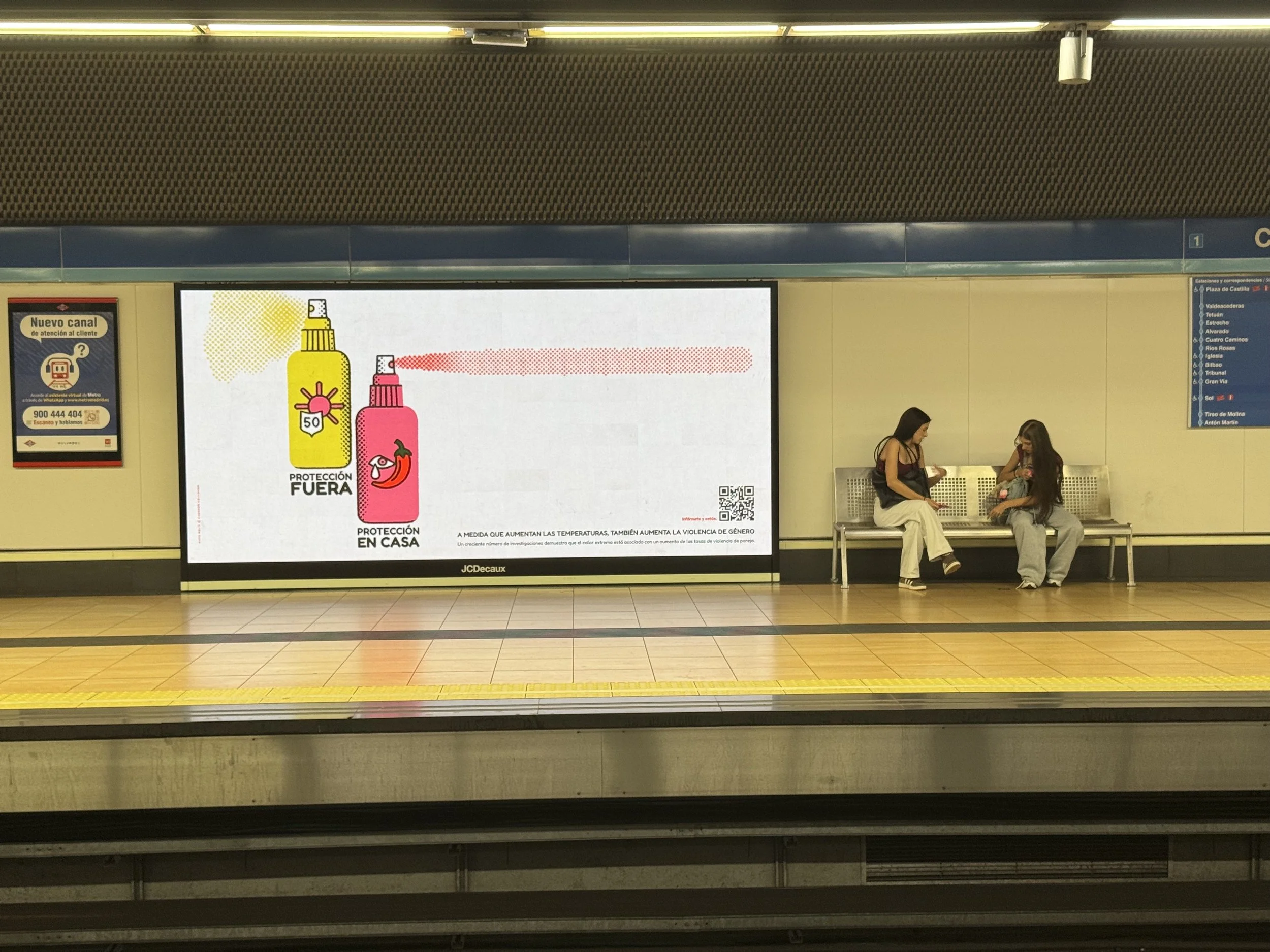
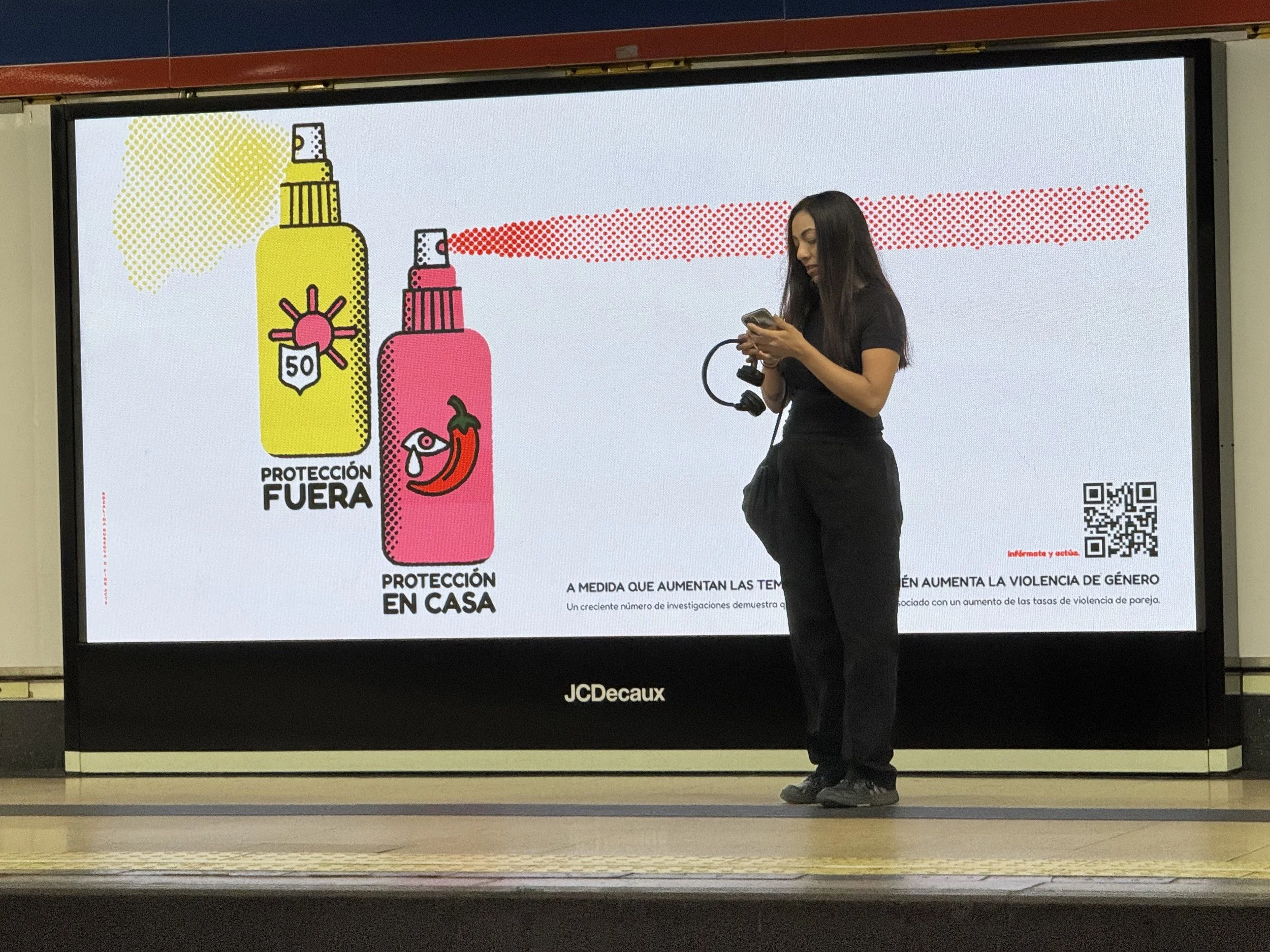
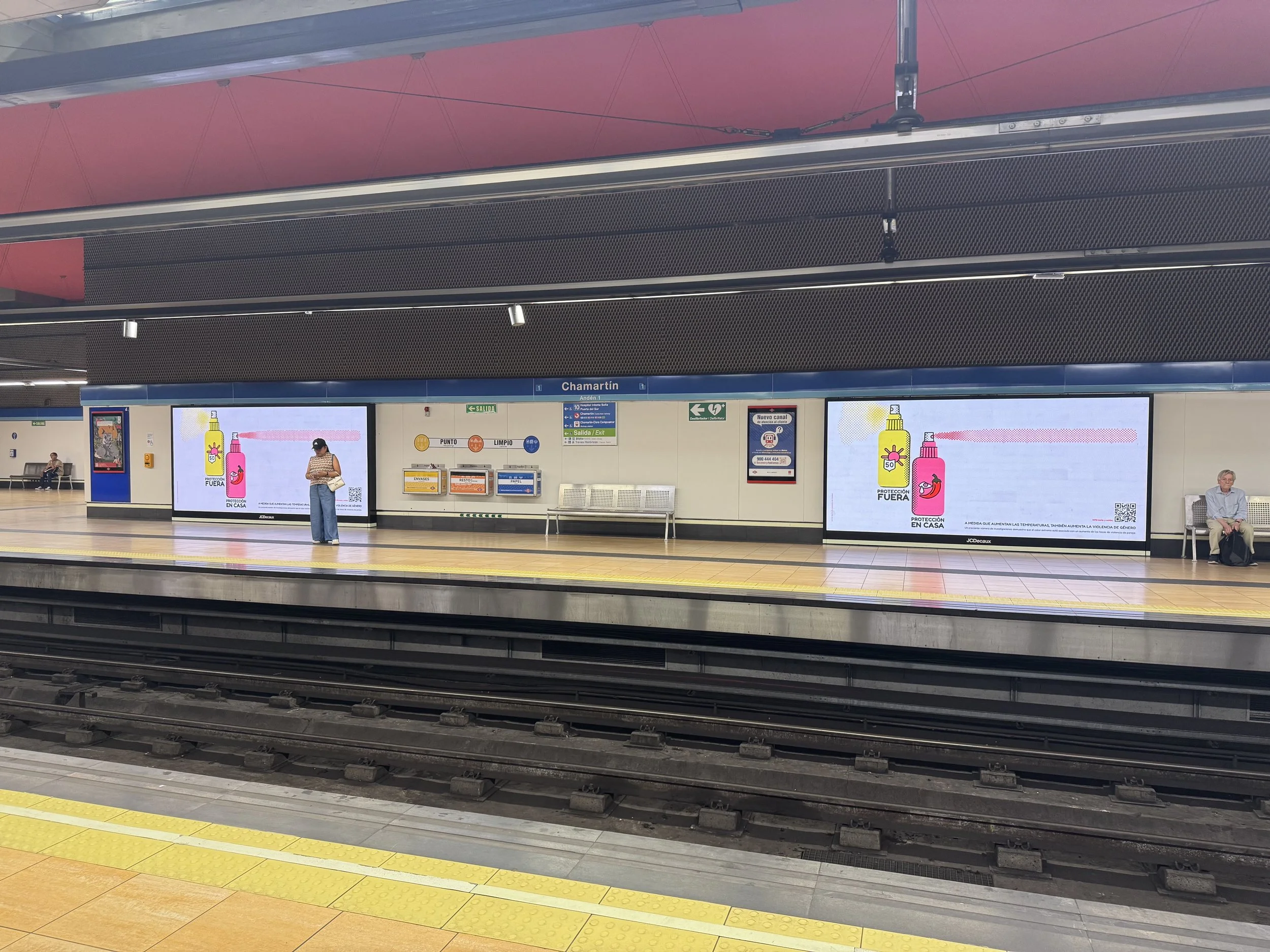
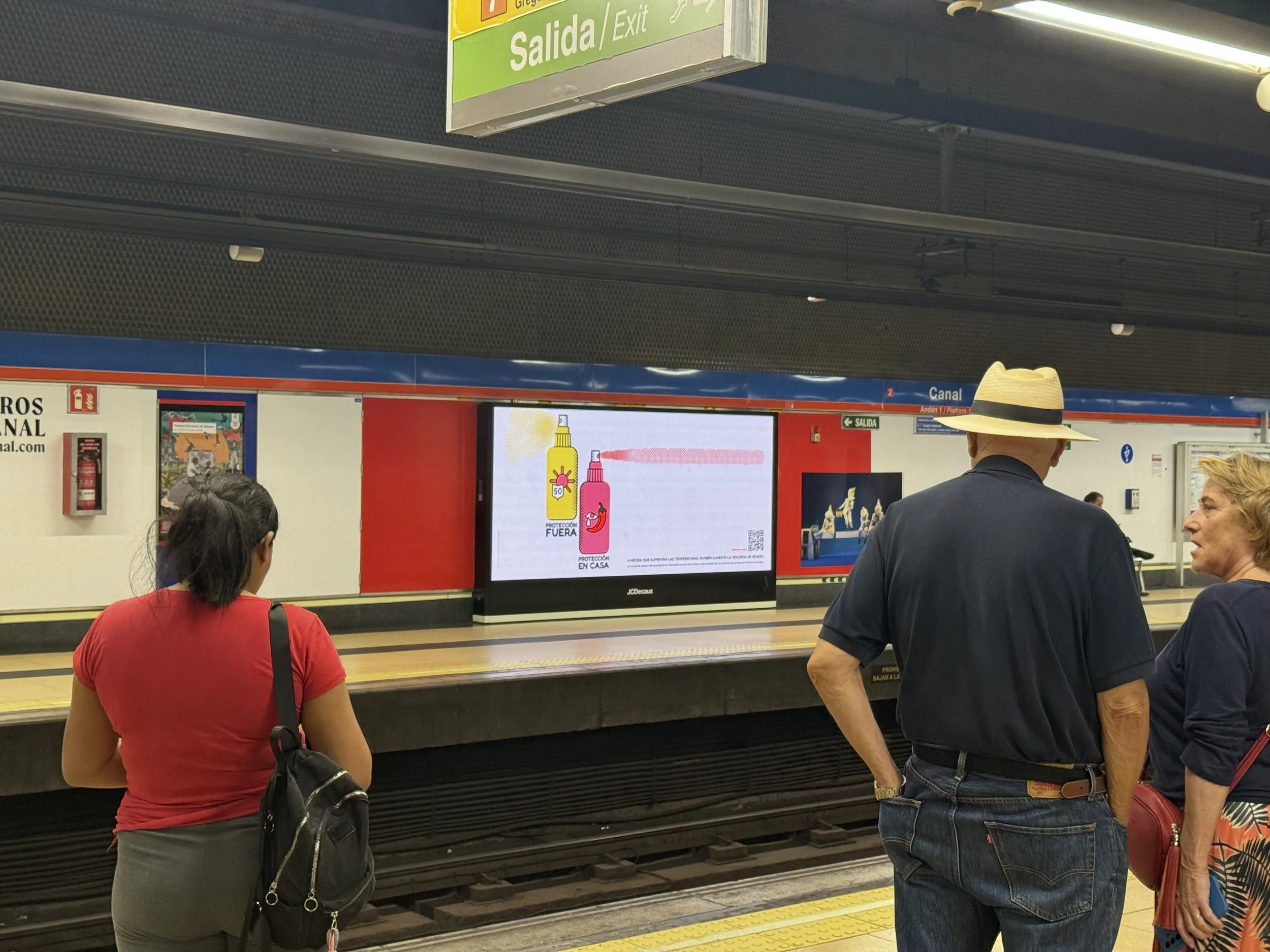
During one of Europe’s hottest summers on record, Fine Acts launched a one-of-a-kind campaign, bringing together six leading creative agencies from six European countries to join us in revealing a link that could help save lives, but is still missing from public conversation.
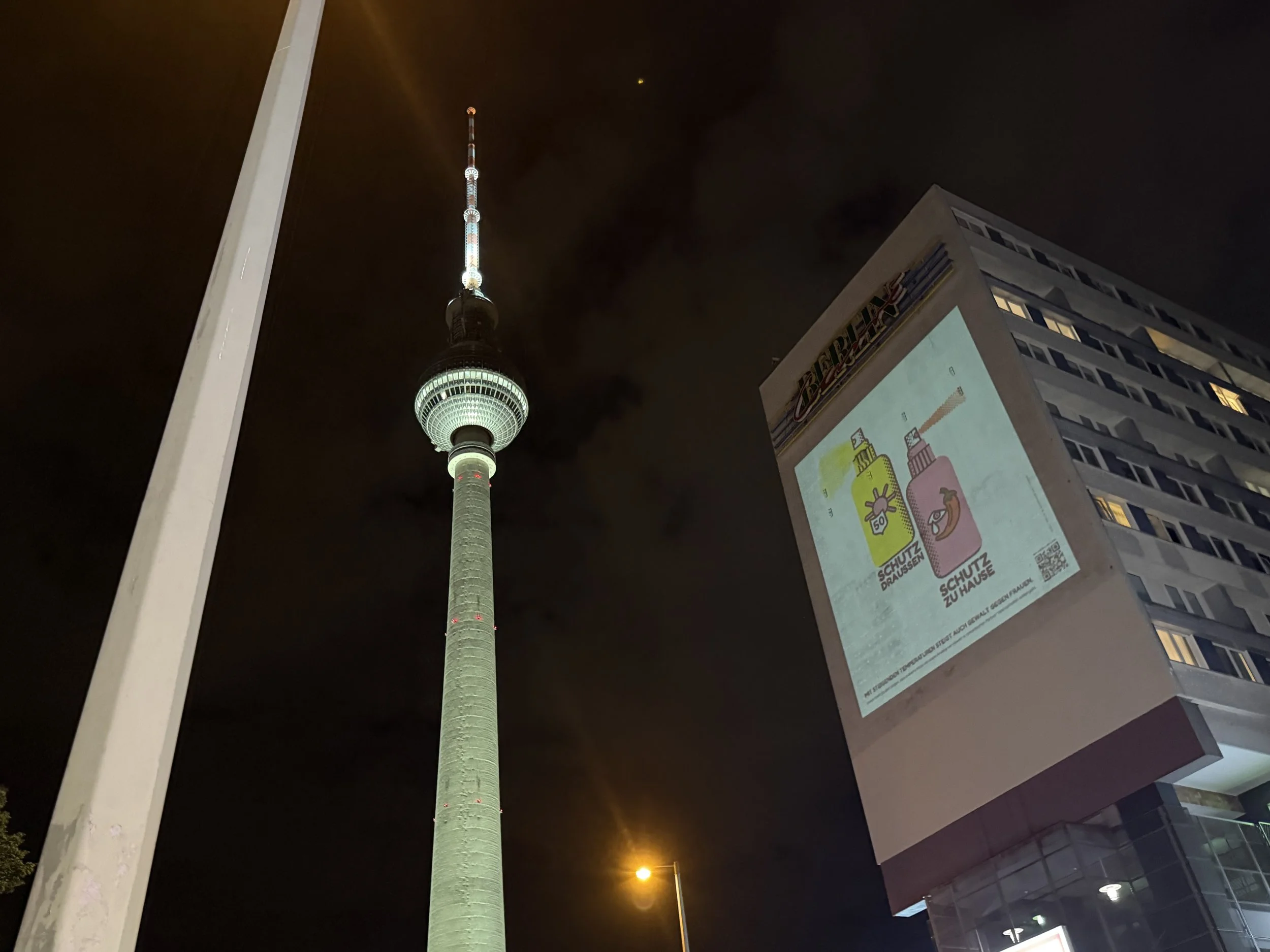
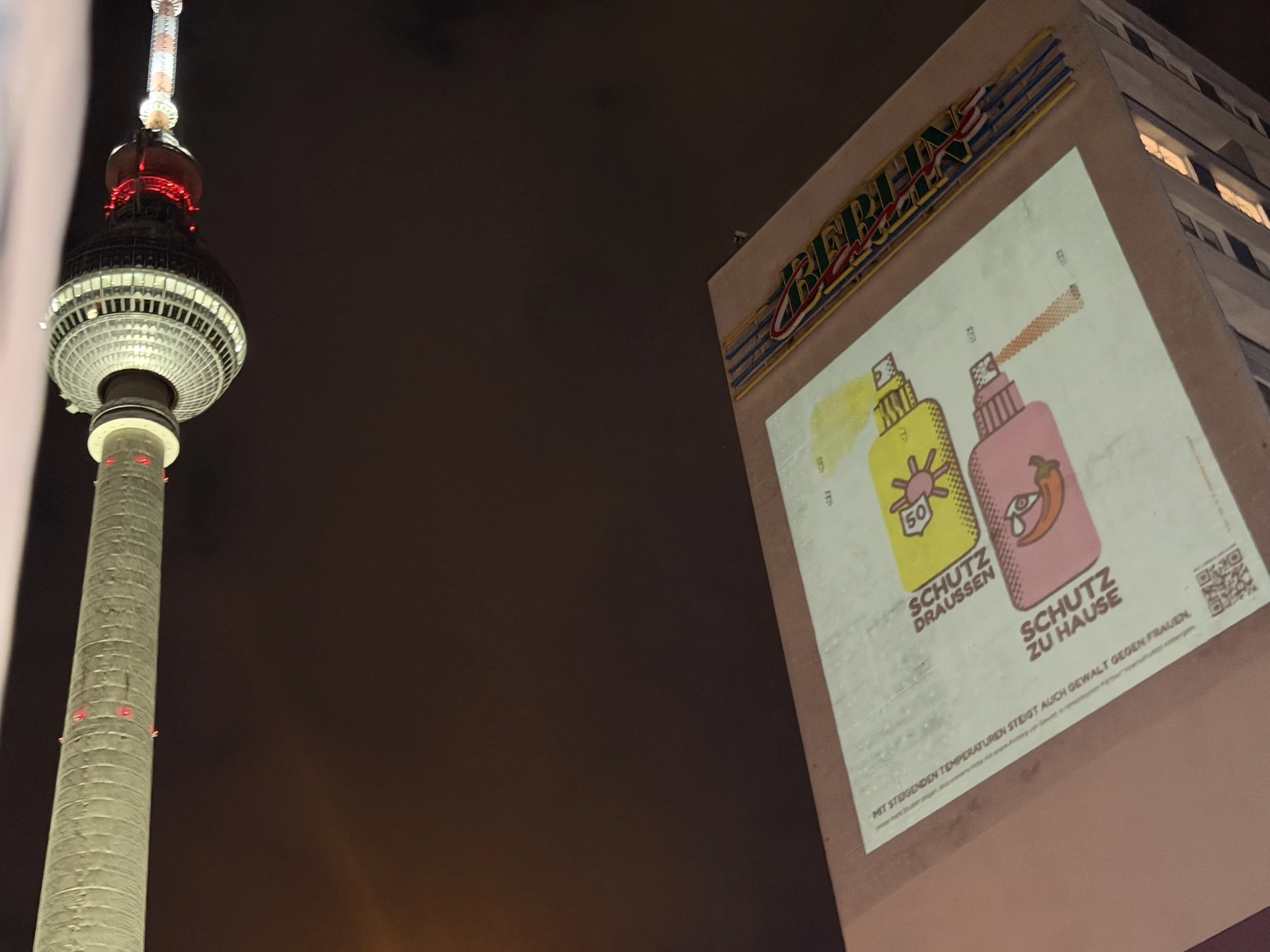
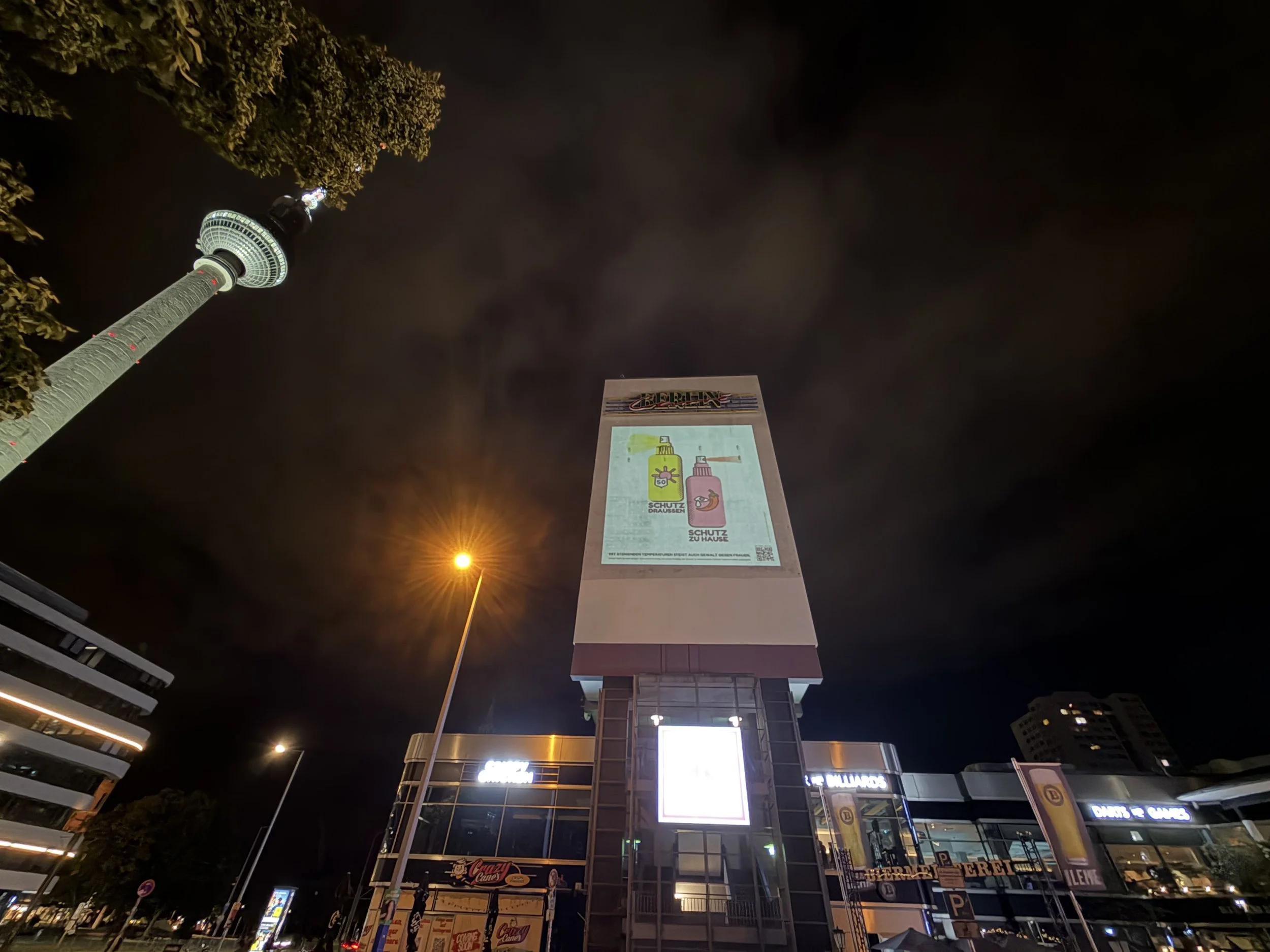
As part of our own pan-European activation, we joined forces with artist Rozalina Burkova, taking over major public spaces through large-scale projections and billboards.
Here’s a glimpse of some of our creative activations in Berlin, Paris, and Madrid this August.
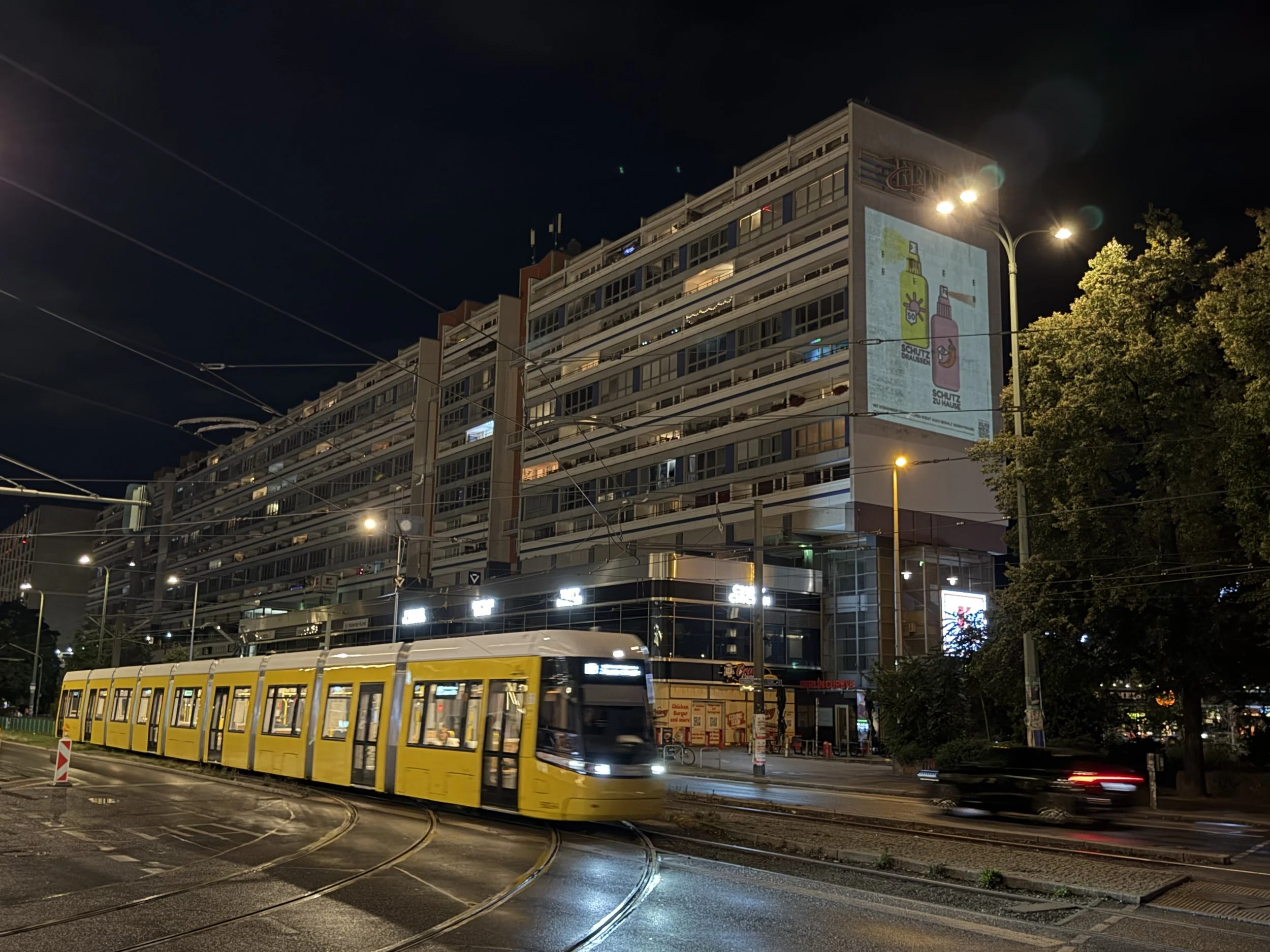

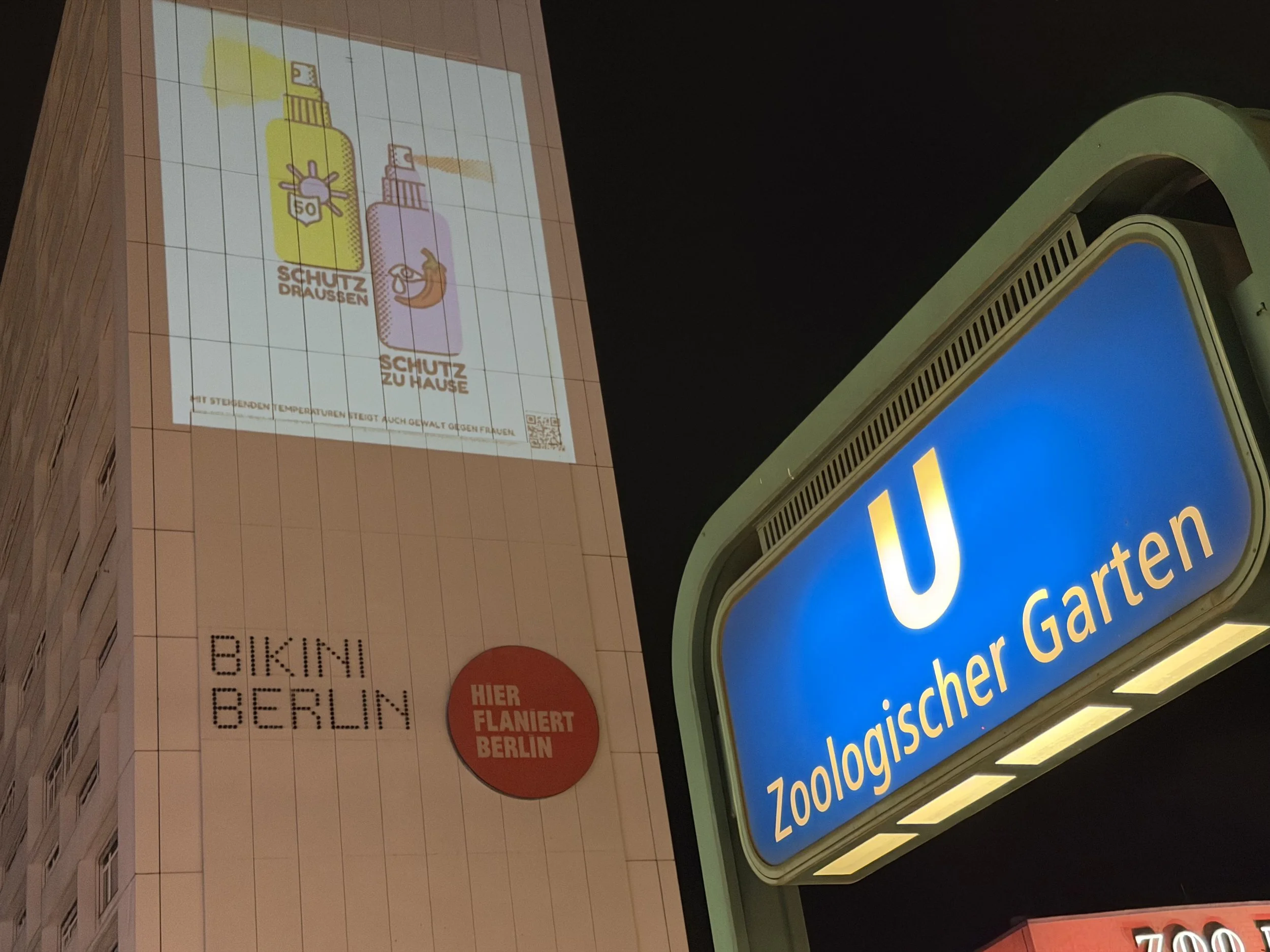
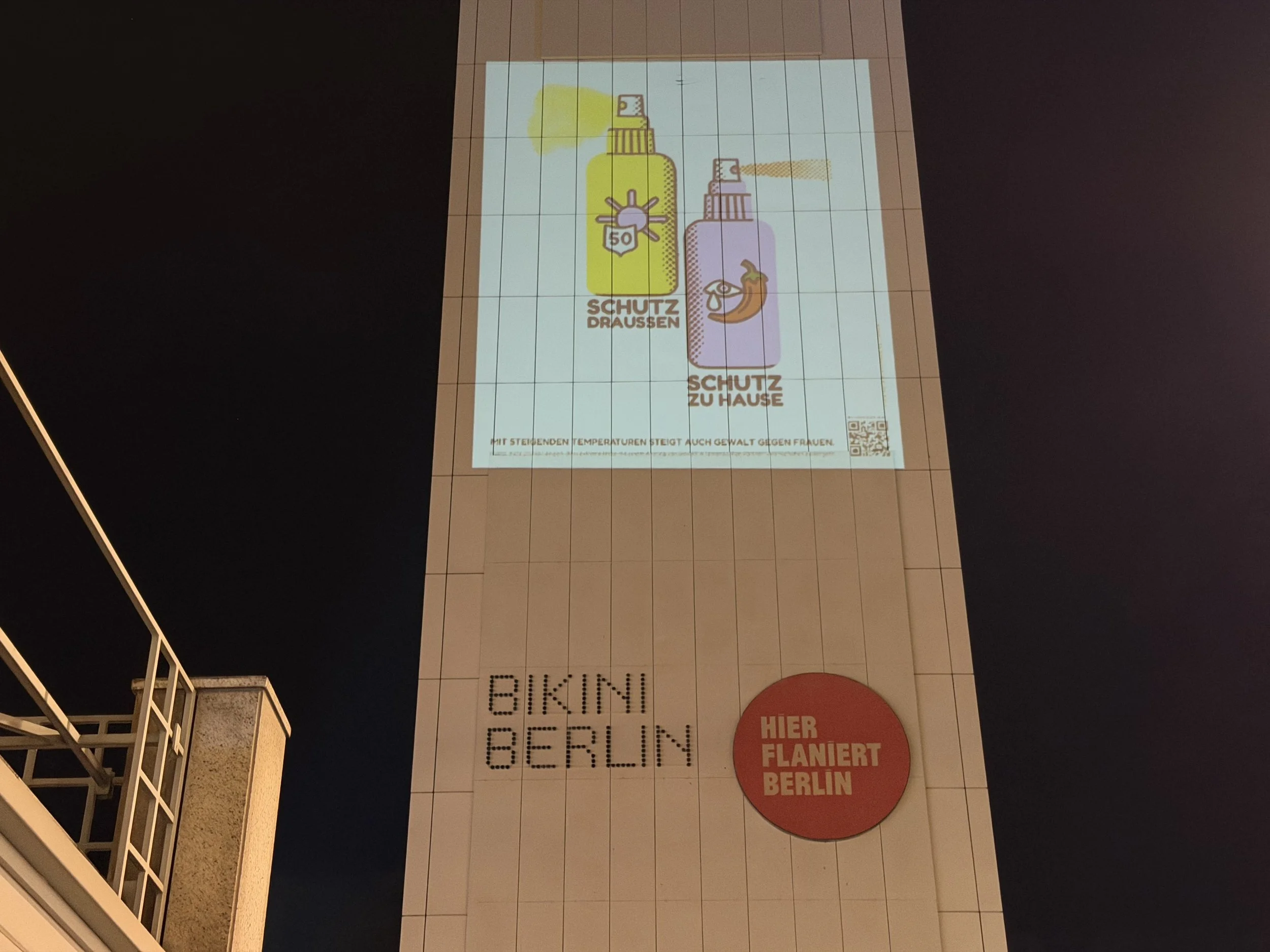
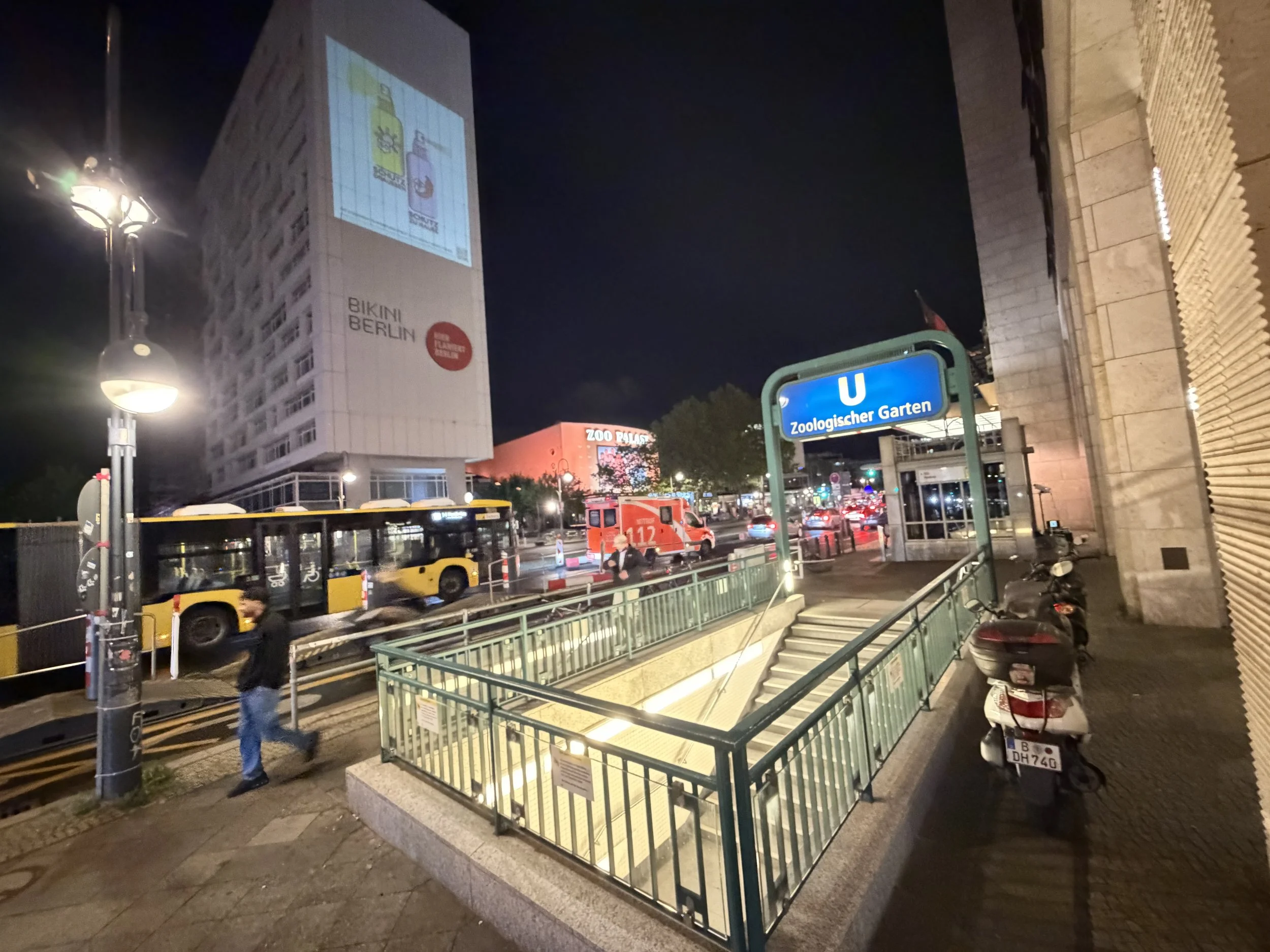
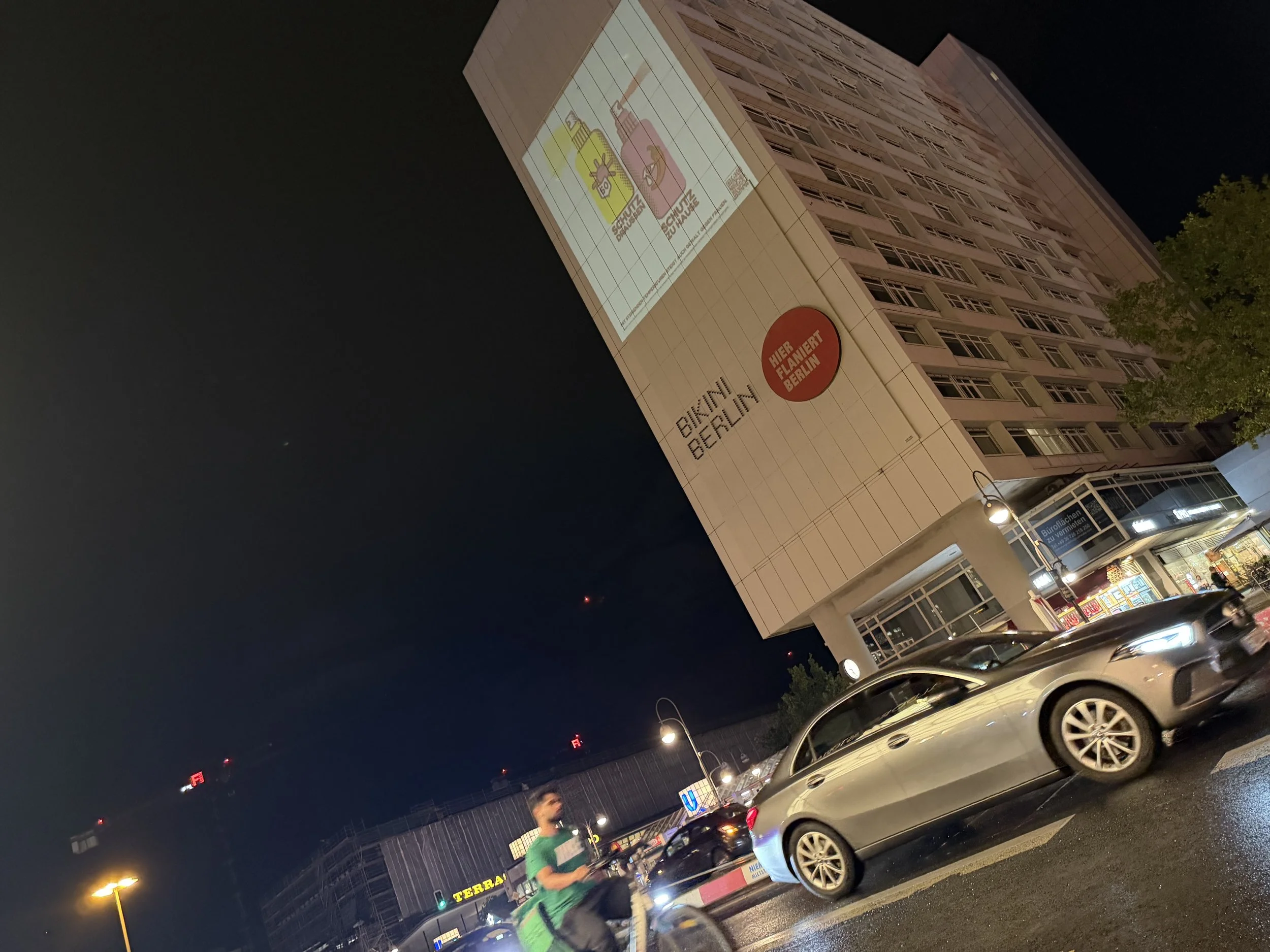
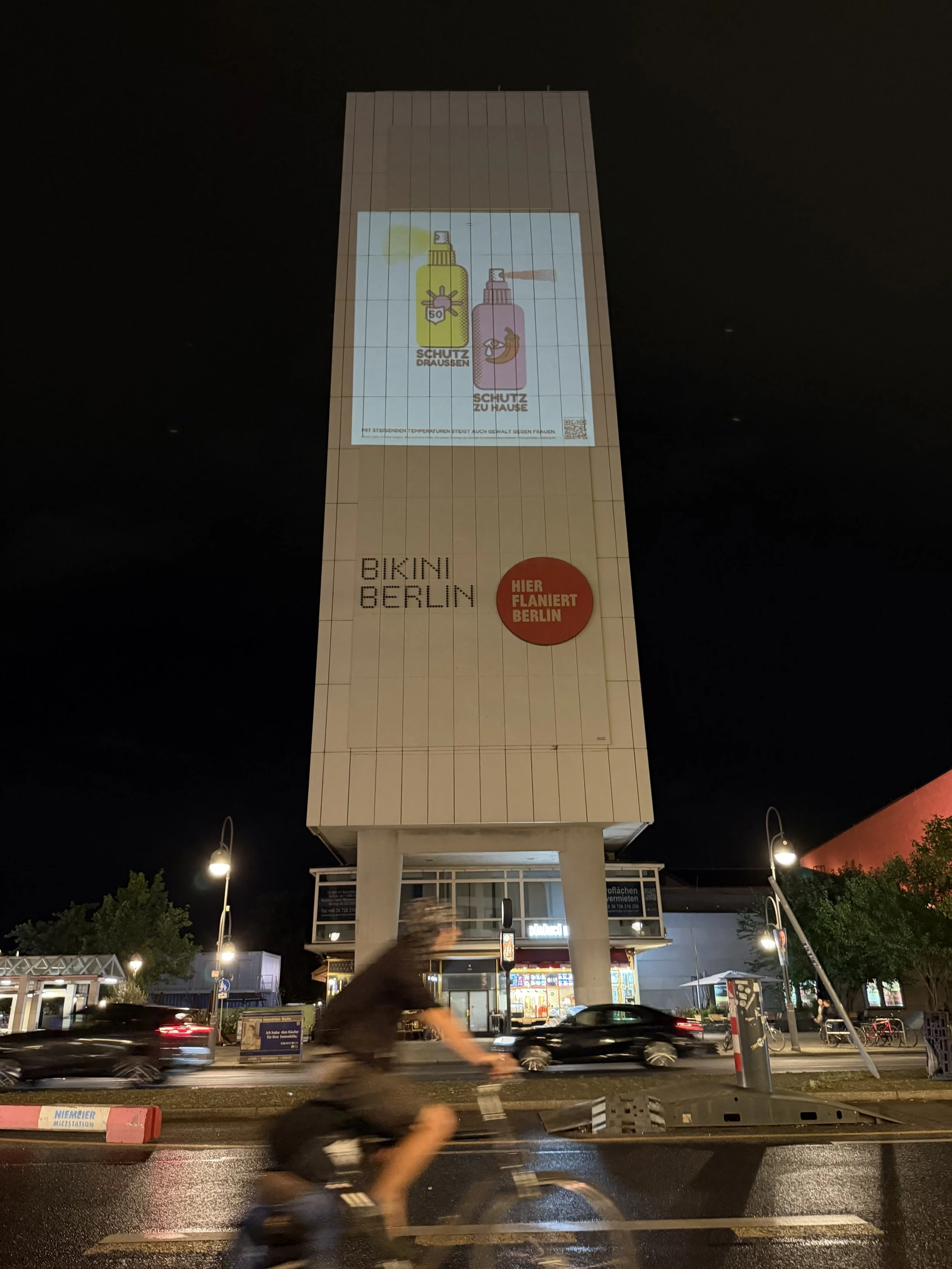
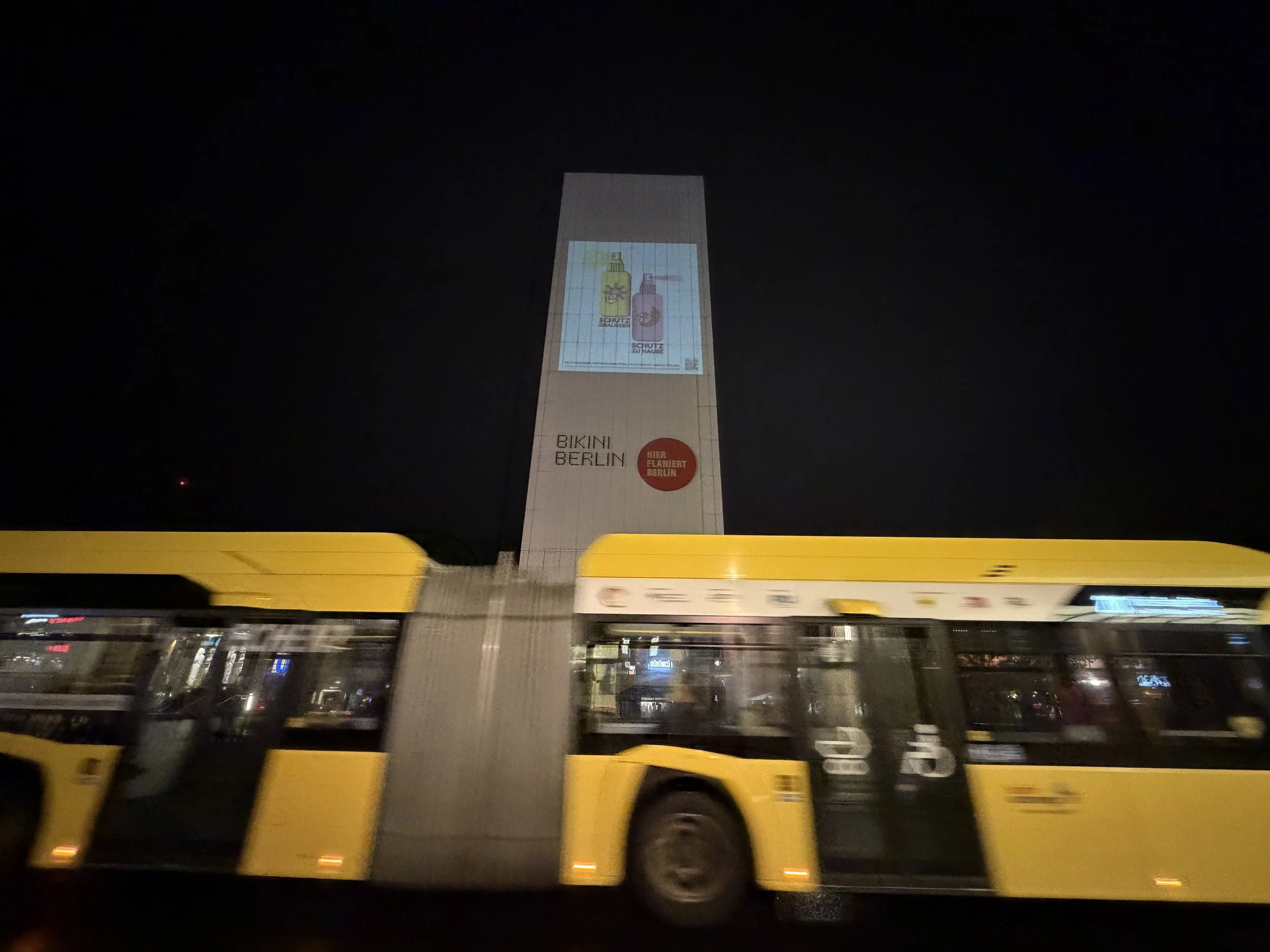
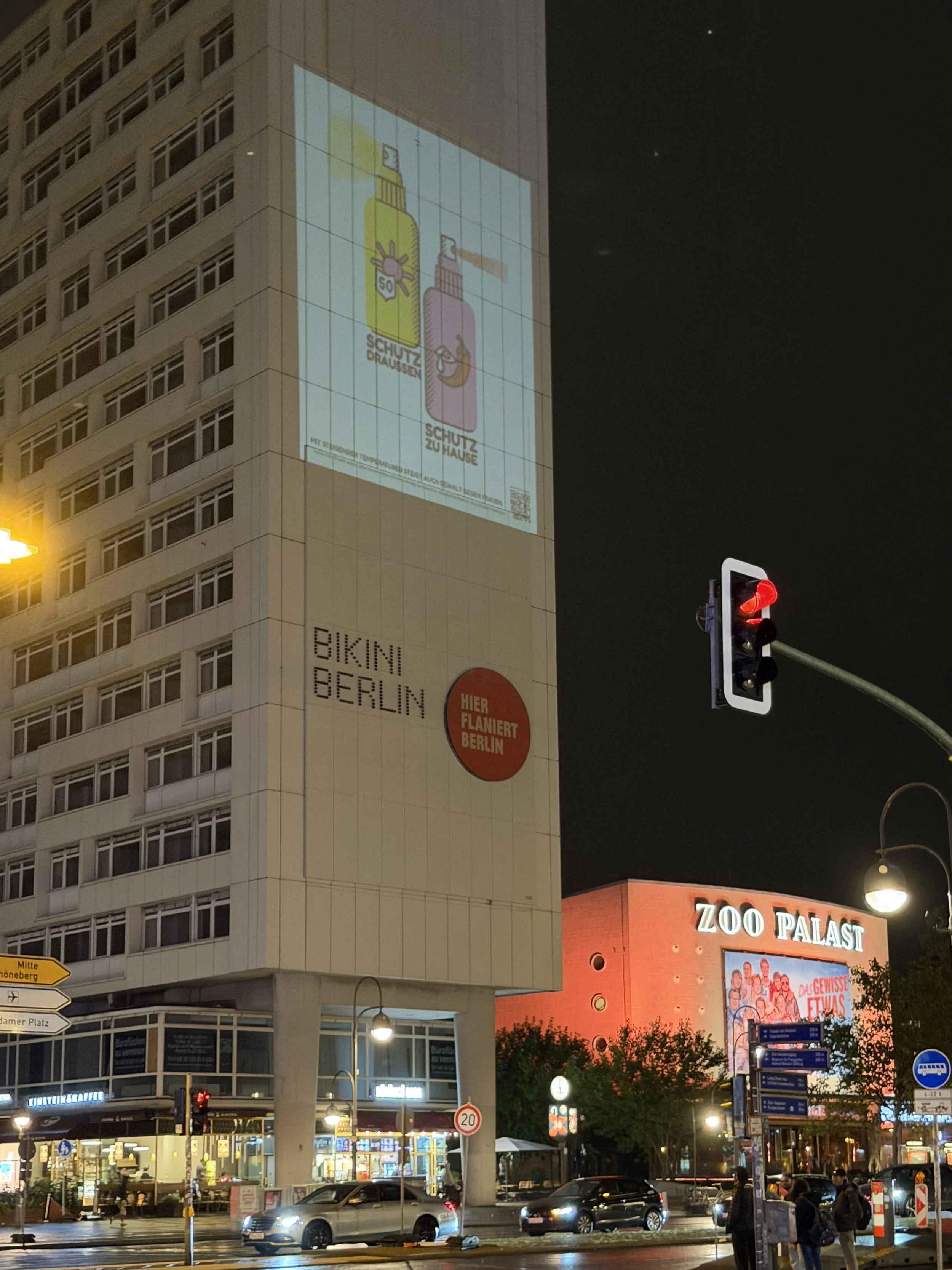
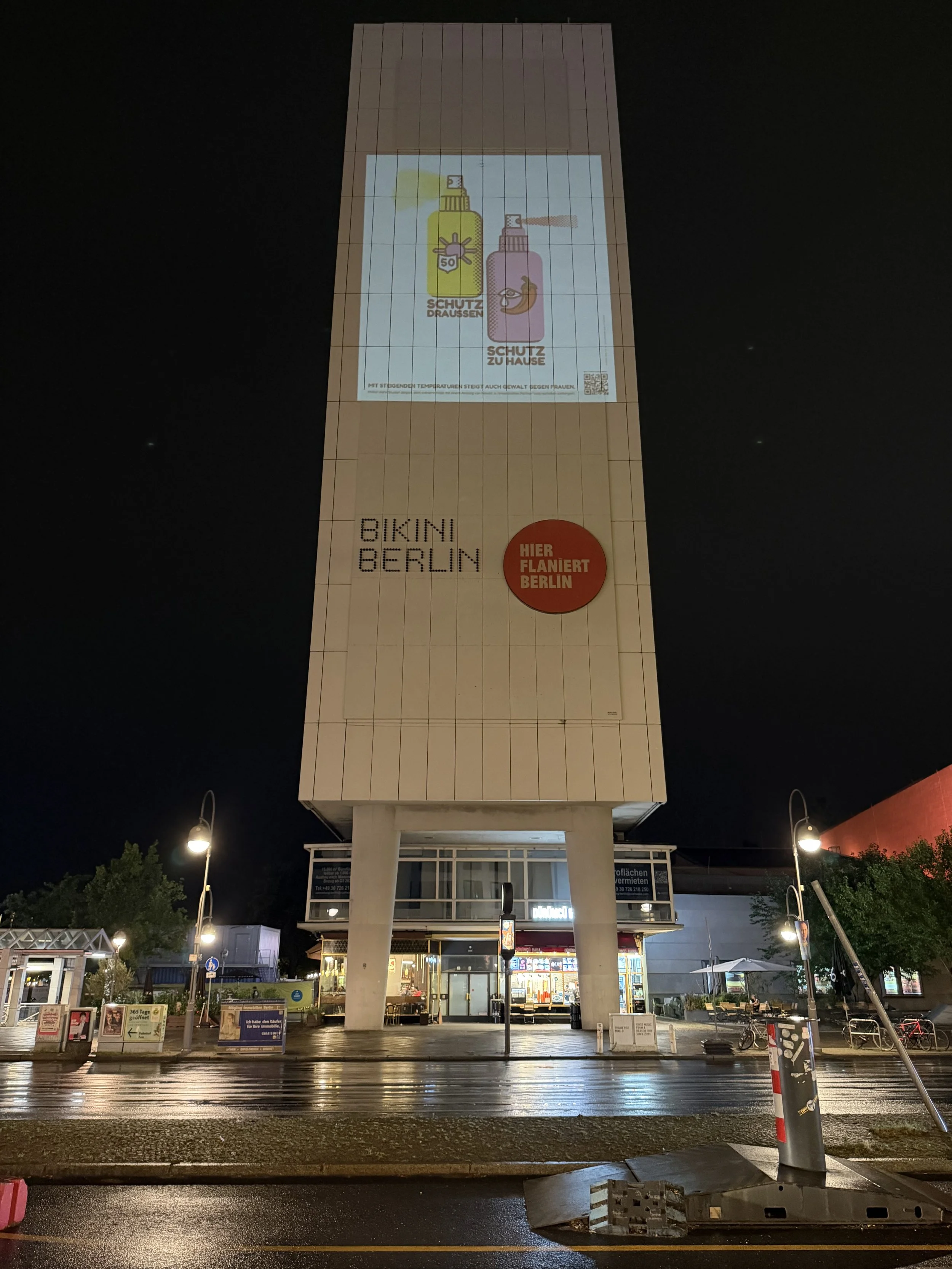
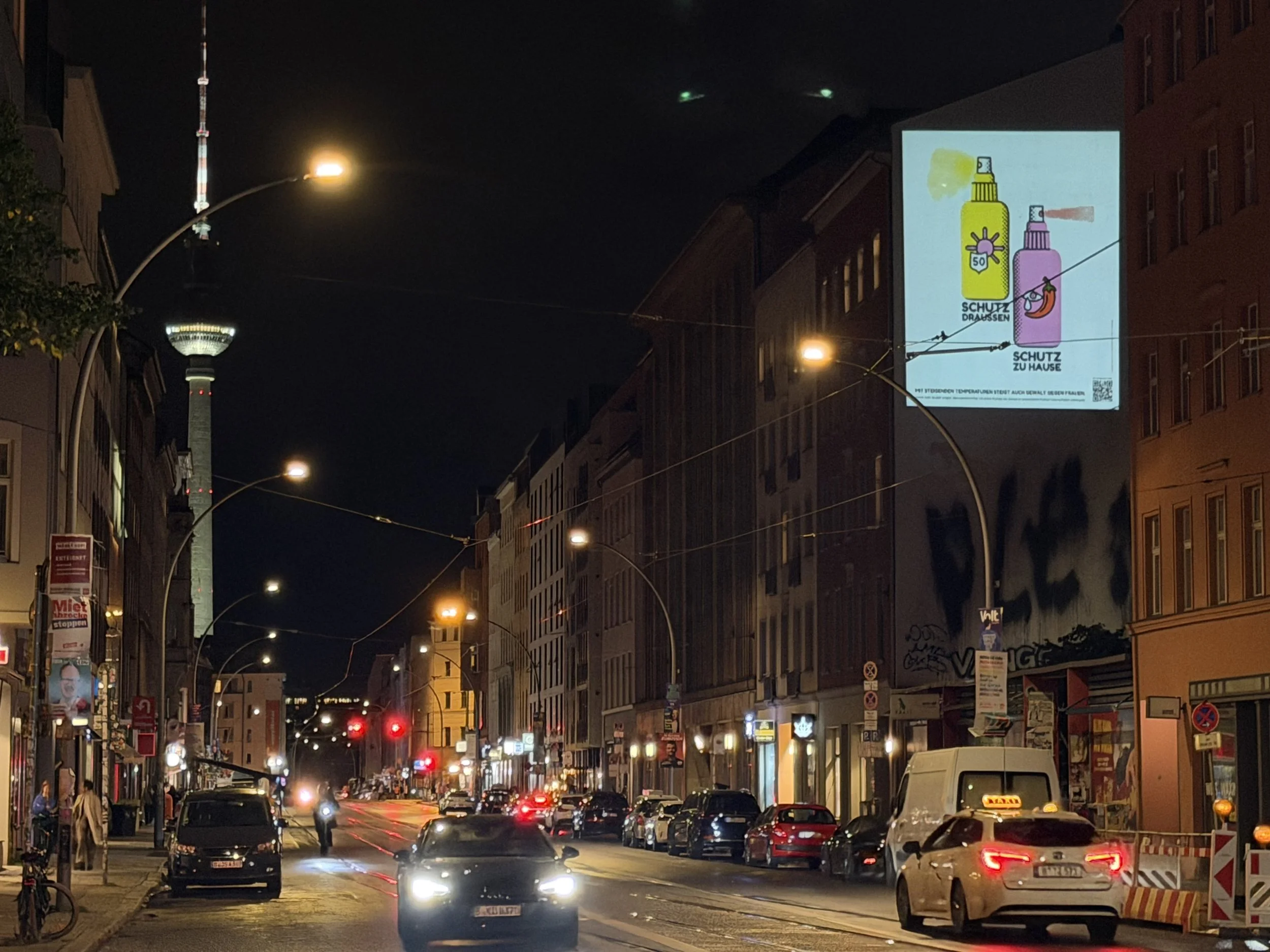
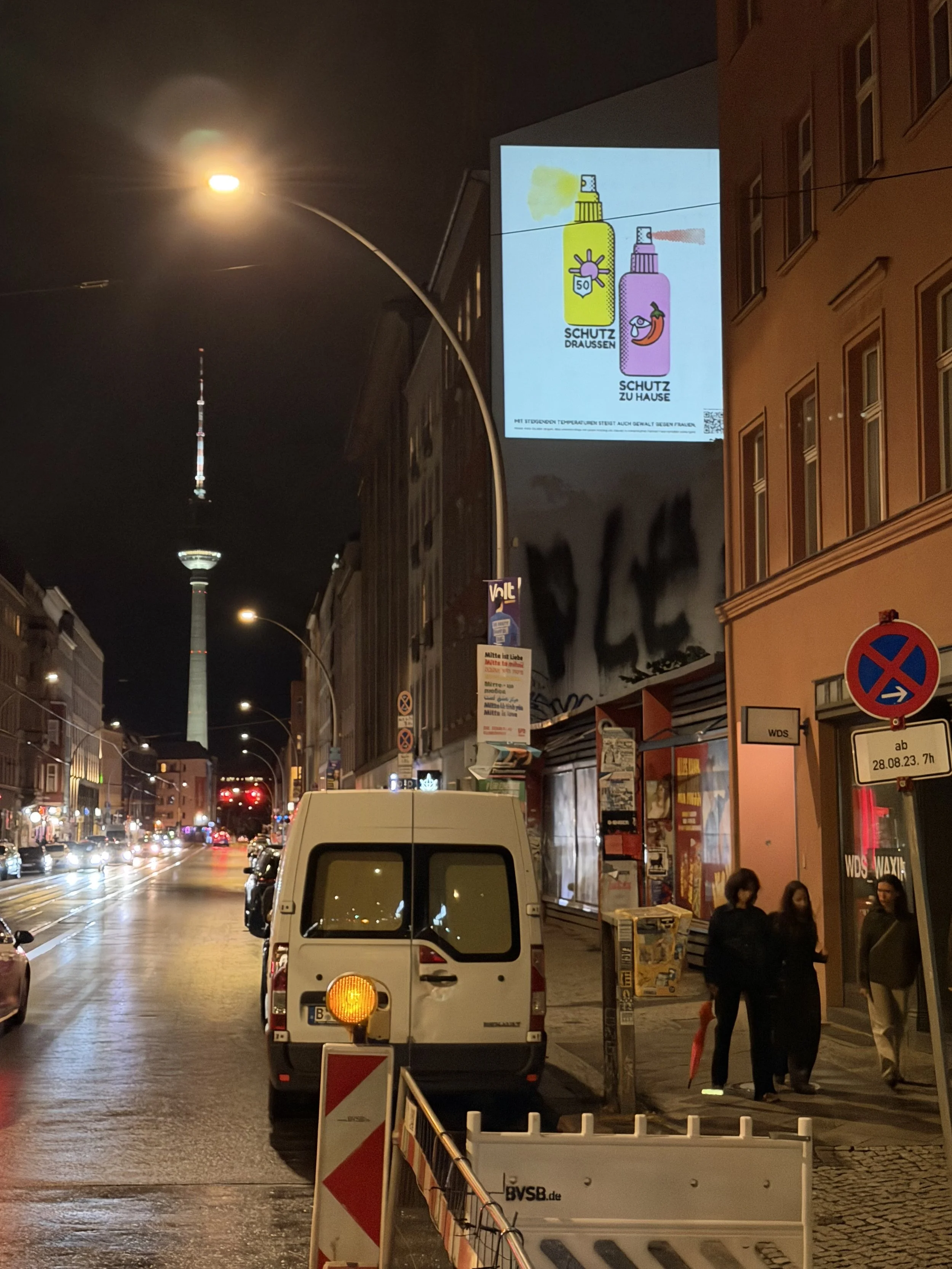
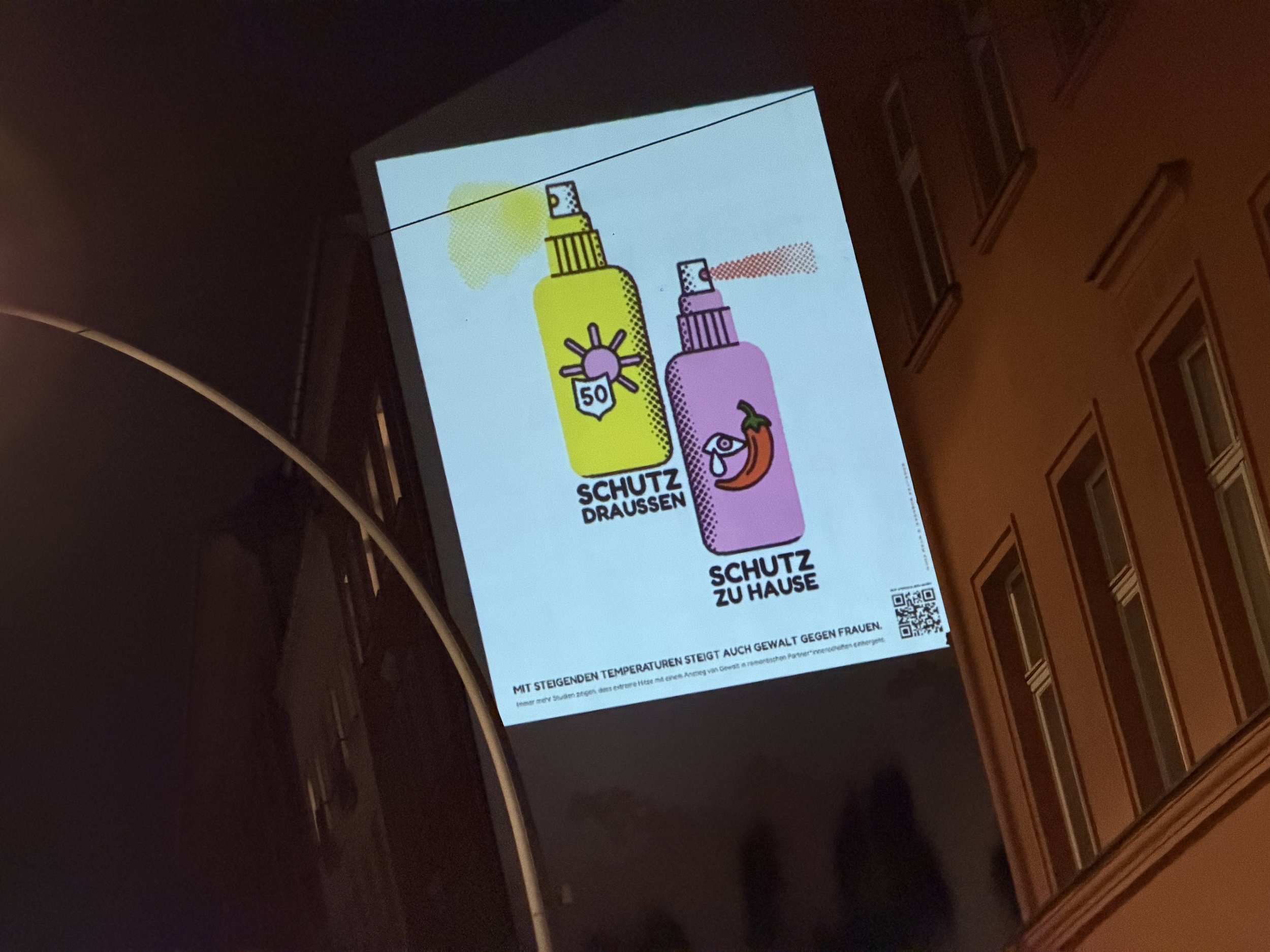
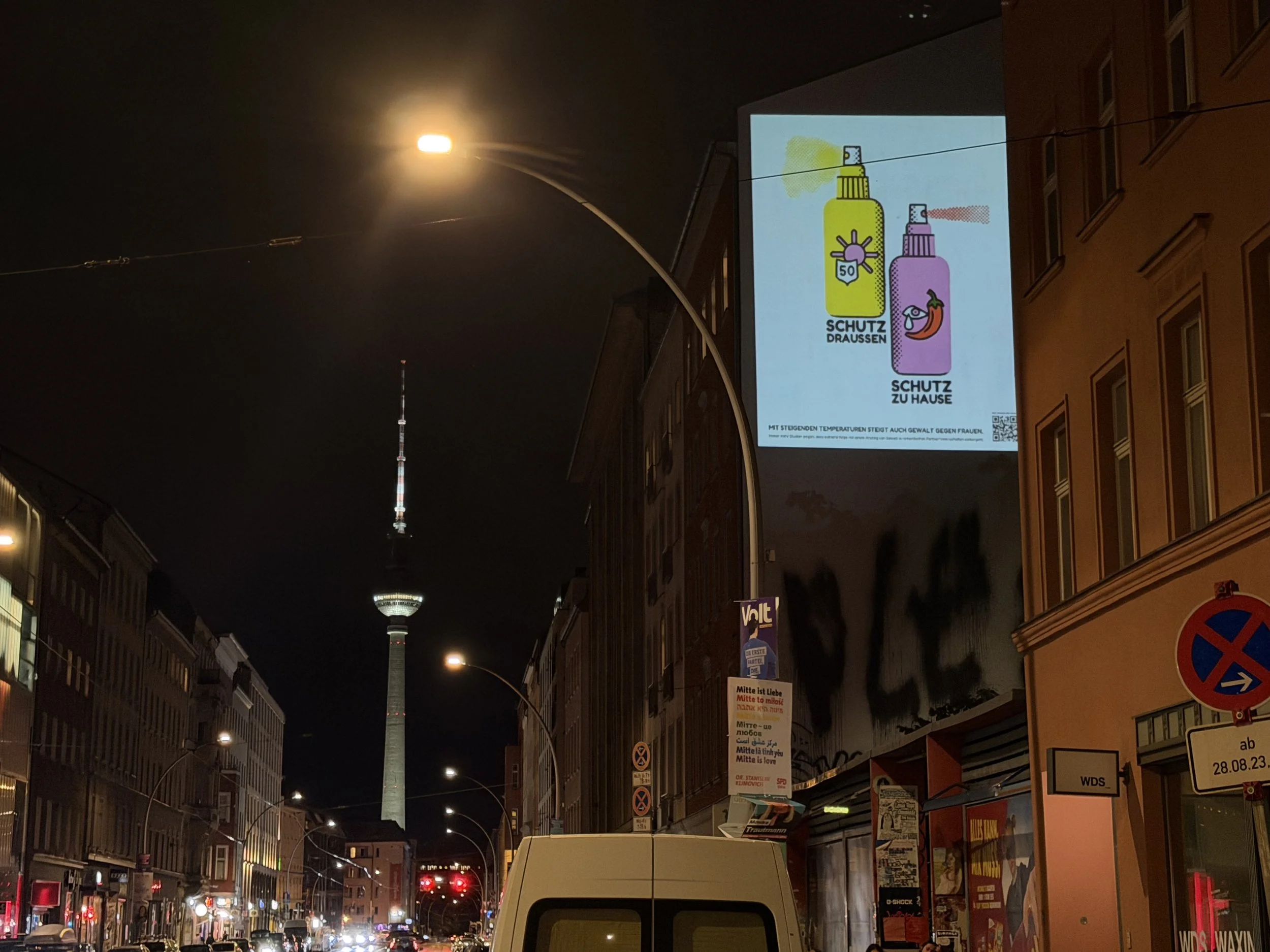
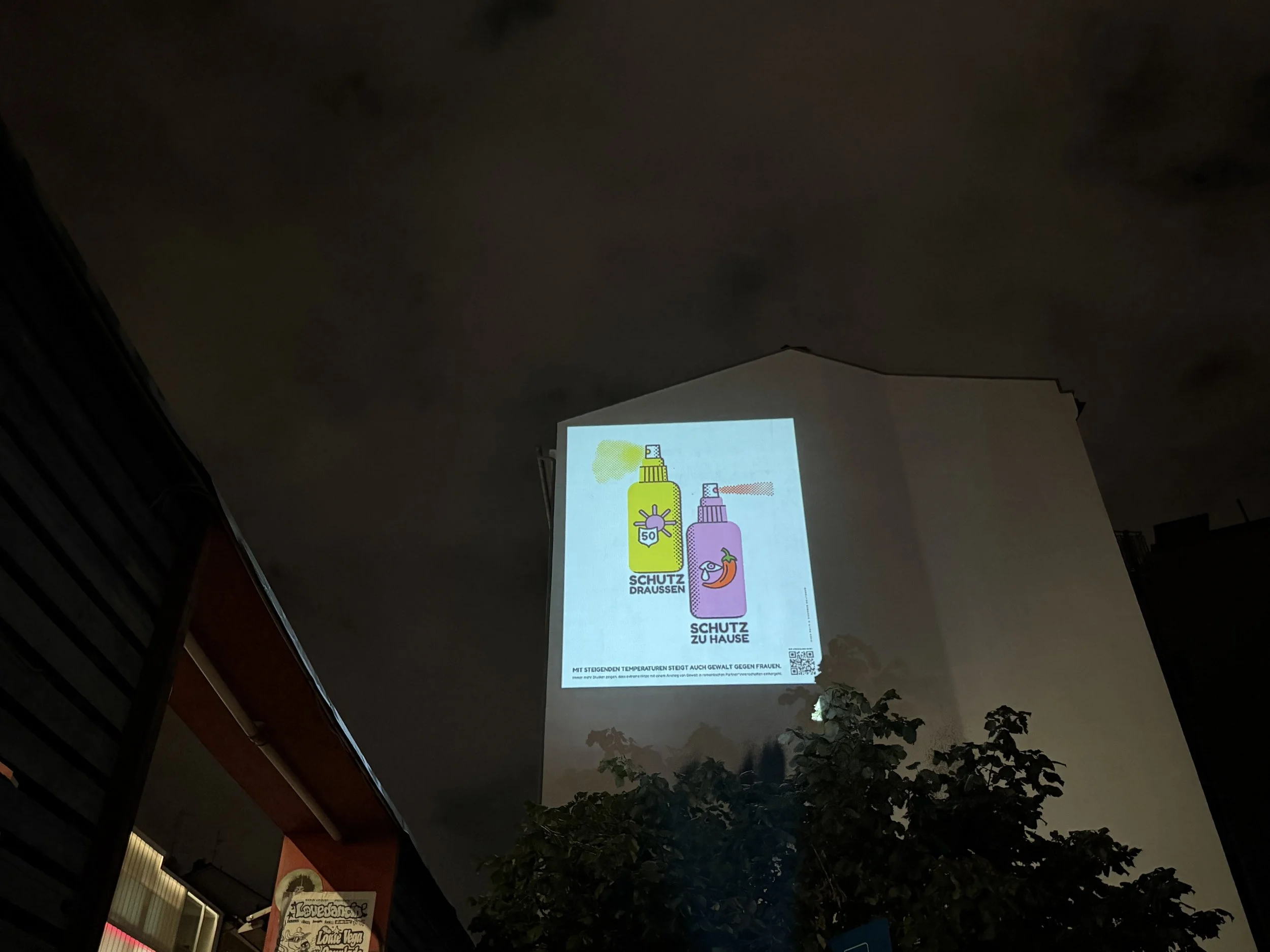
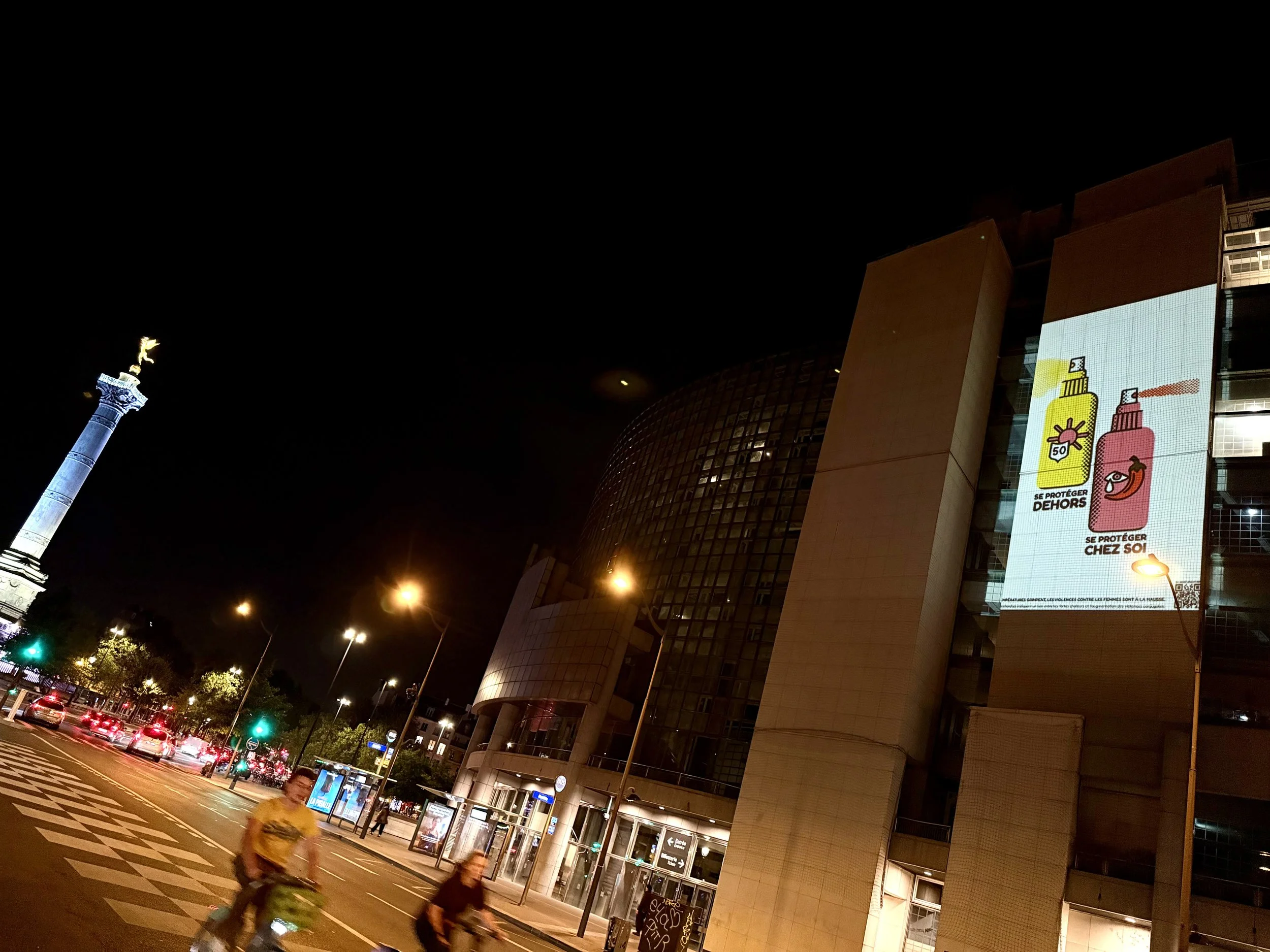
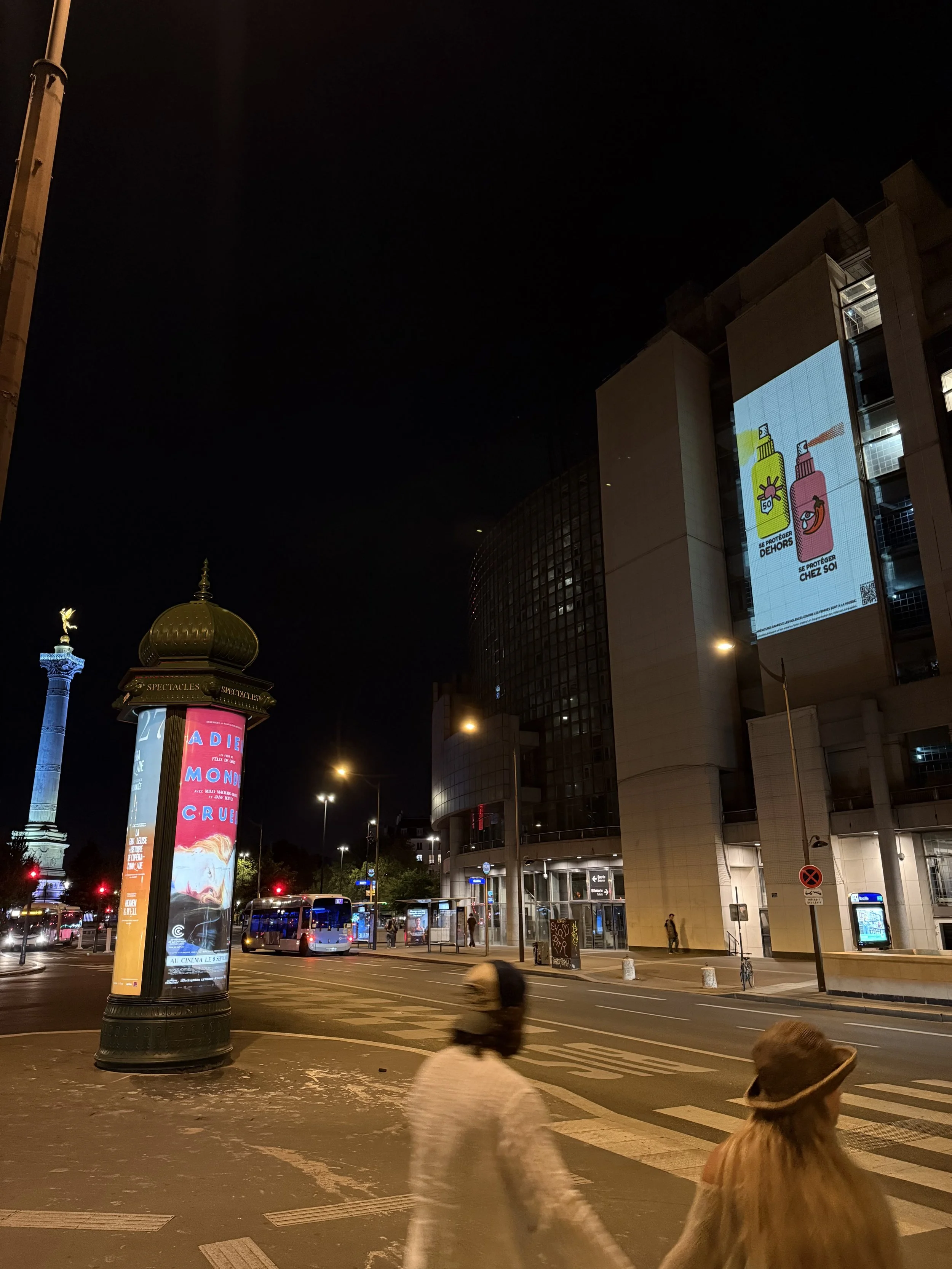
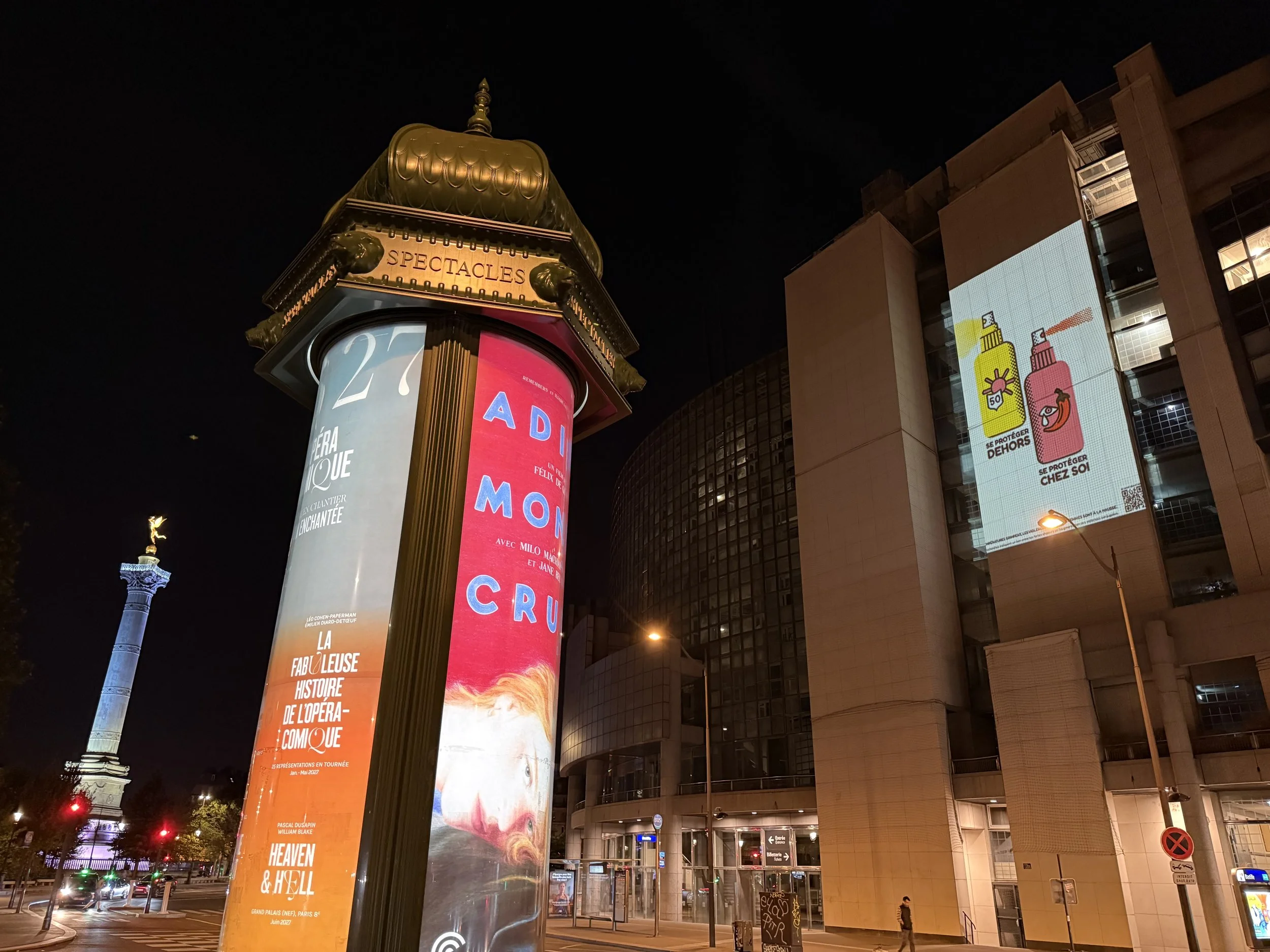
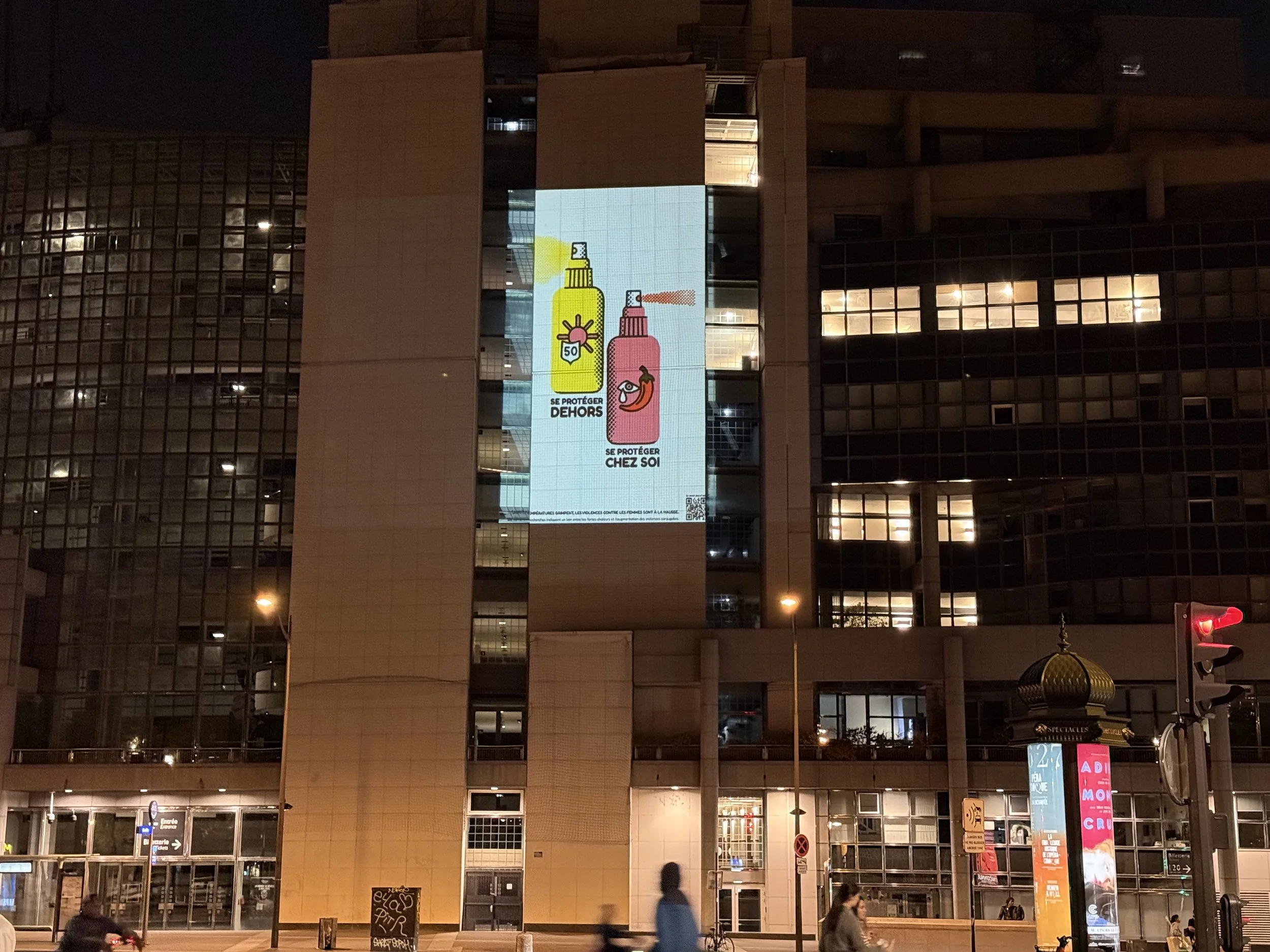
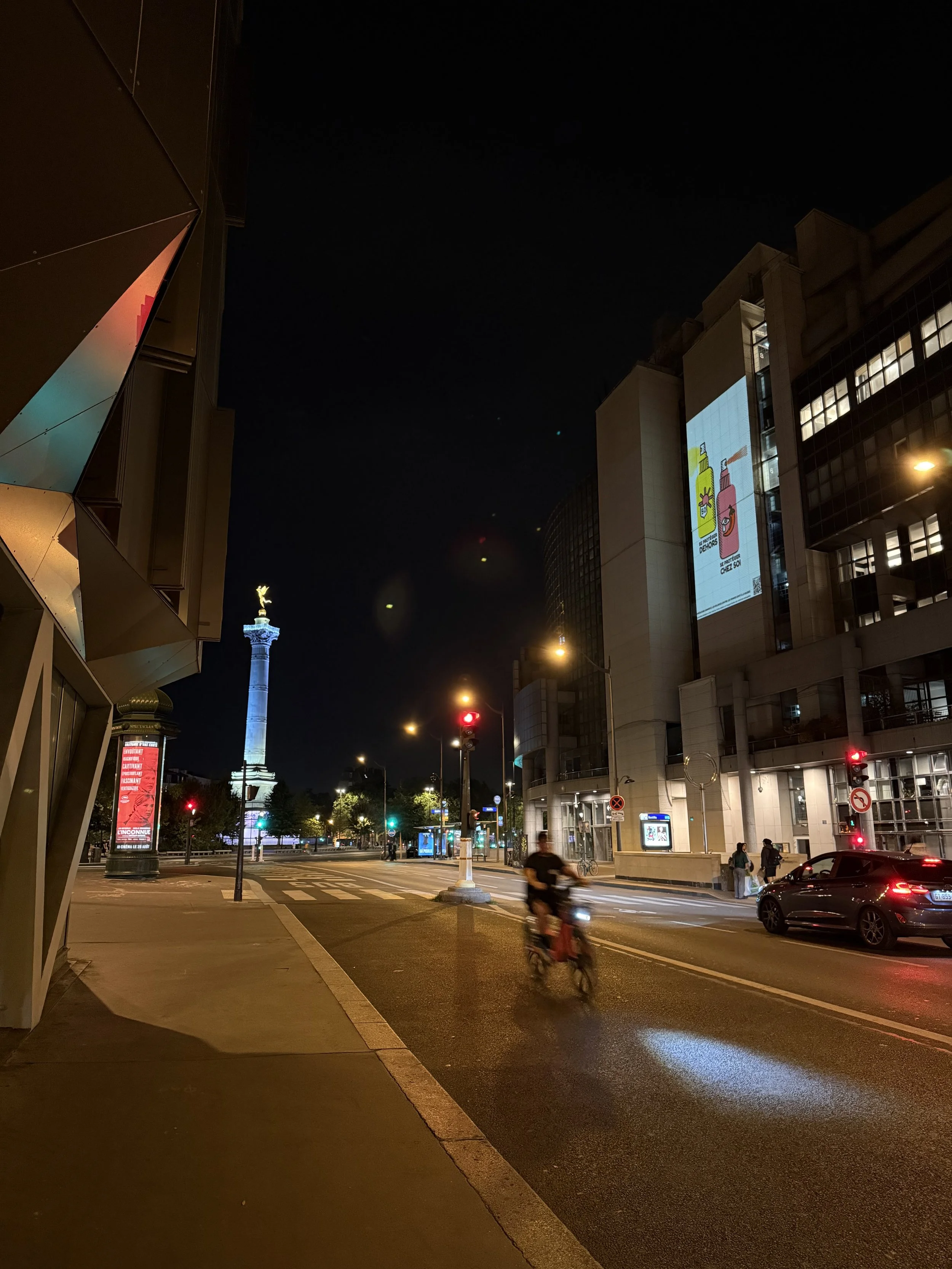
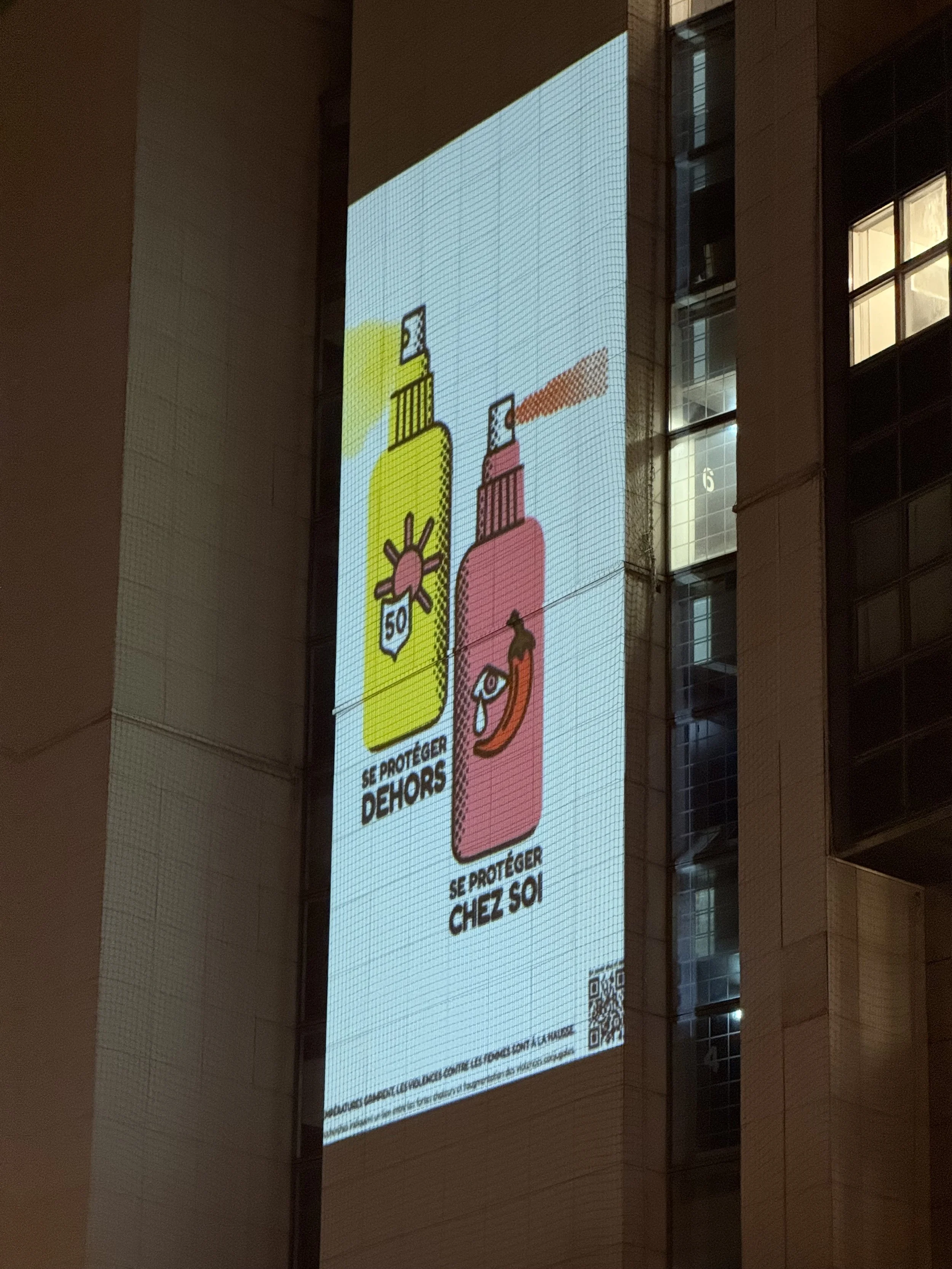
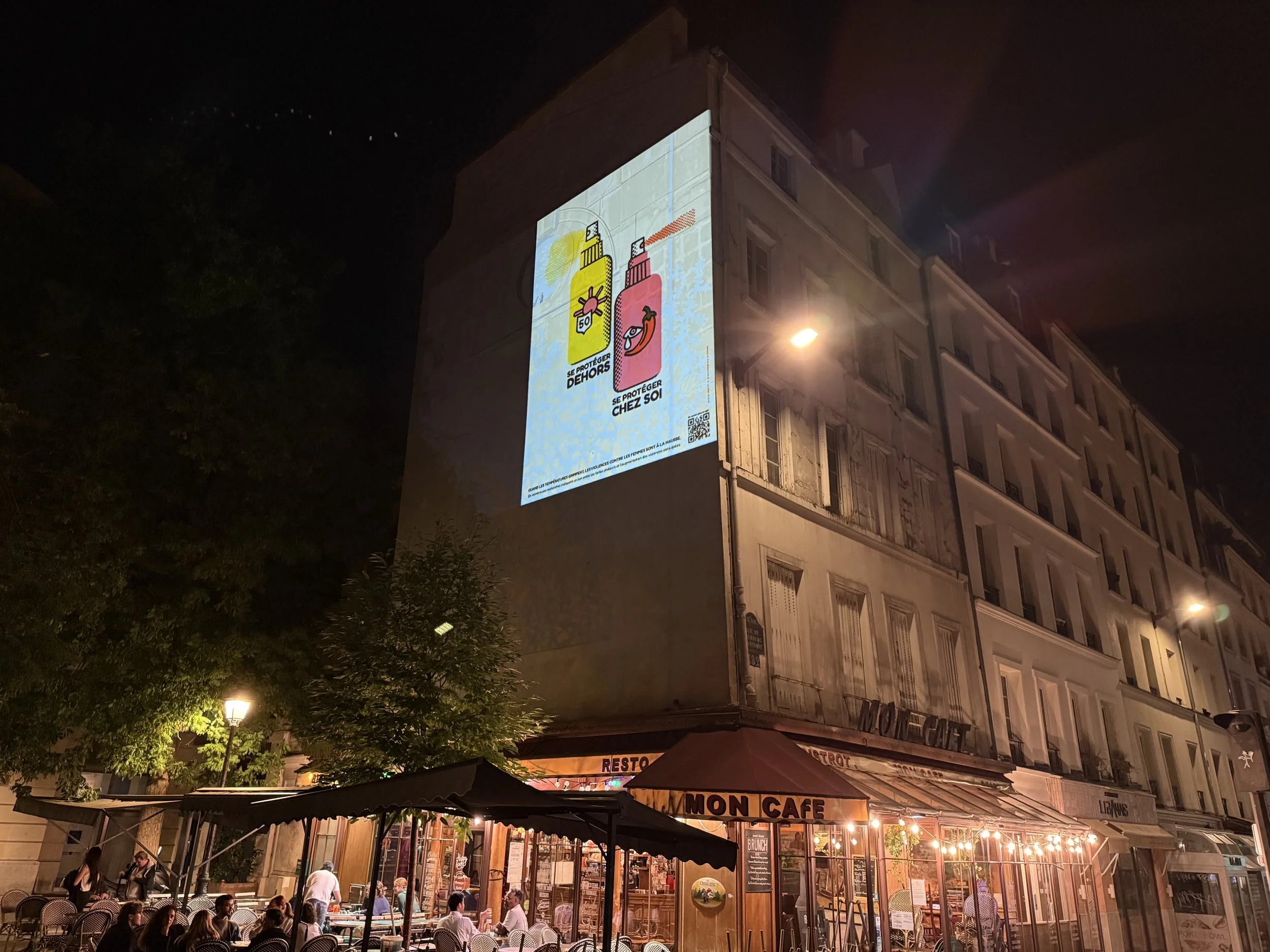
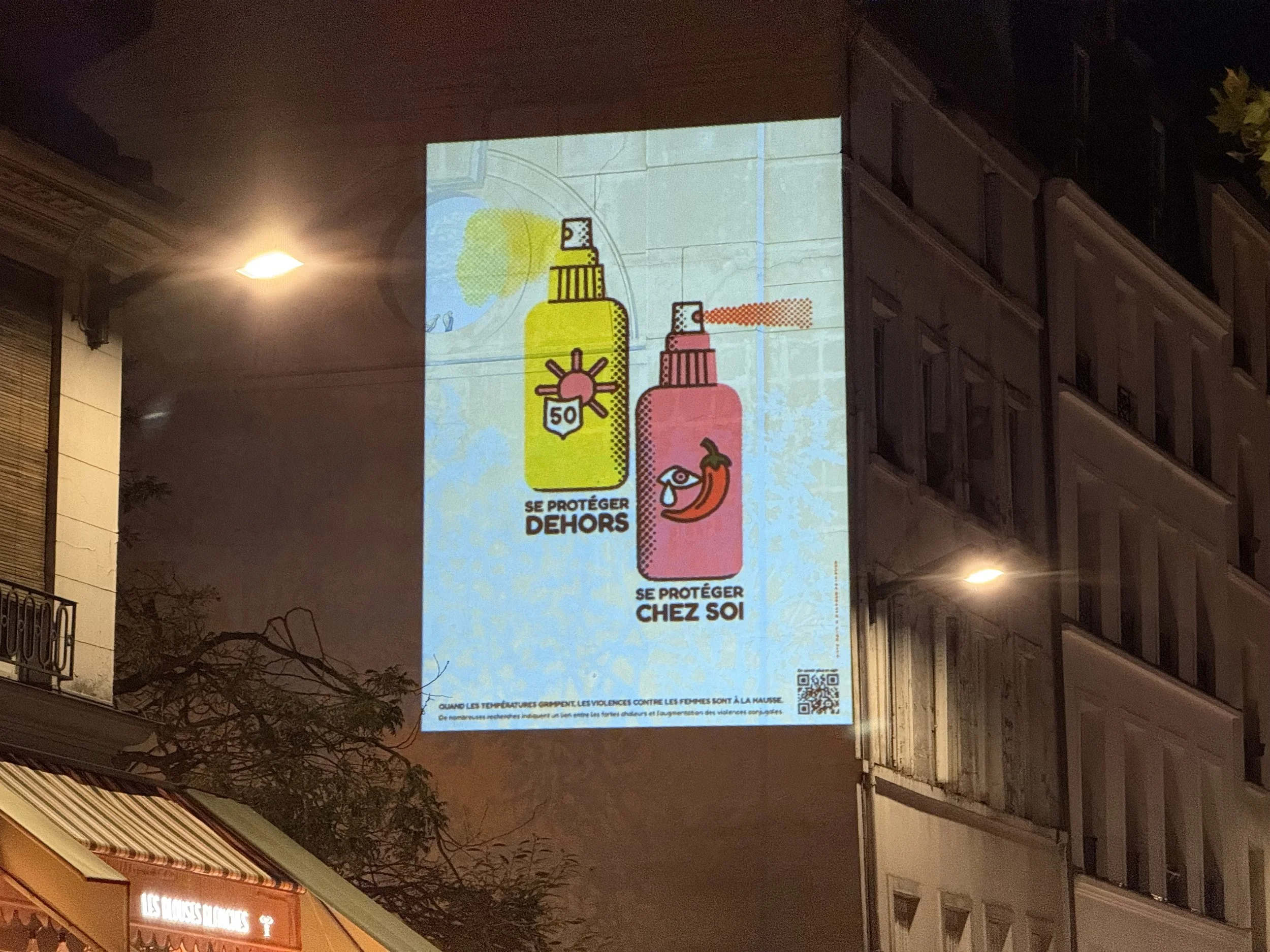
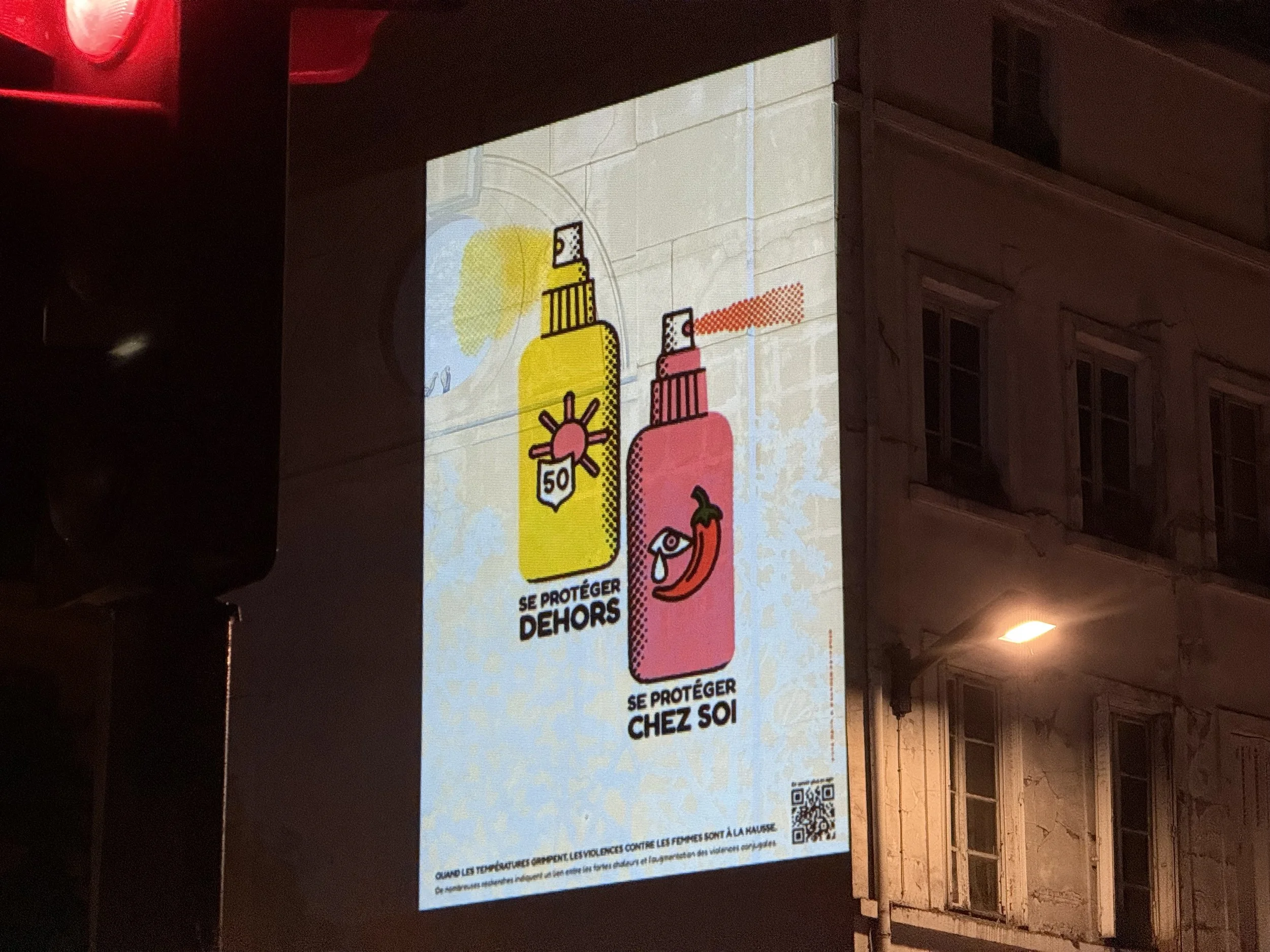
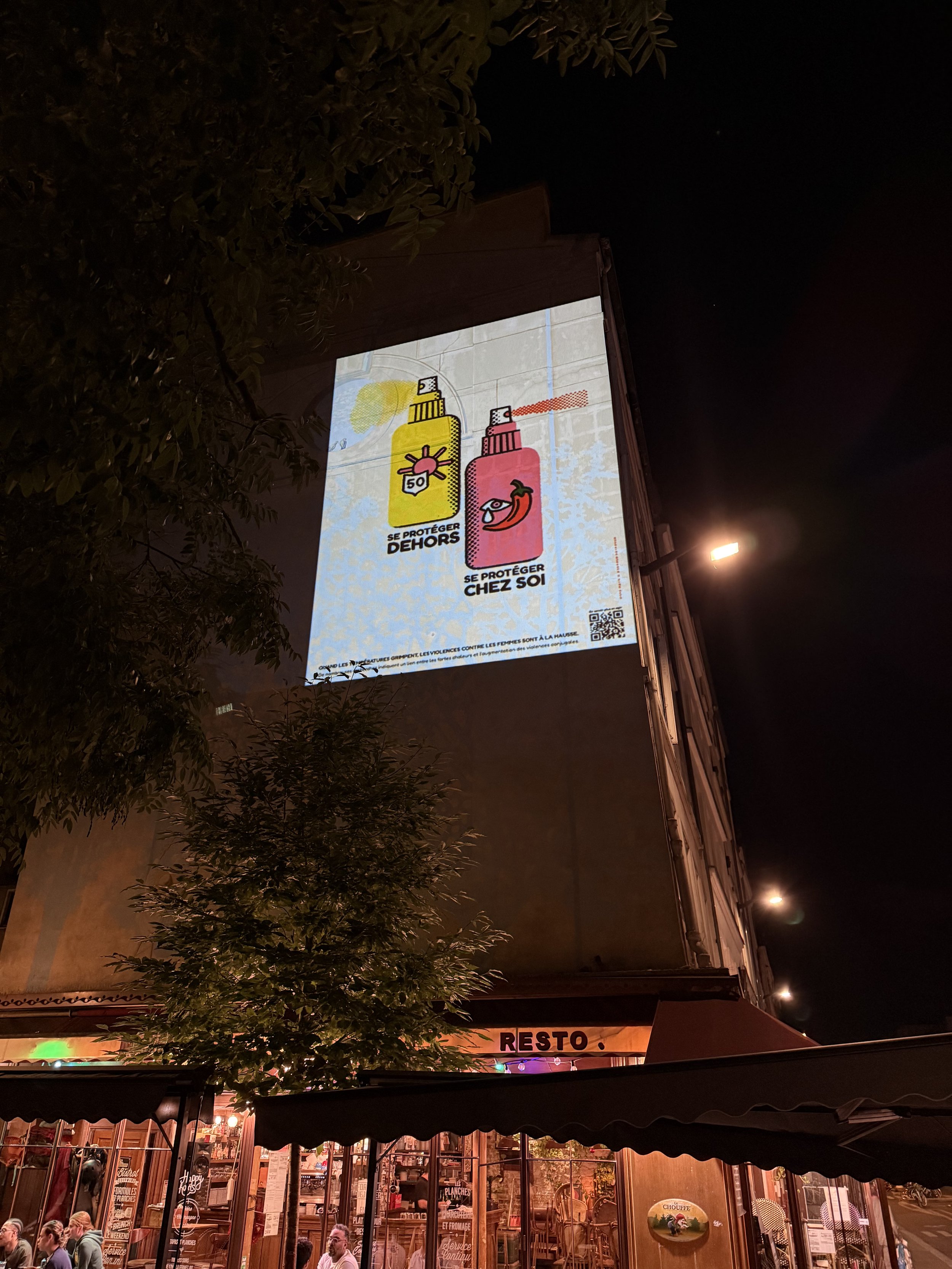

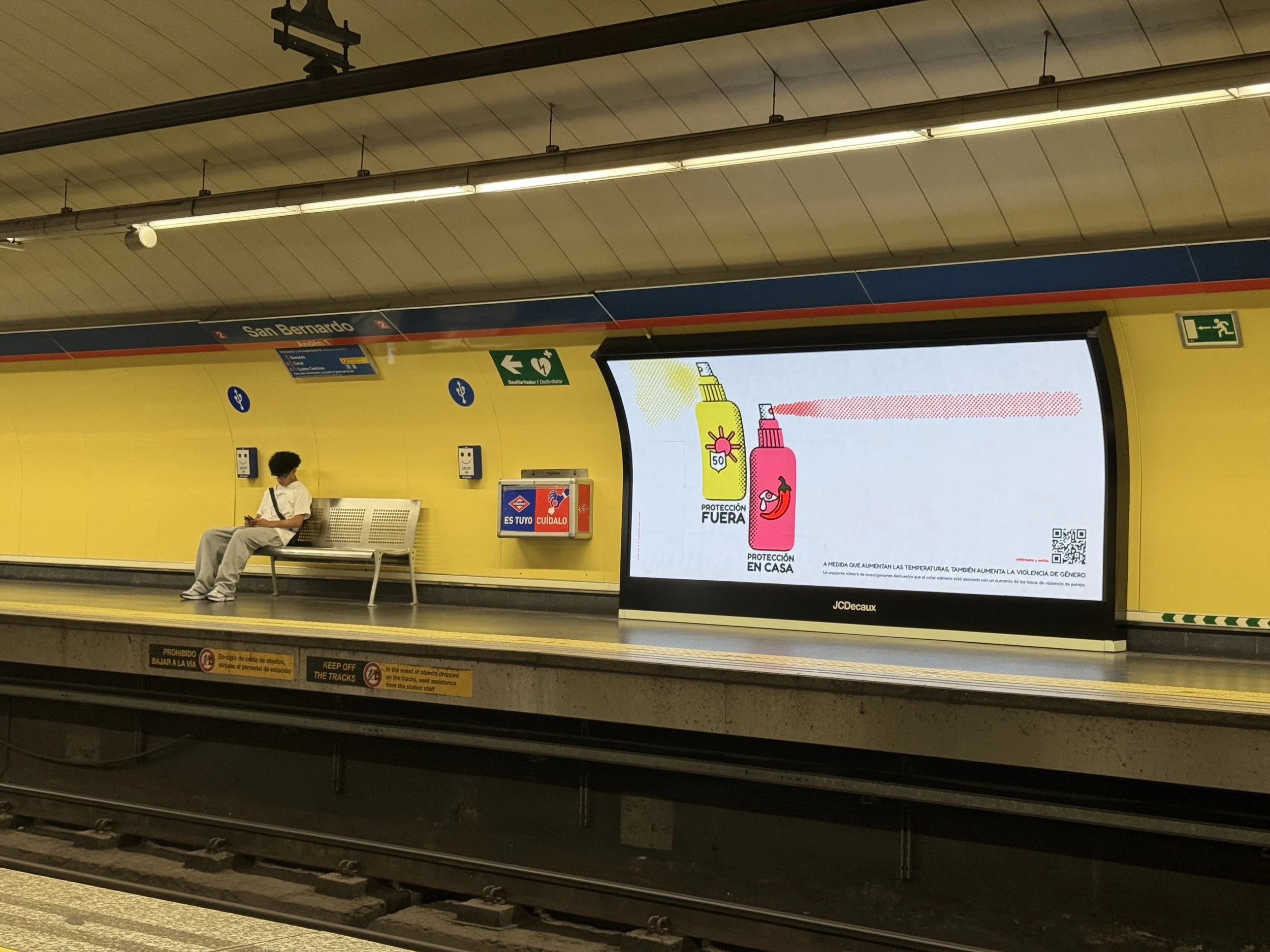
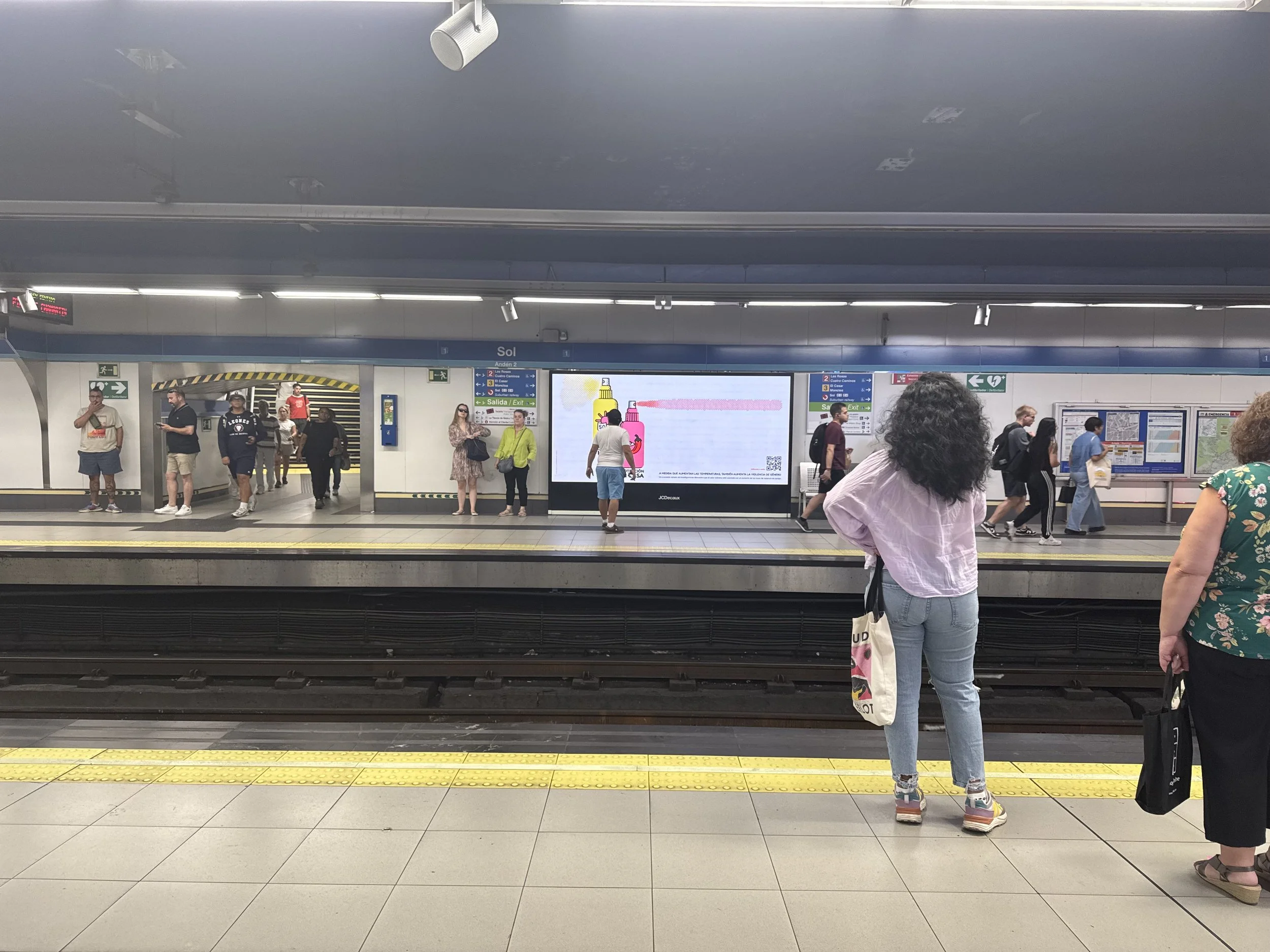
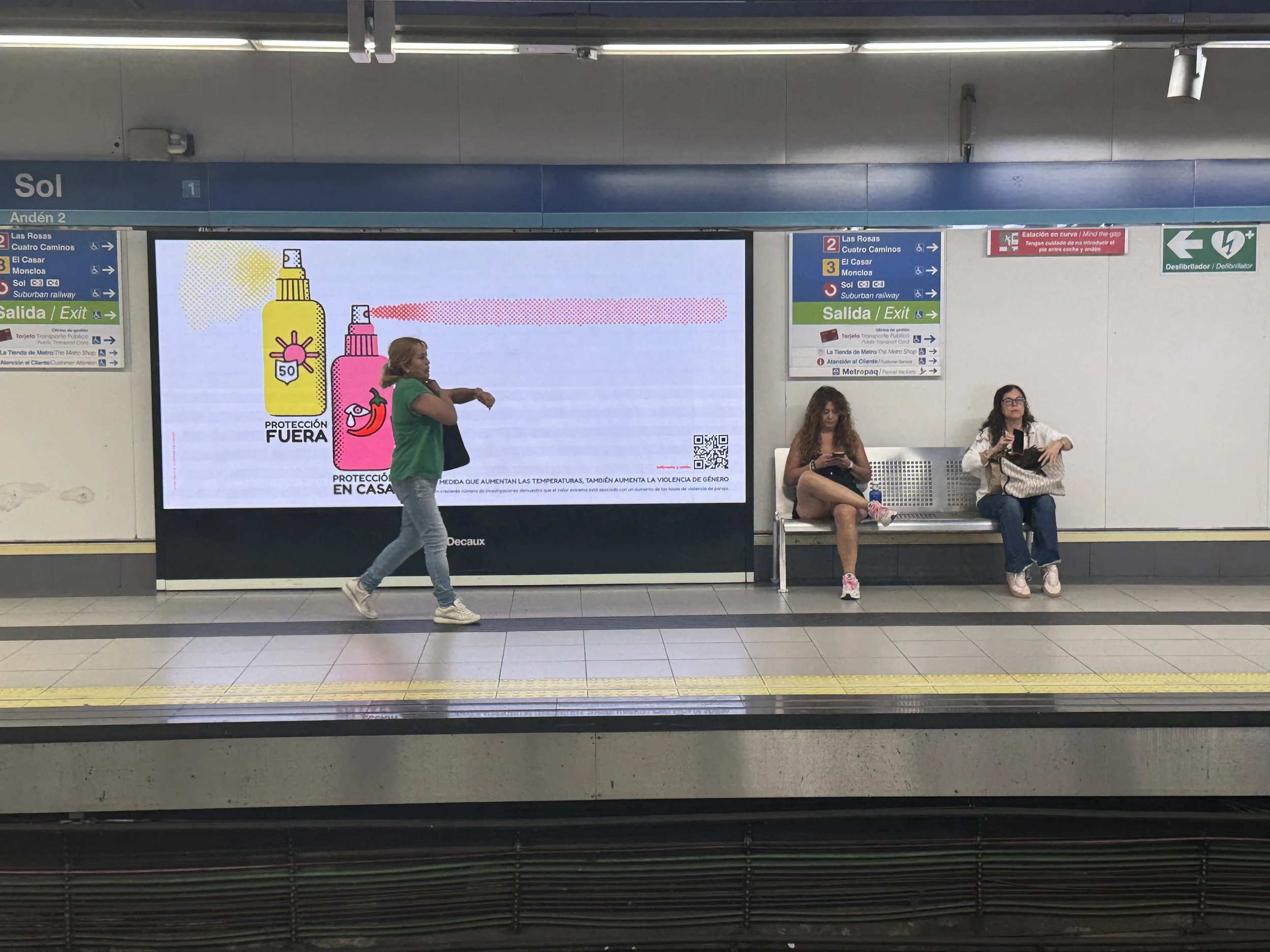
But we don’t want this message to live only on billboards. And we need your help.
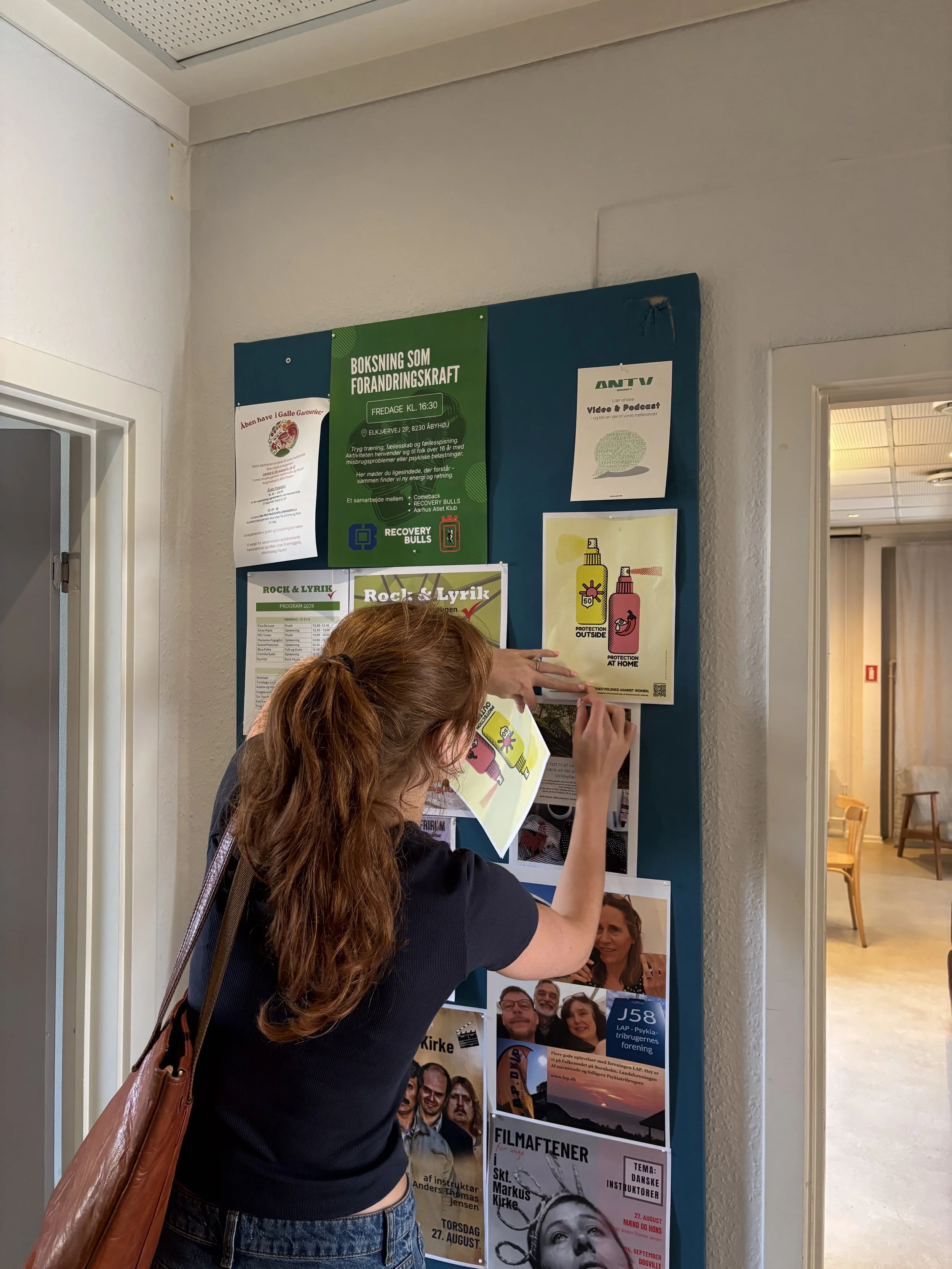
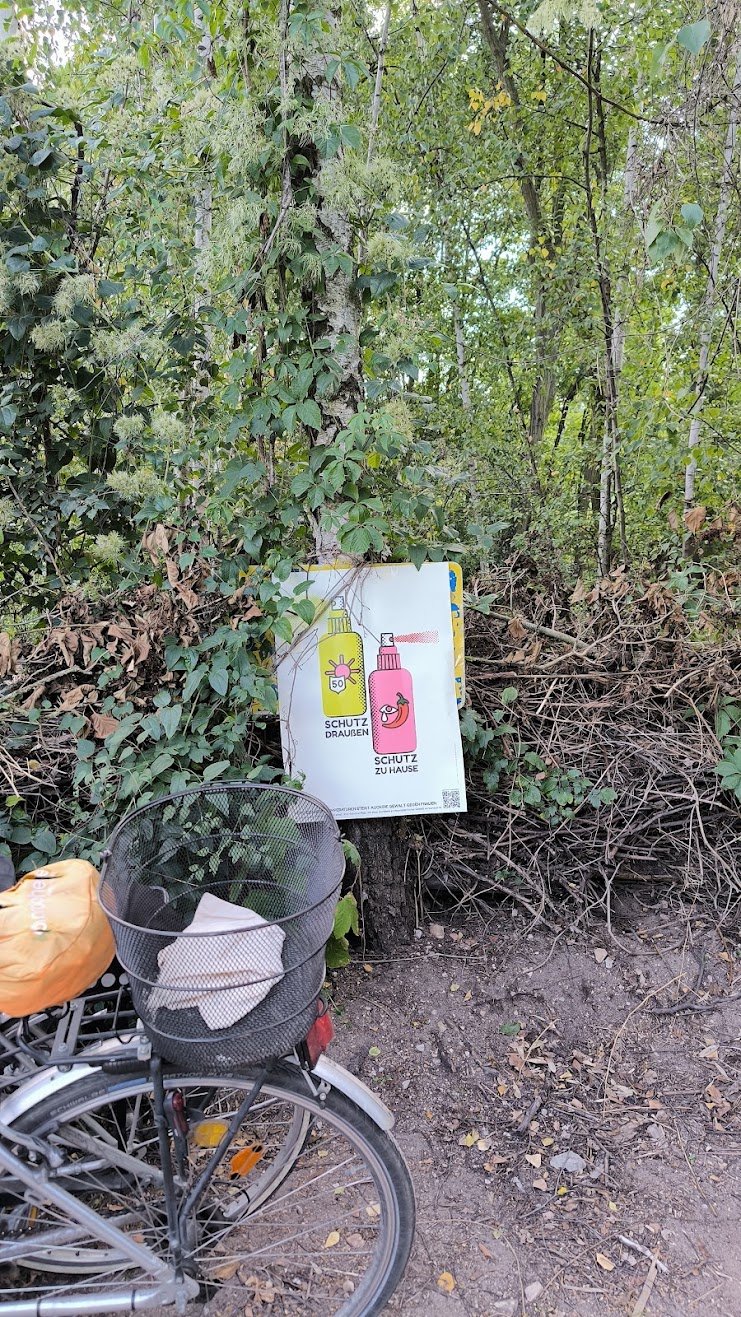
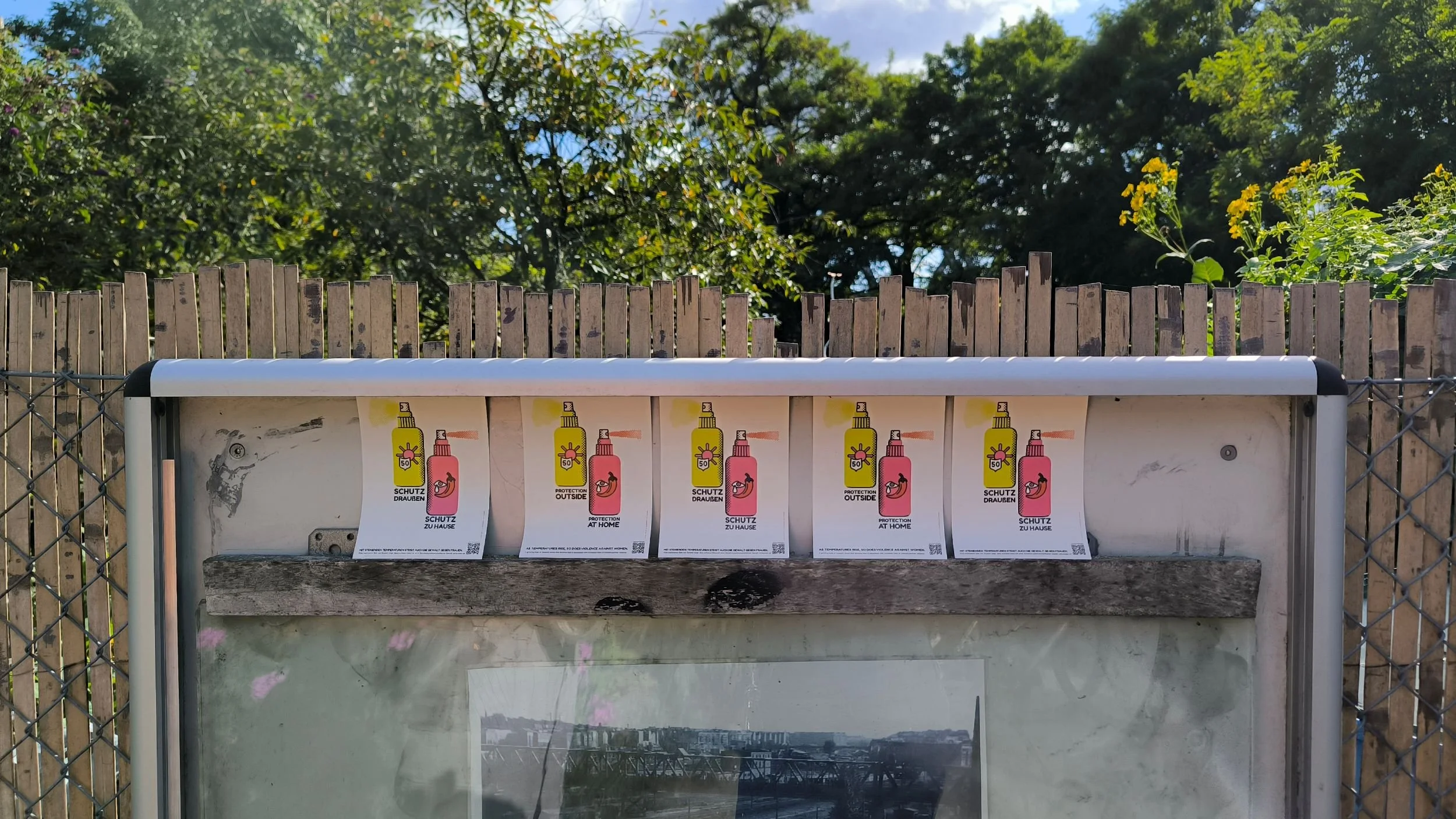
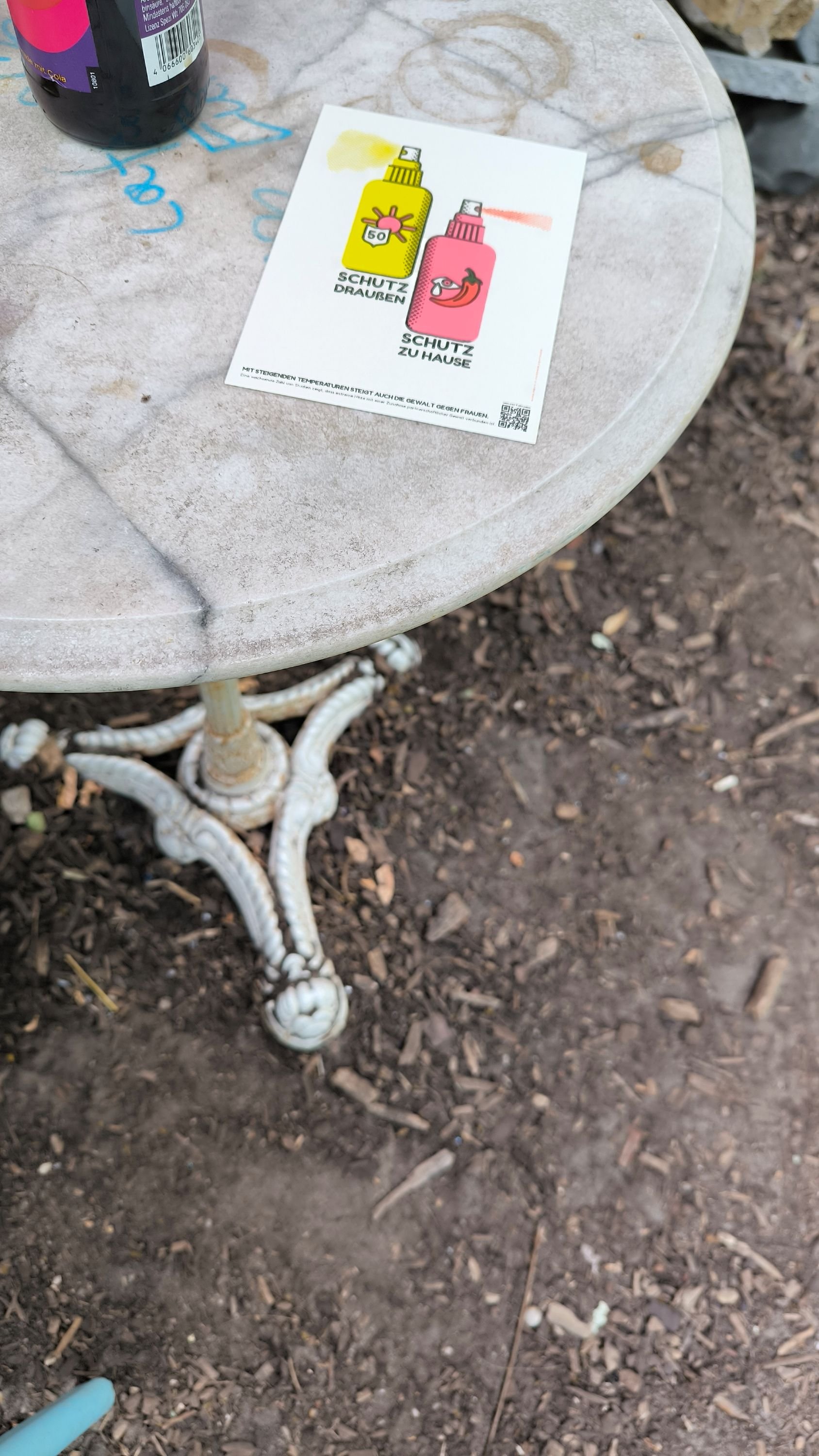
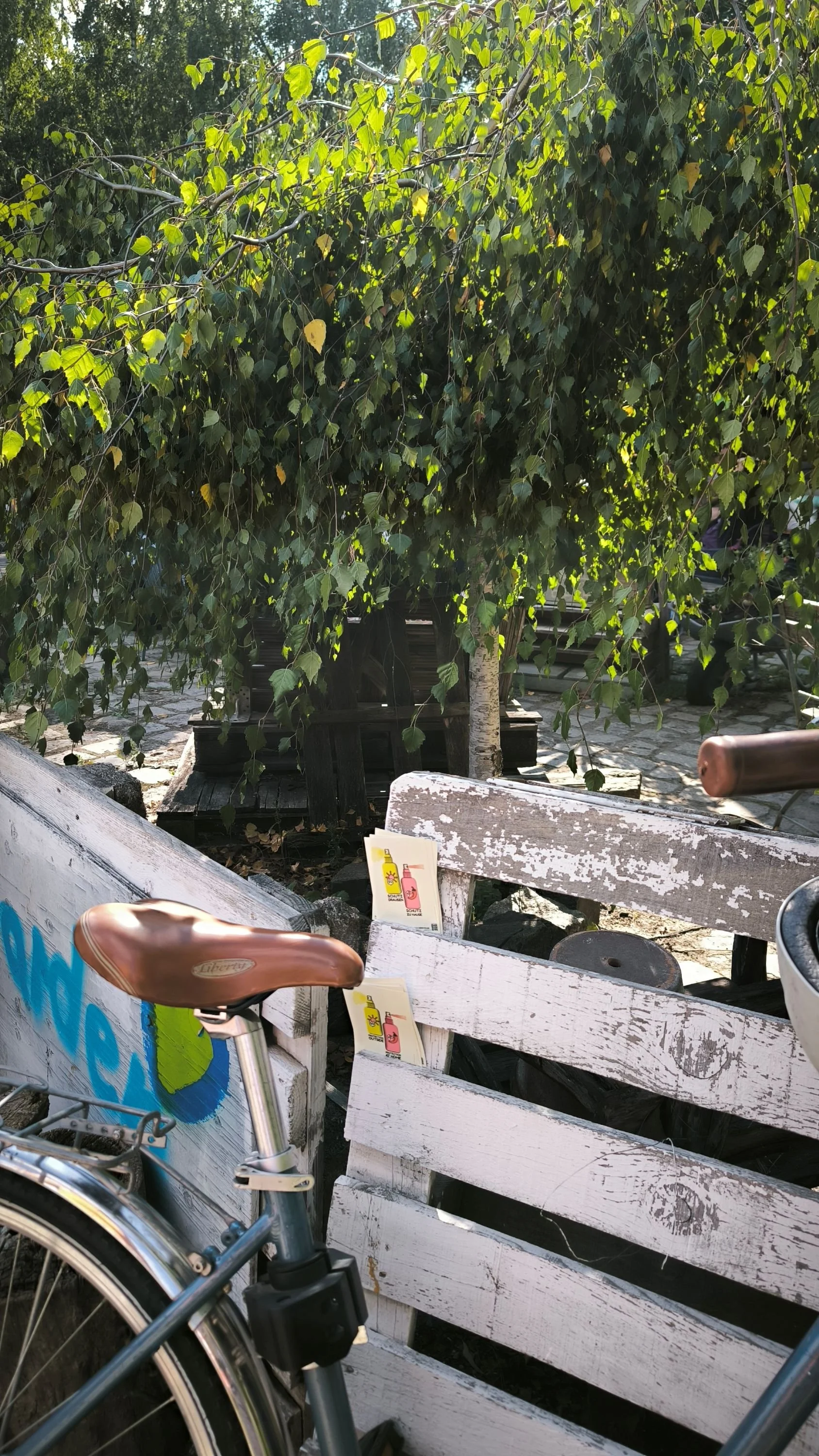
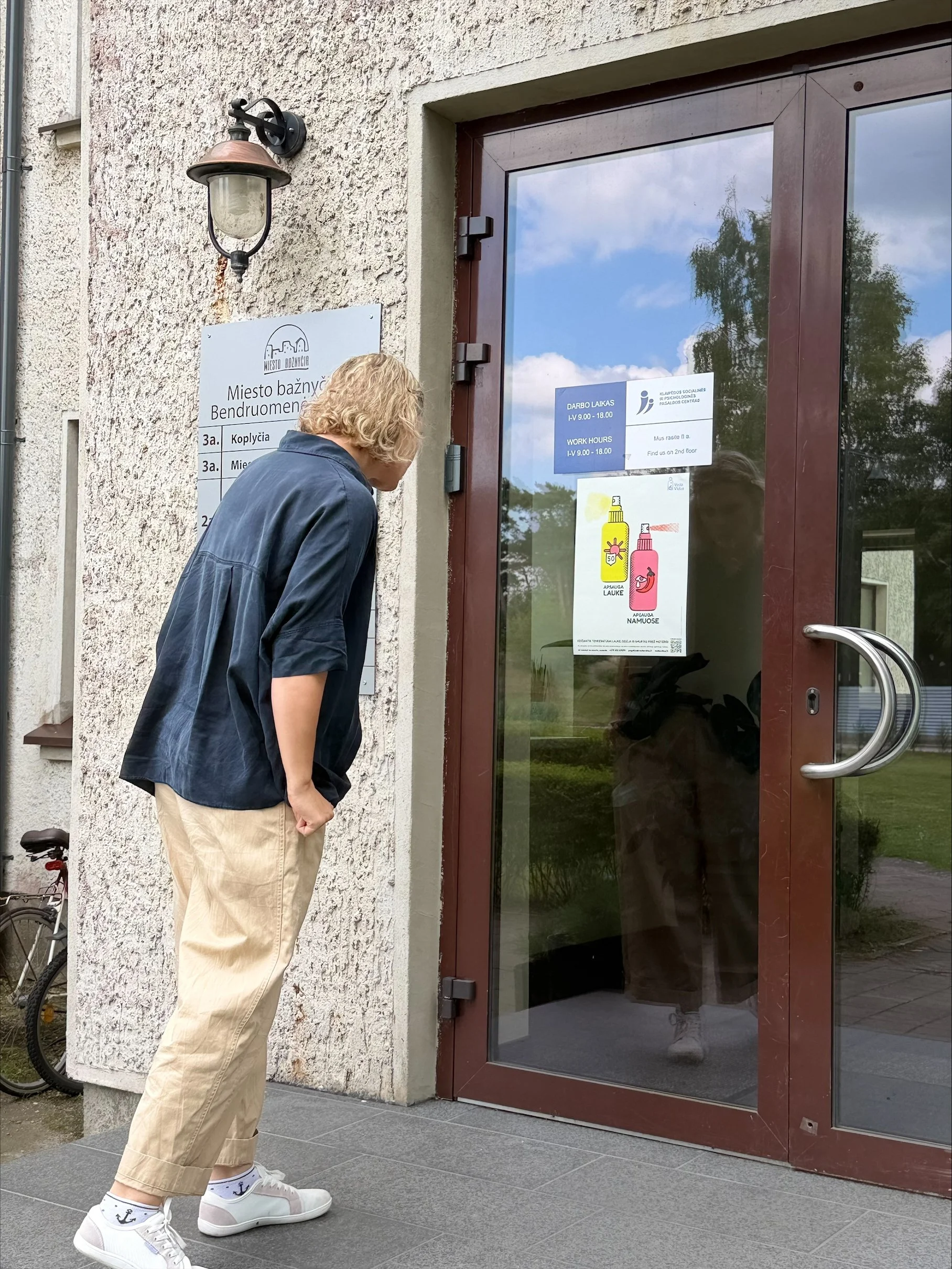
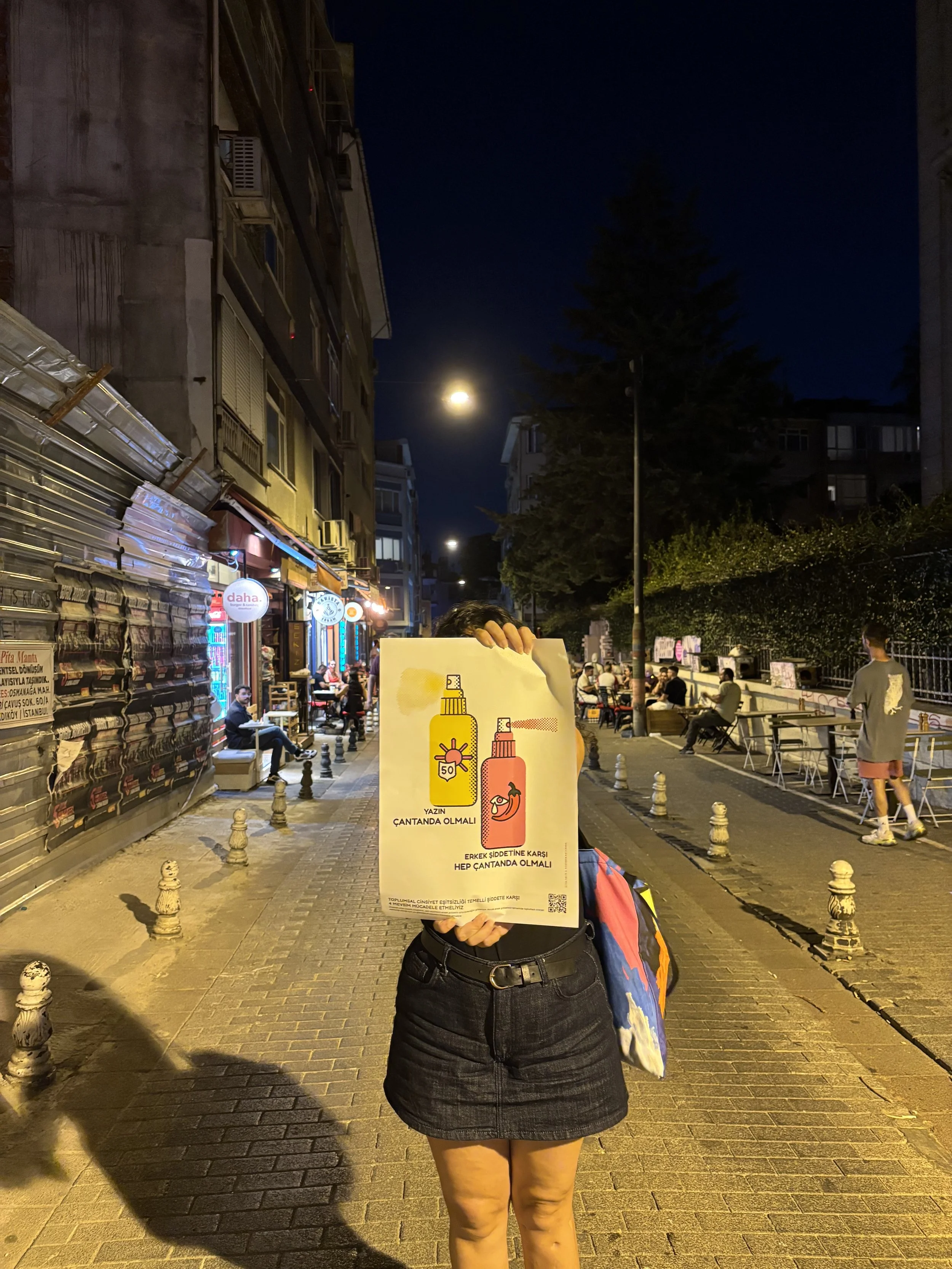
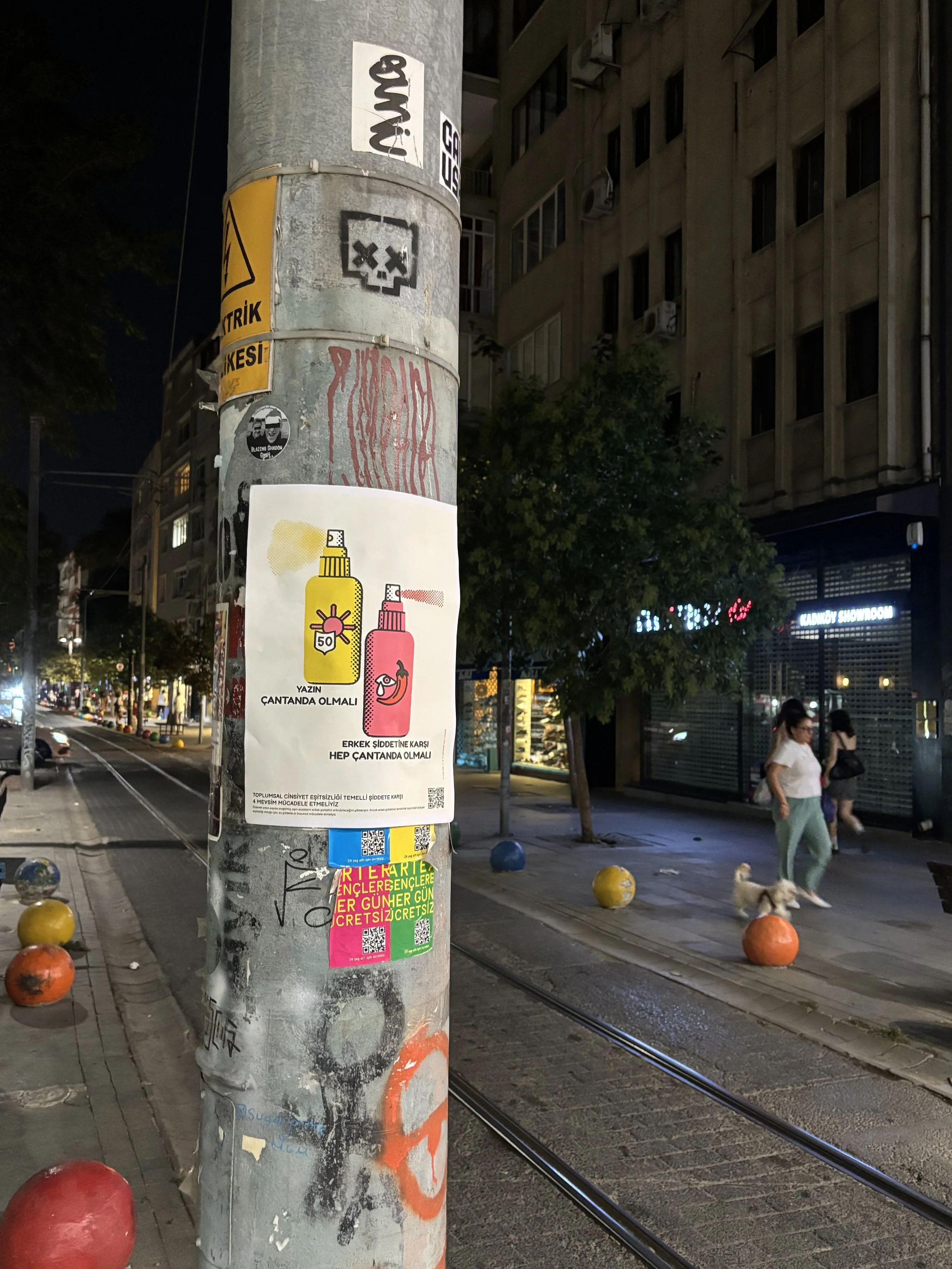
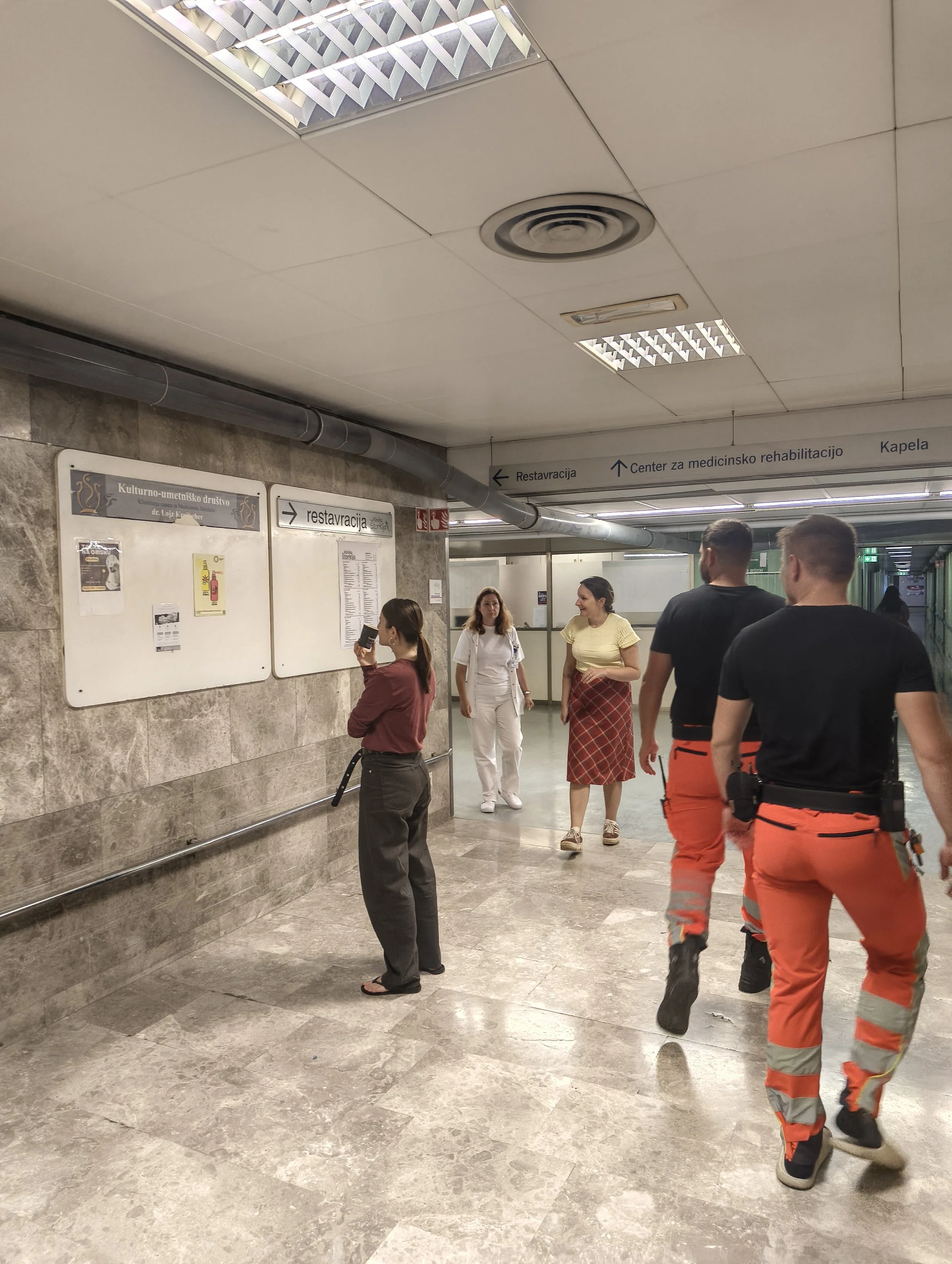
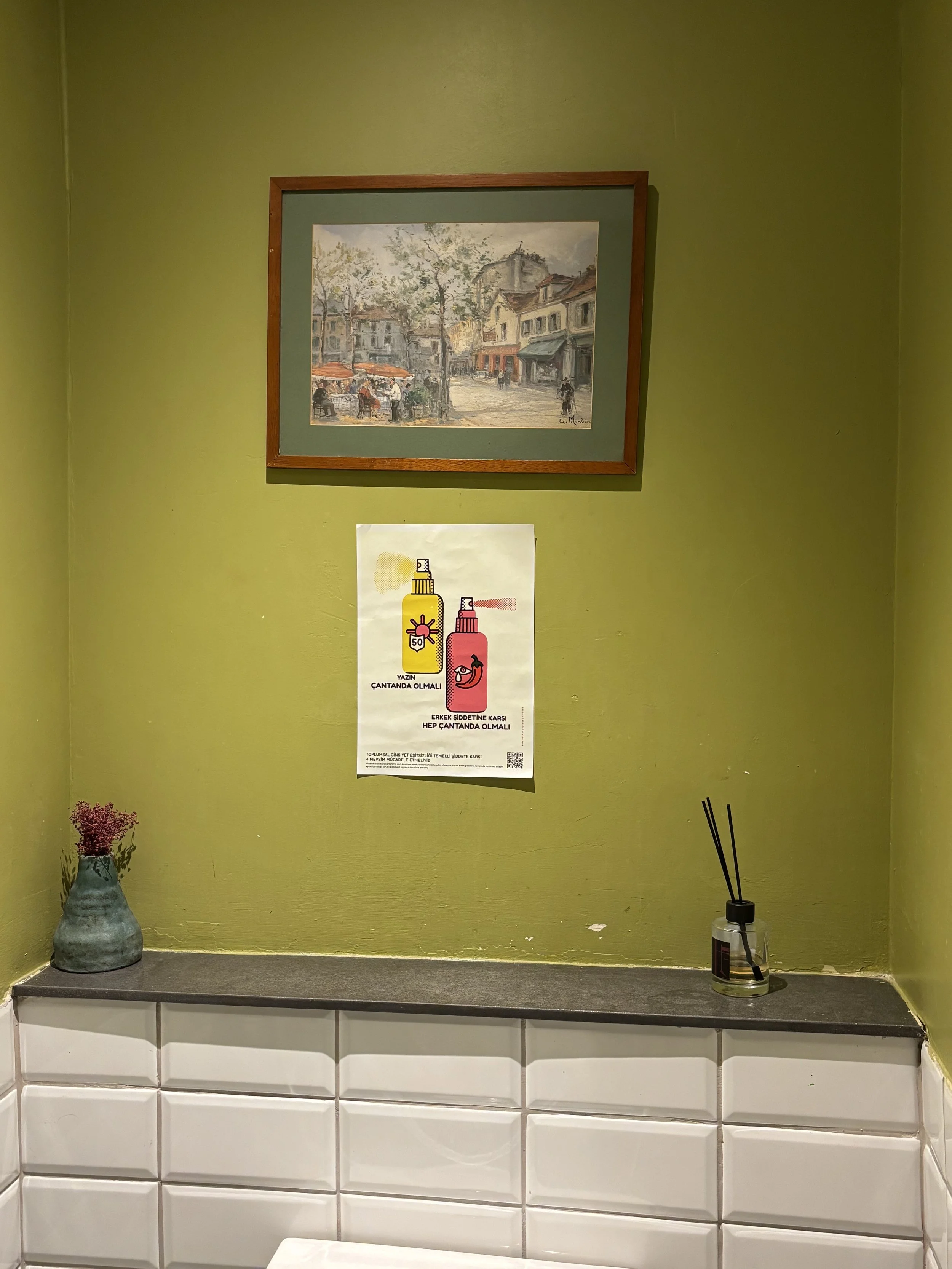
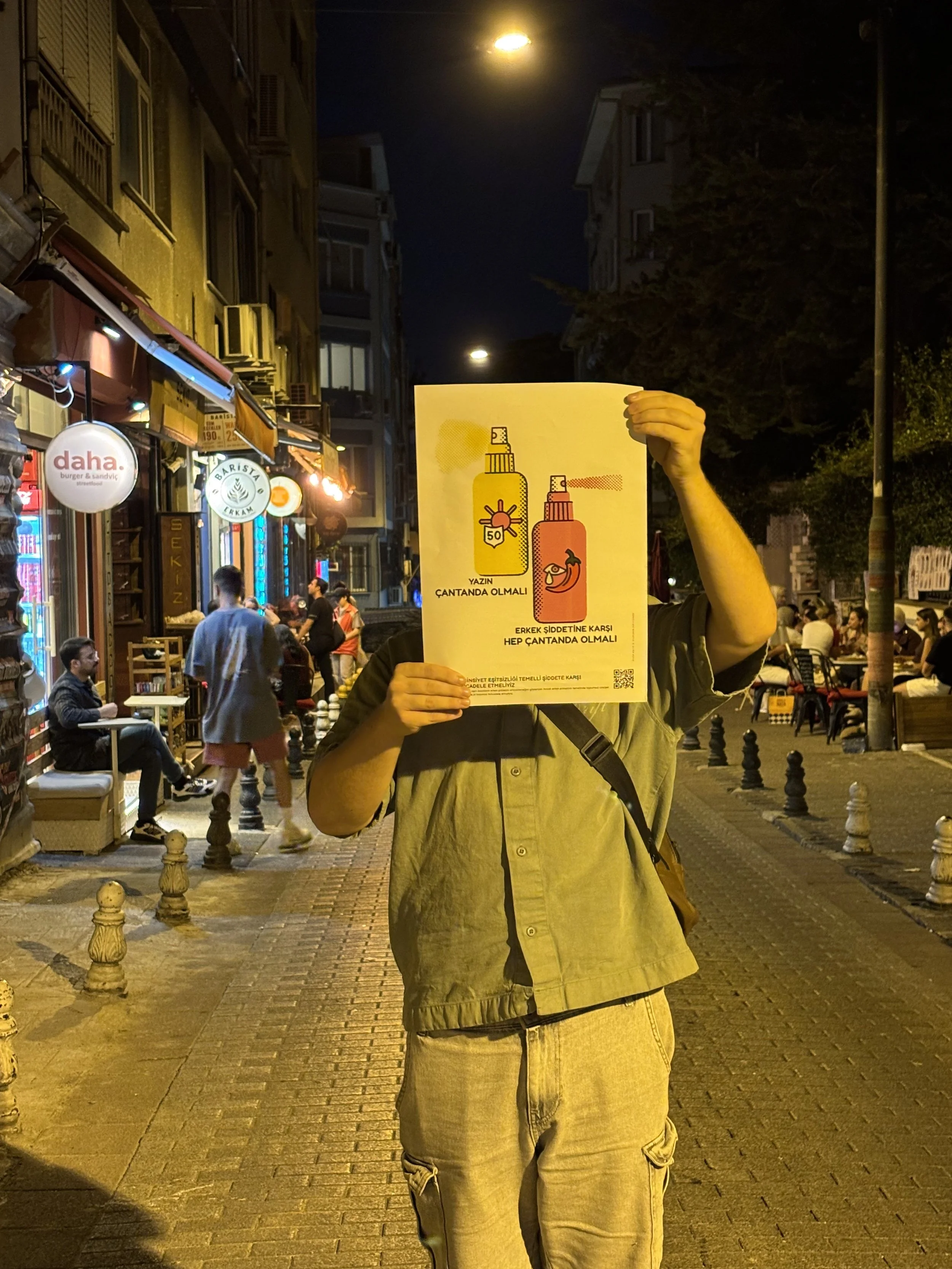
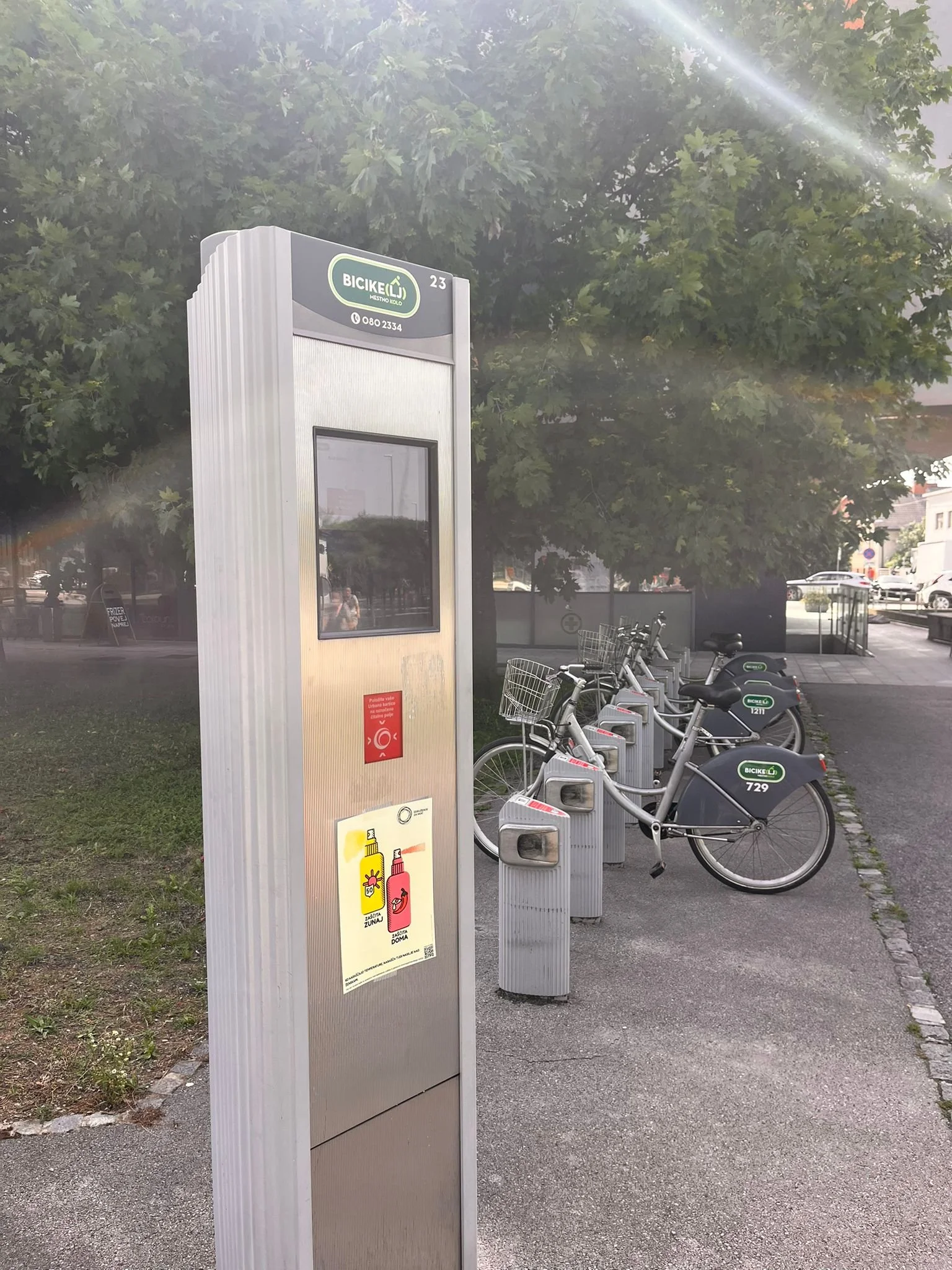
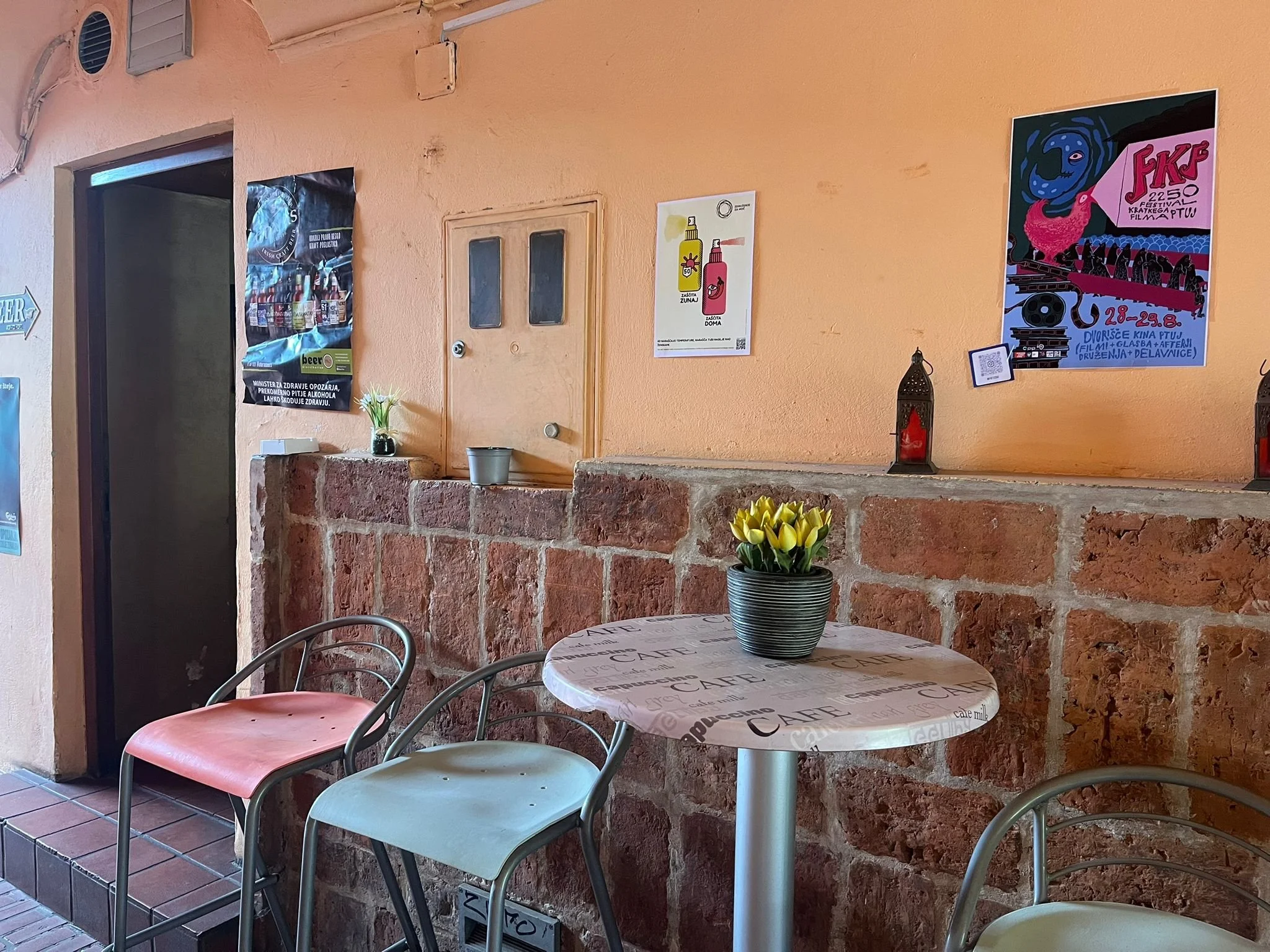
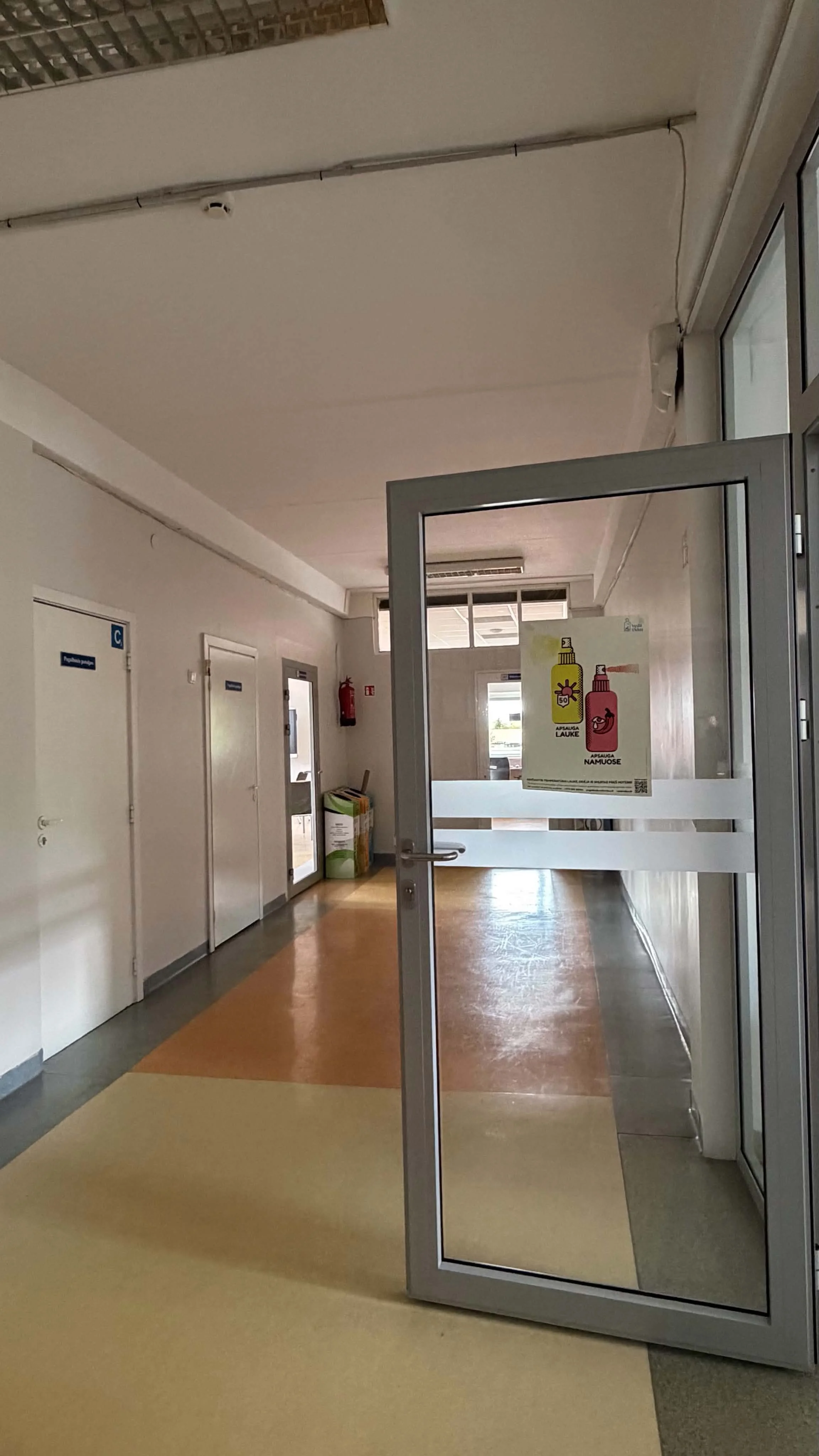
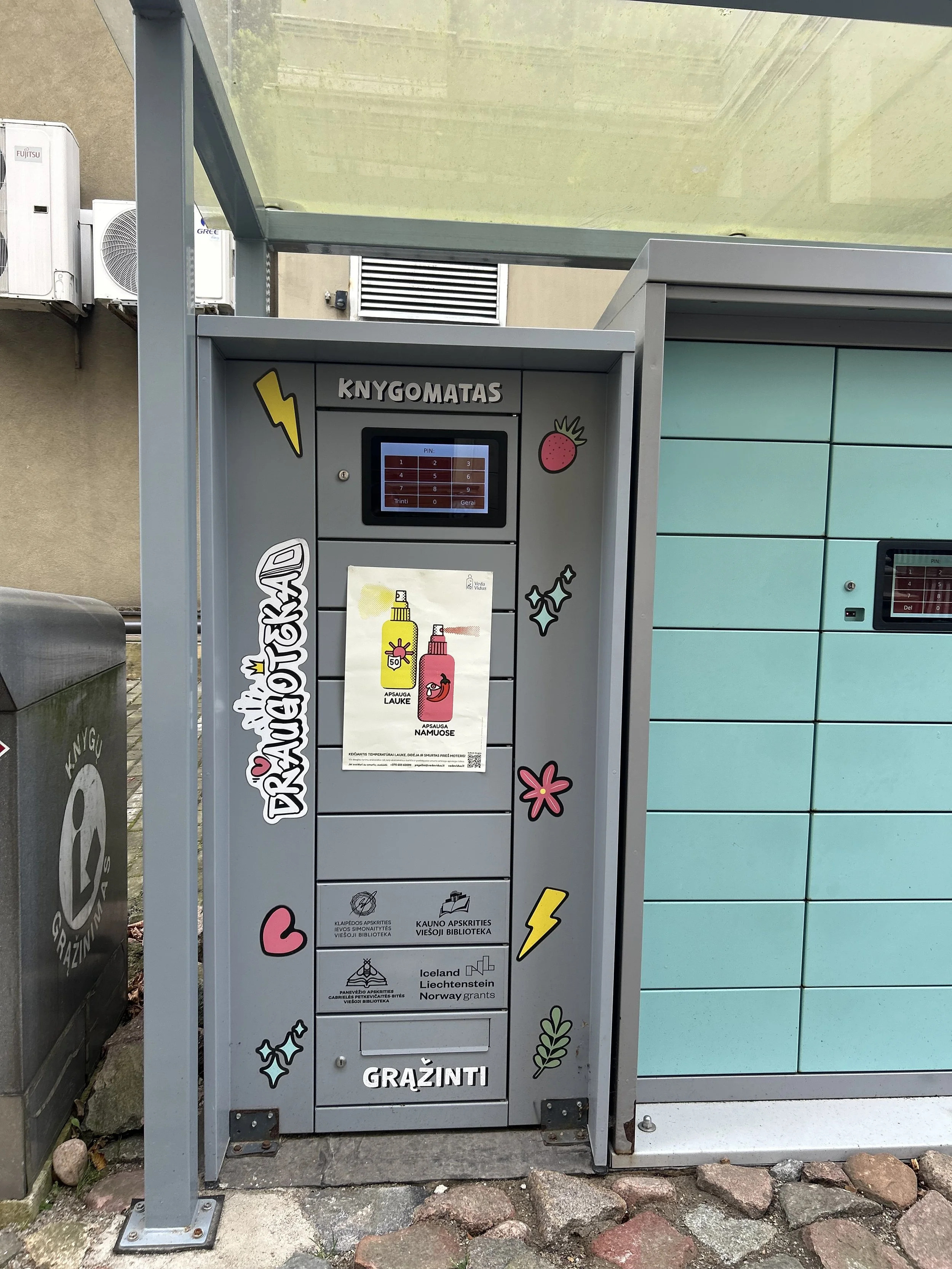
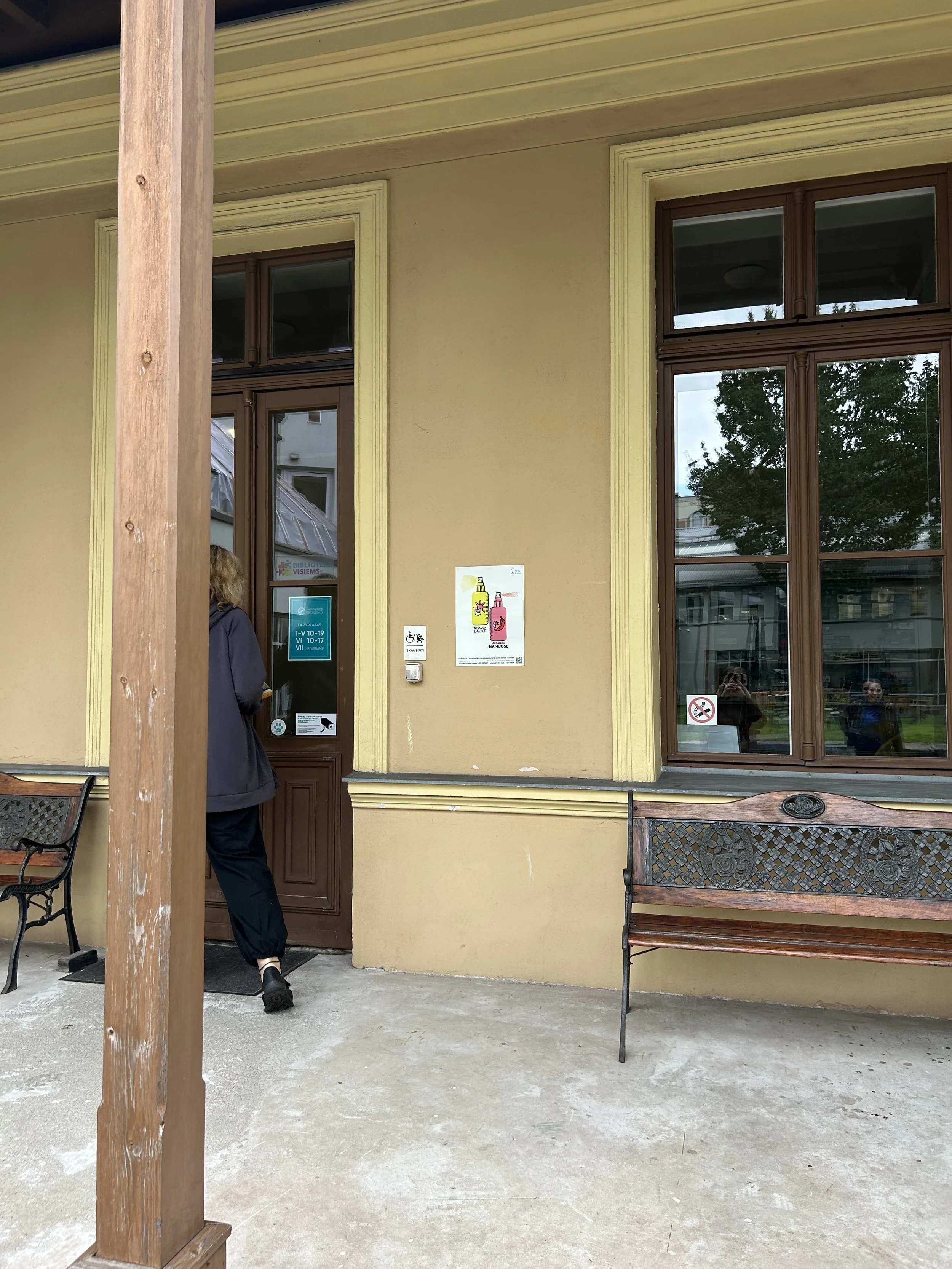
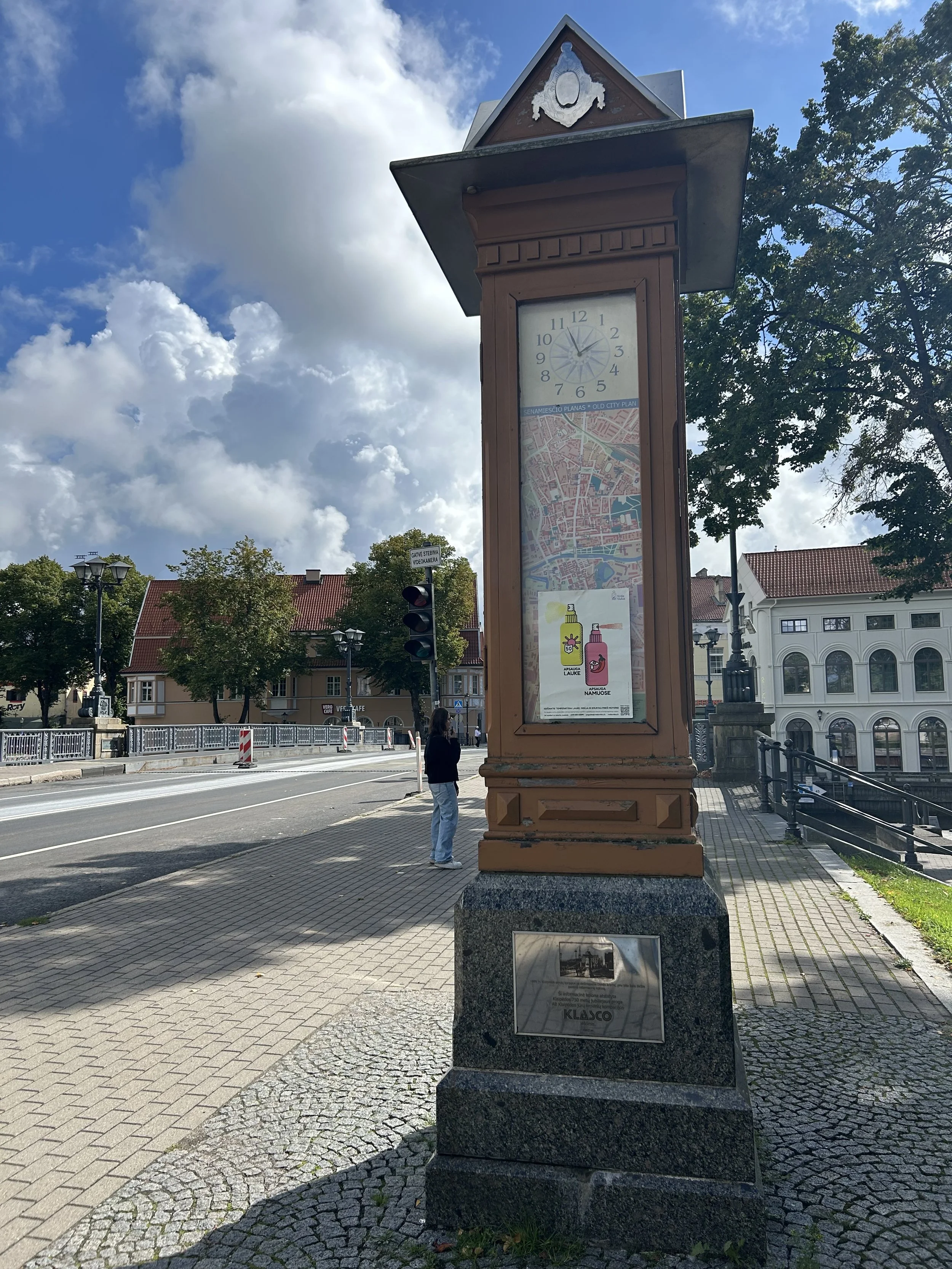
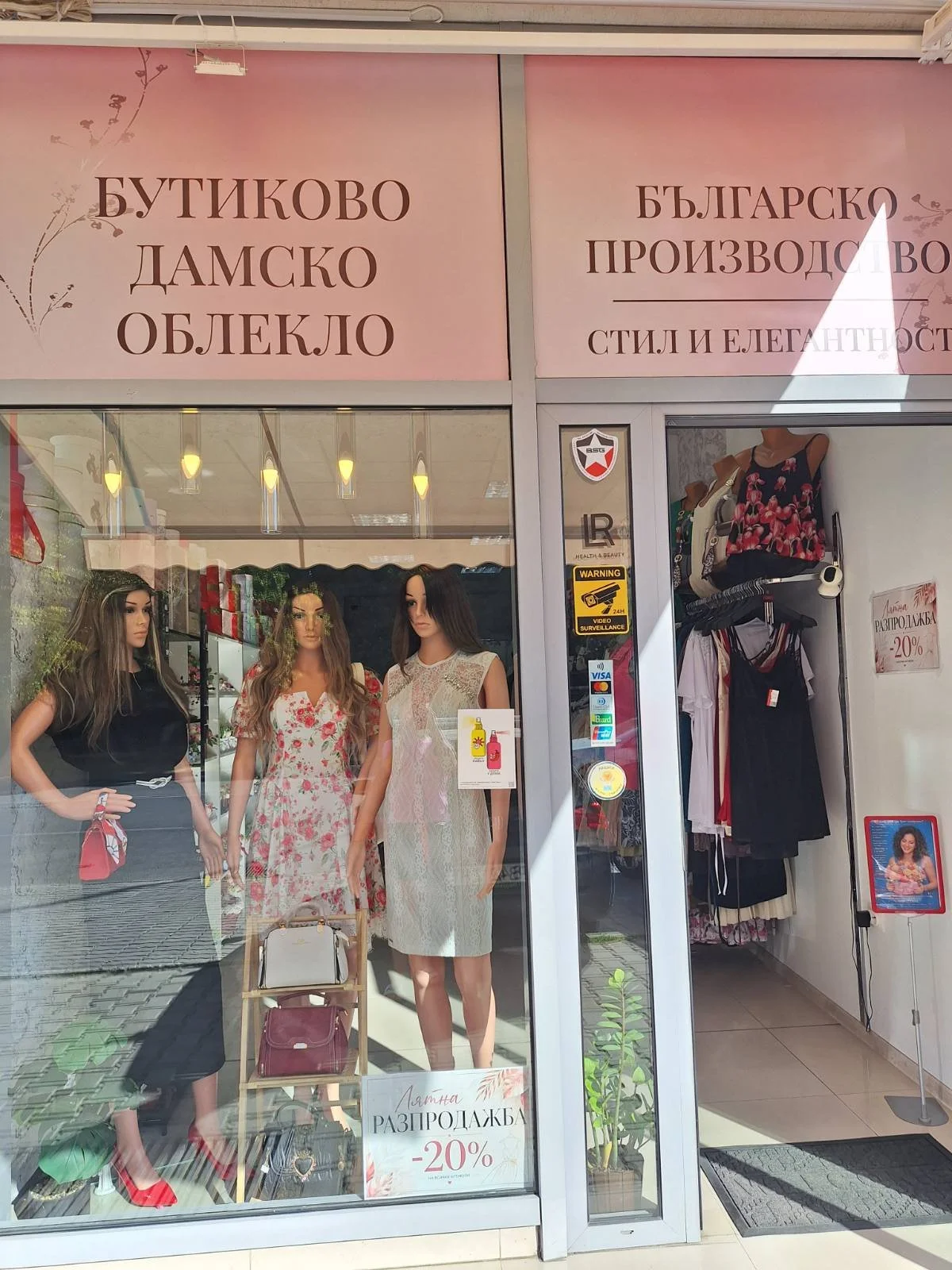
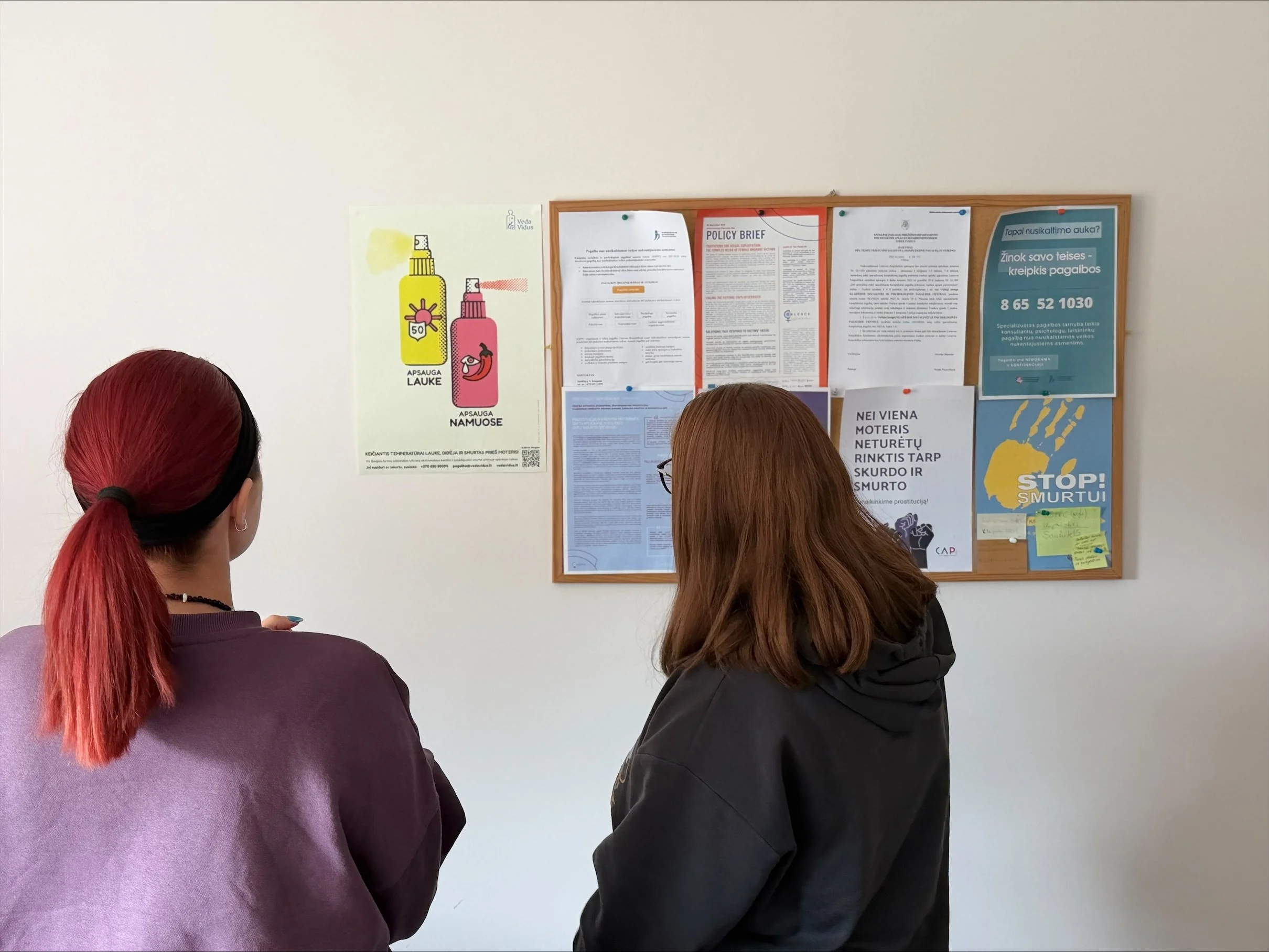
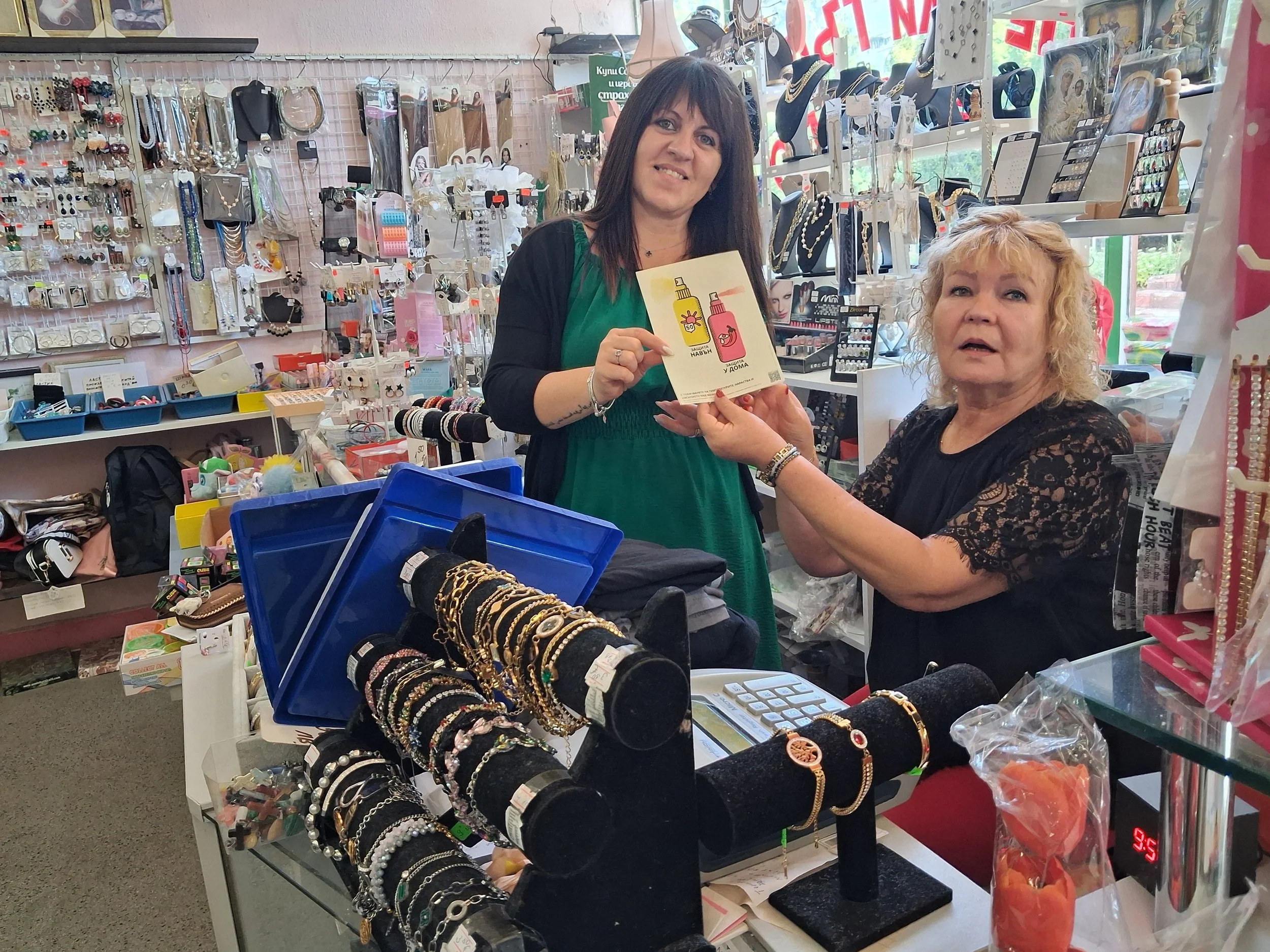
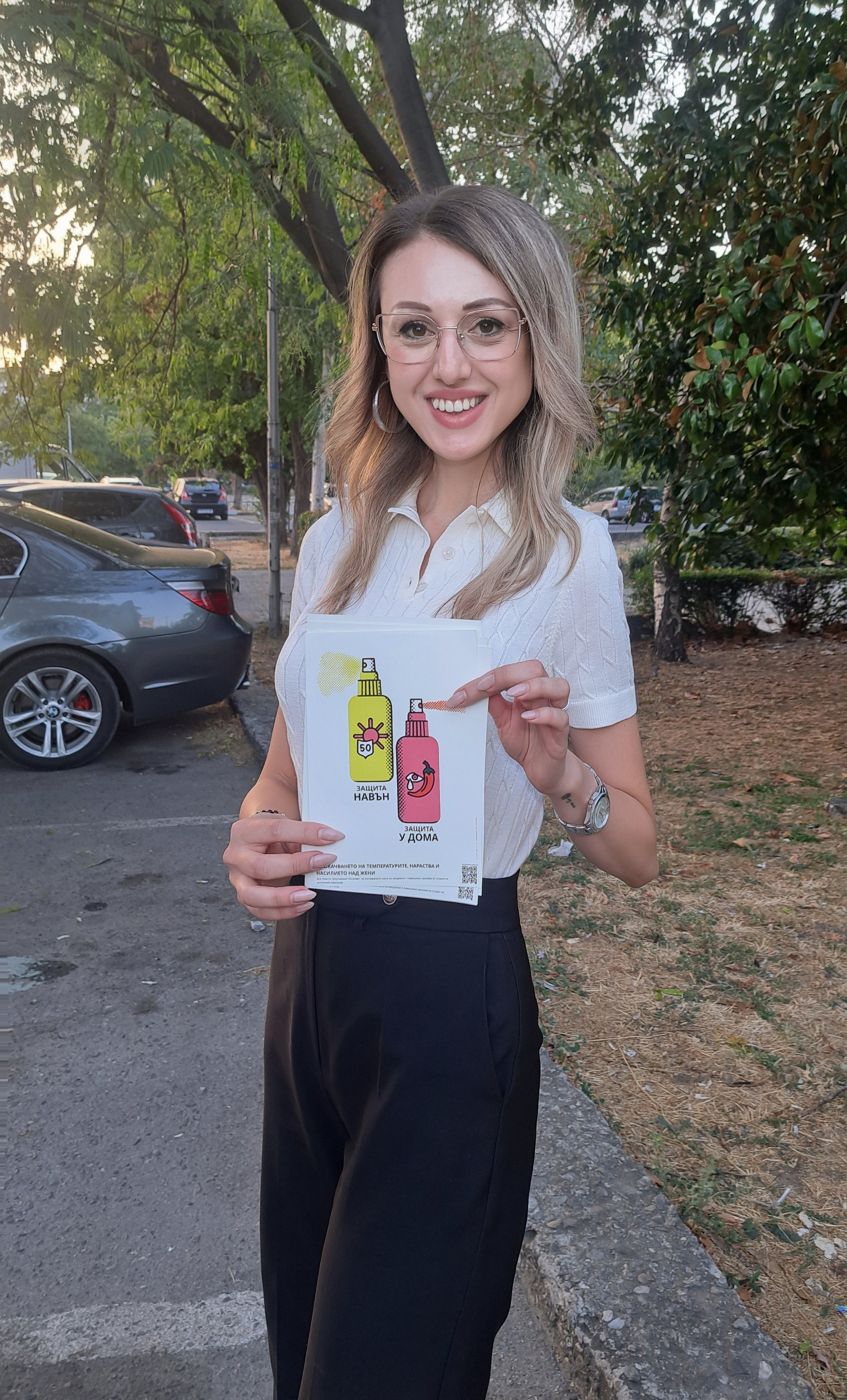
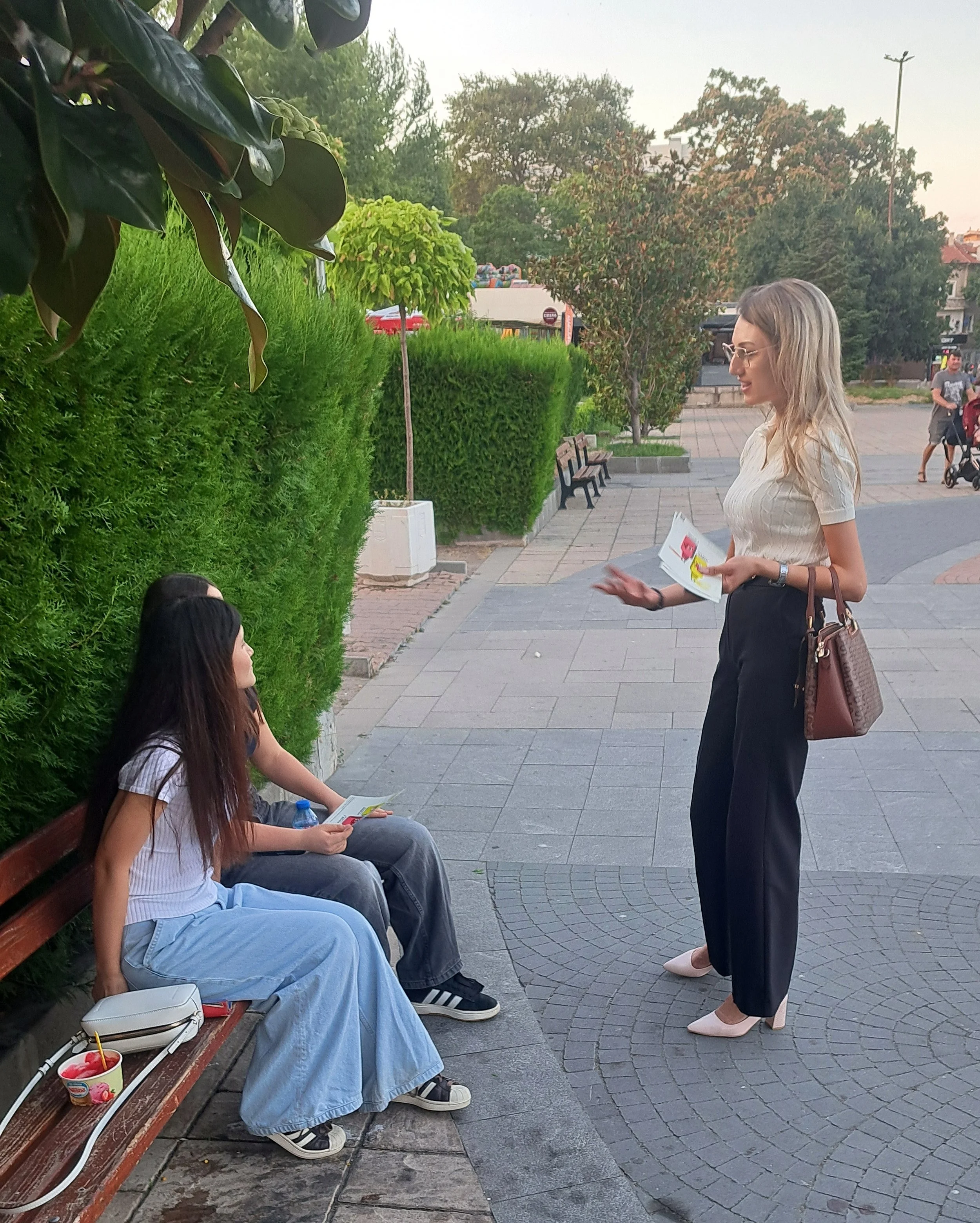
We are inviting people everywhere to bring the campaign to their own streets, buildings, workplaces, cafés, gyms, salons, and community spaces. Anyone can download and print the poster – or use the editable version to translate it into their own language – and help spread the word where they live. The more visible this connection becomes, the harder it is to ignore.
PUT IT UP.
PASS IT ON.
SHARE IT.
Help make this hidden connection impossible to ignore.
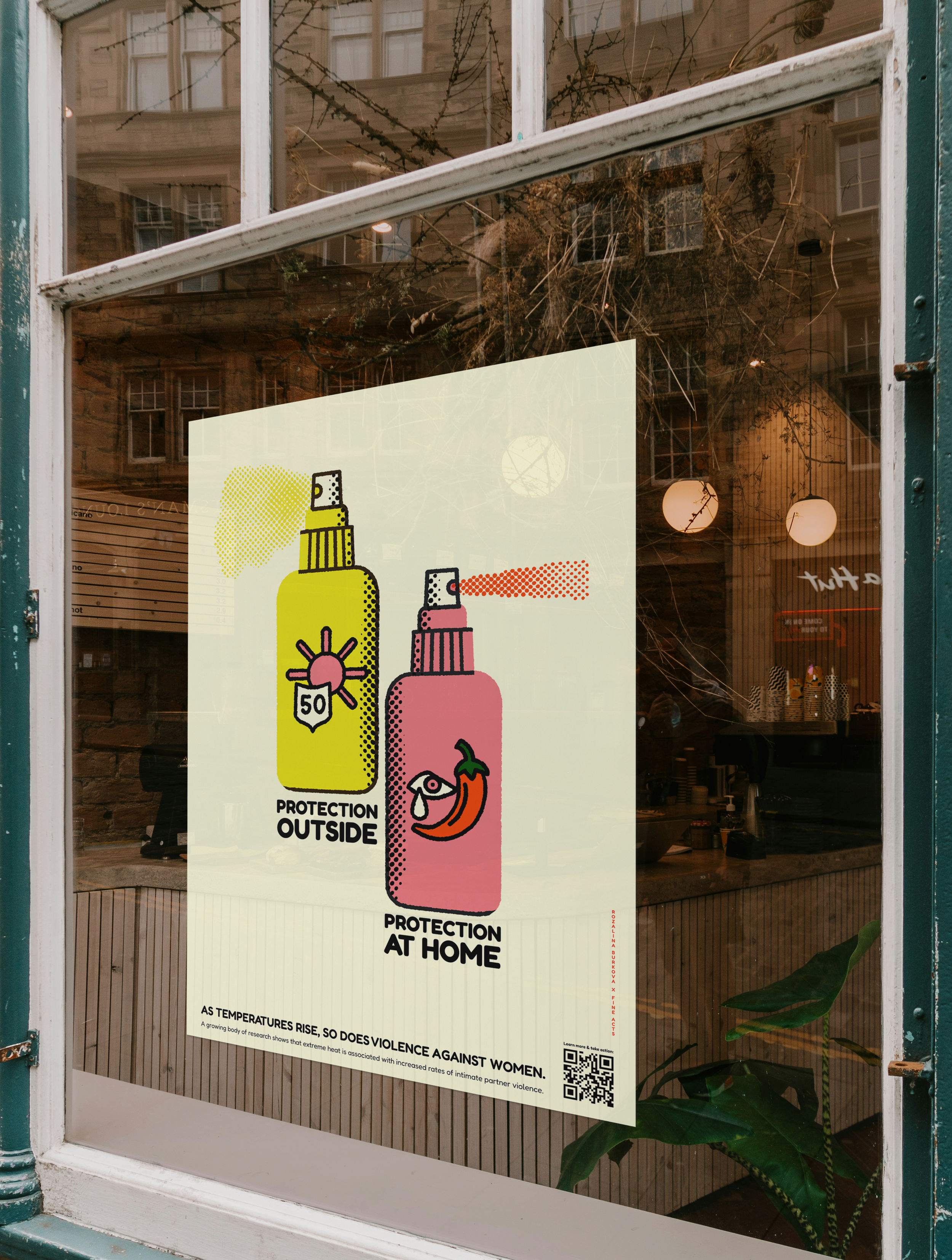
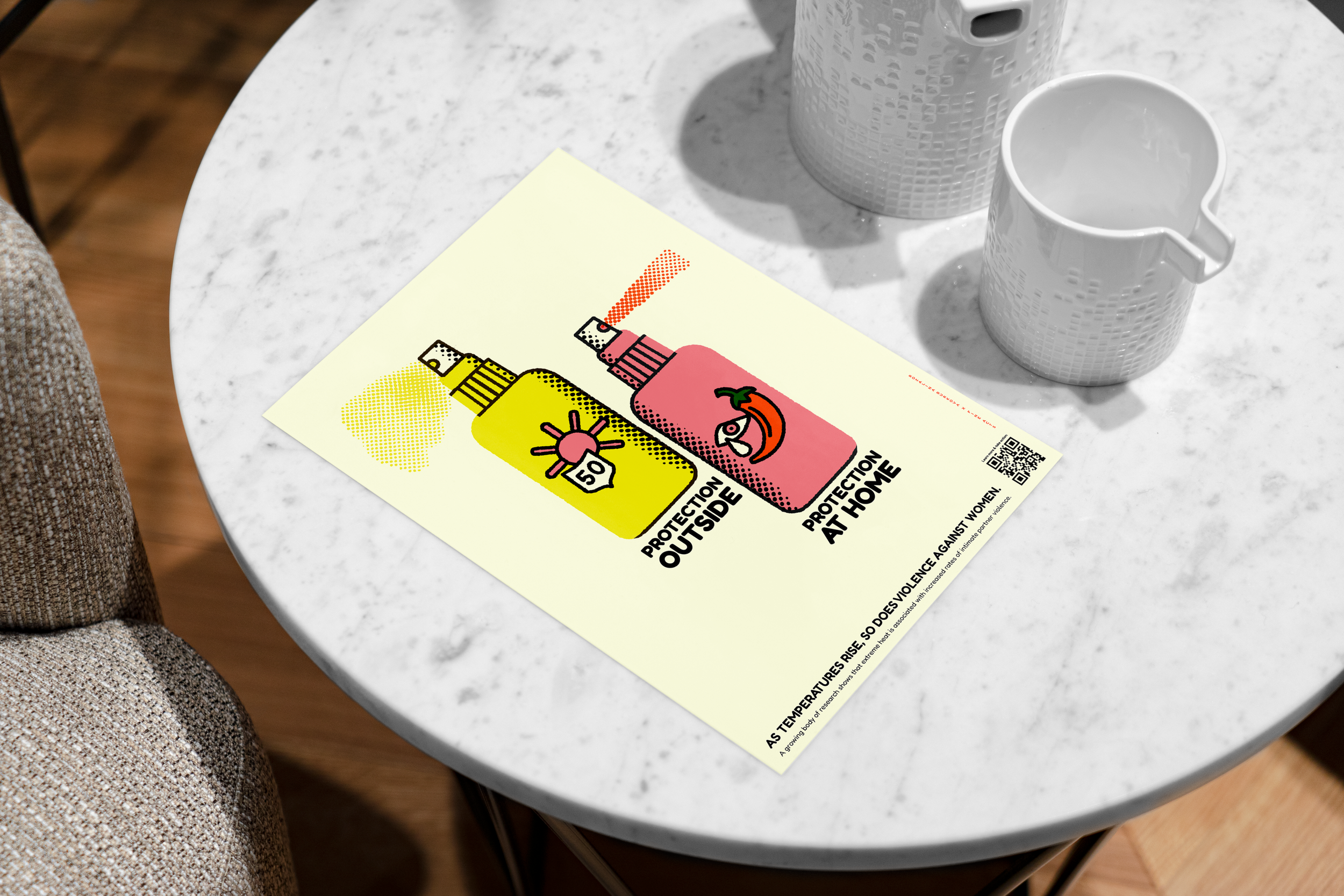
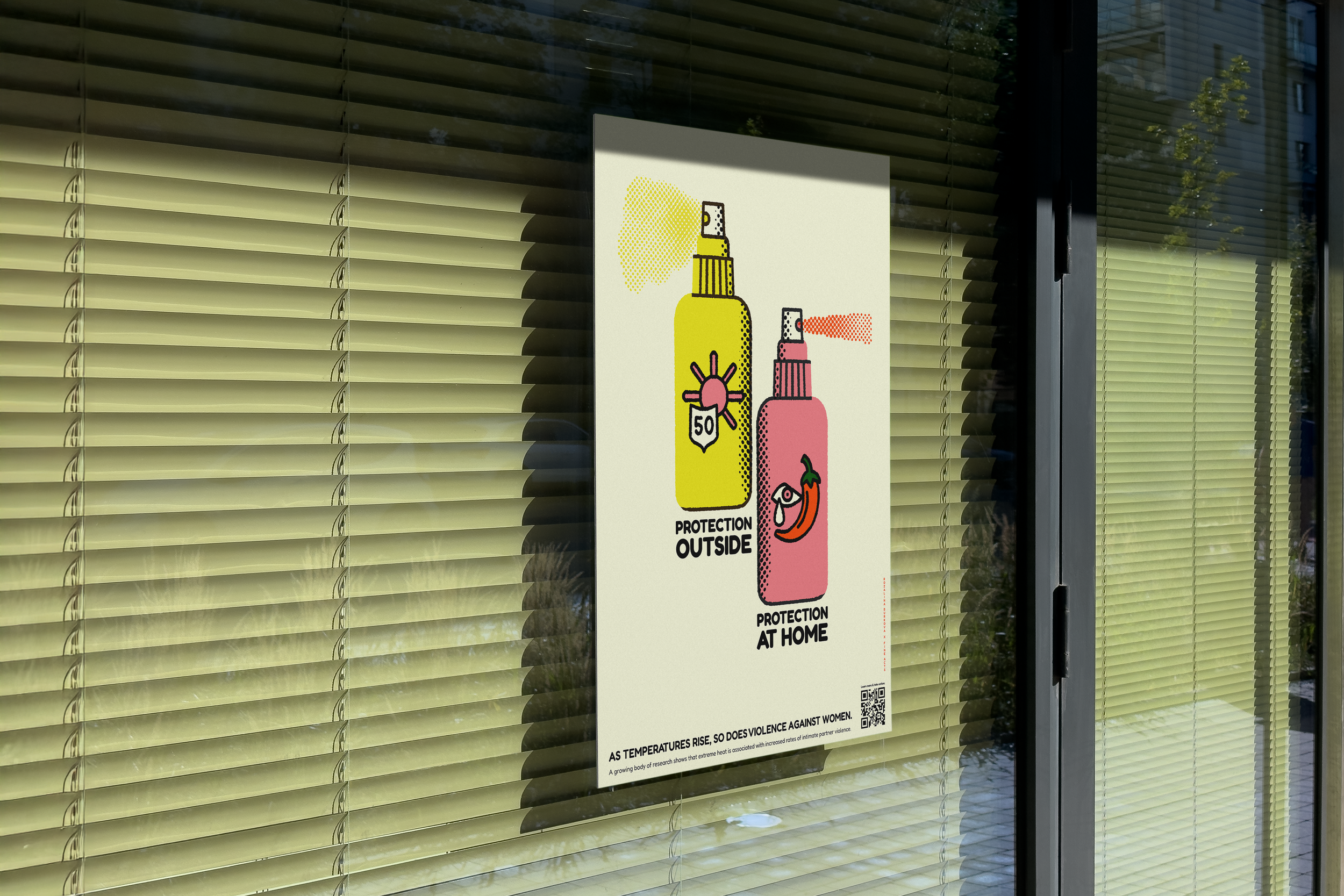
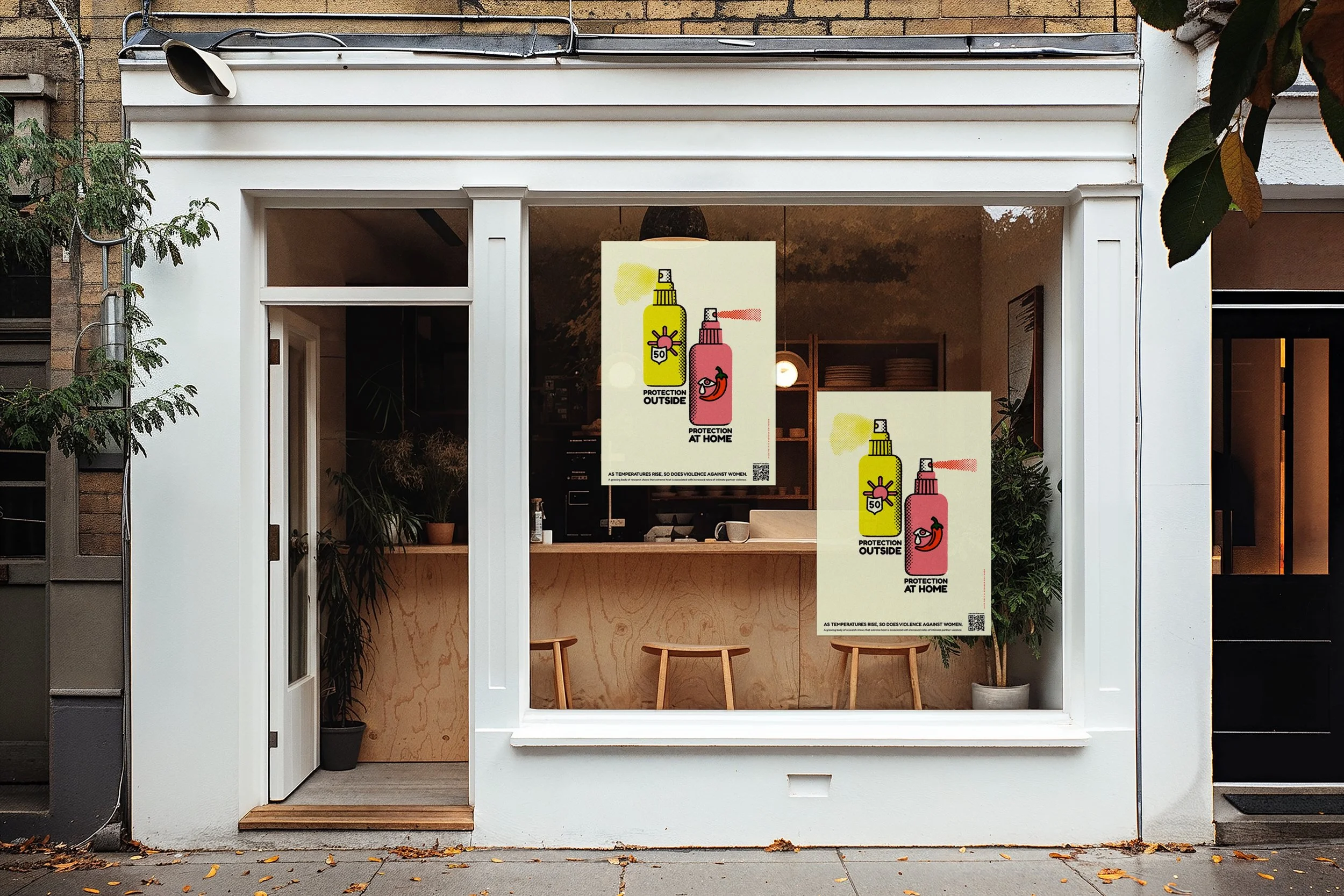
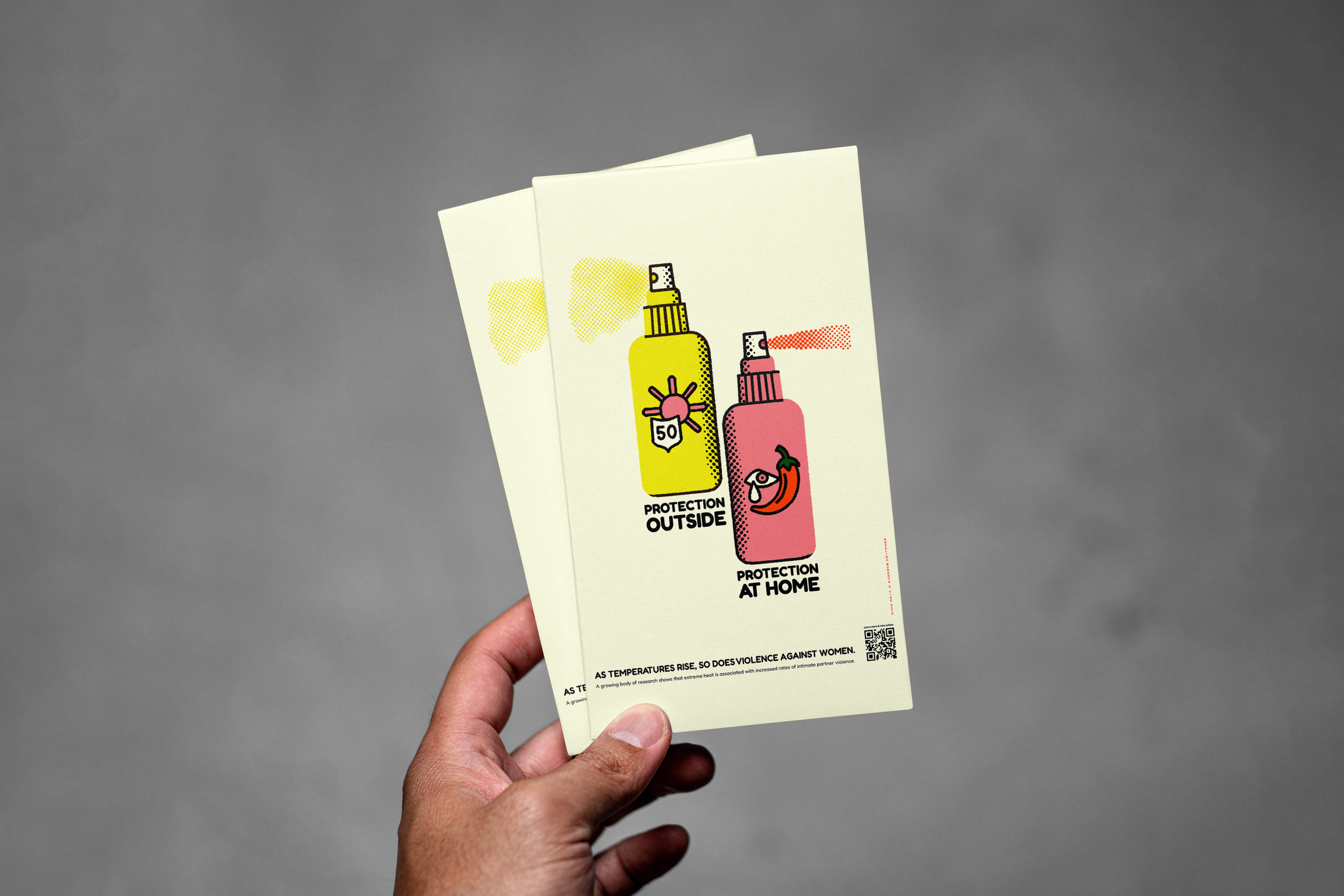
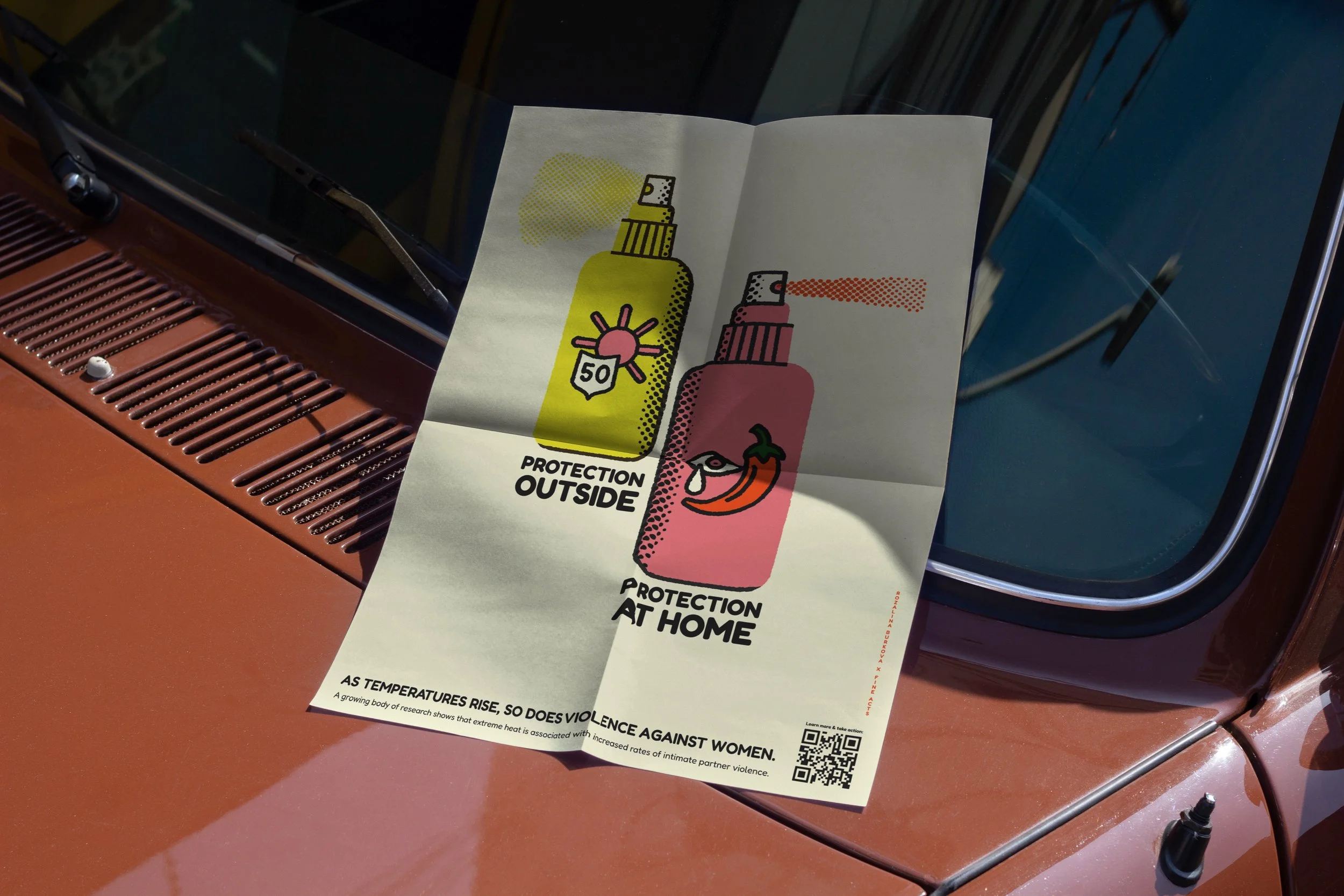
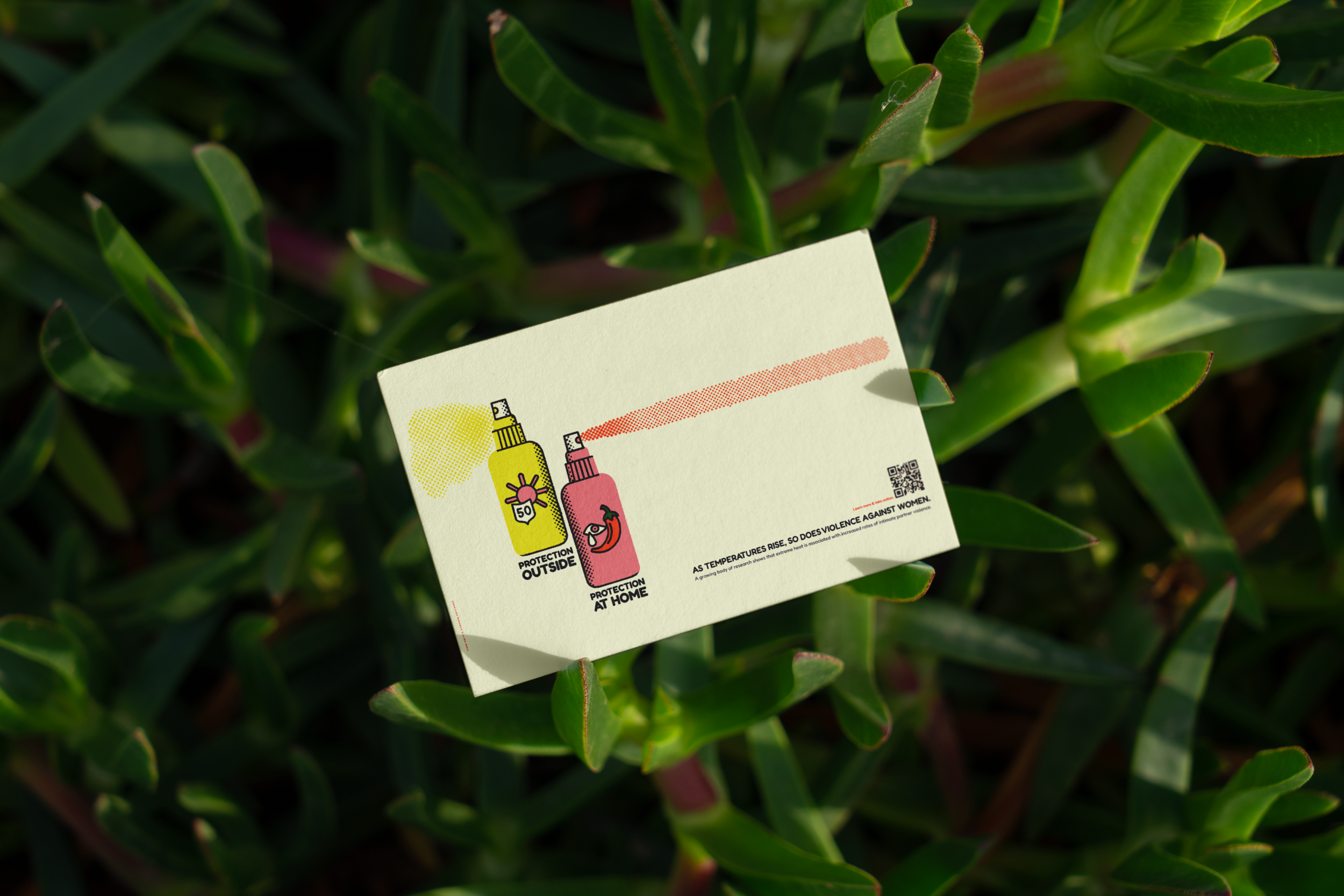
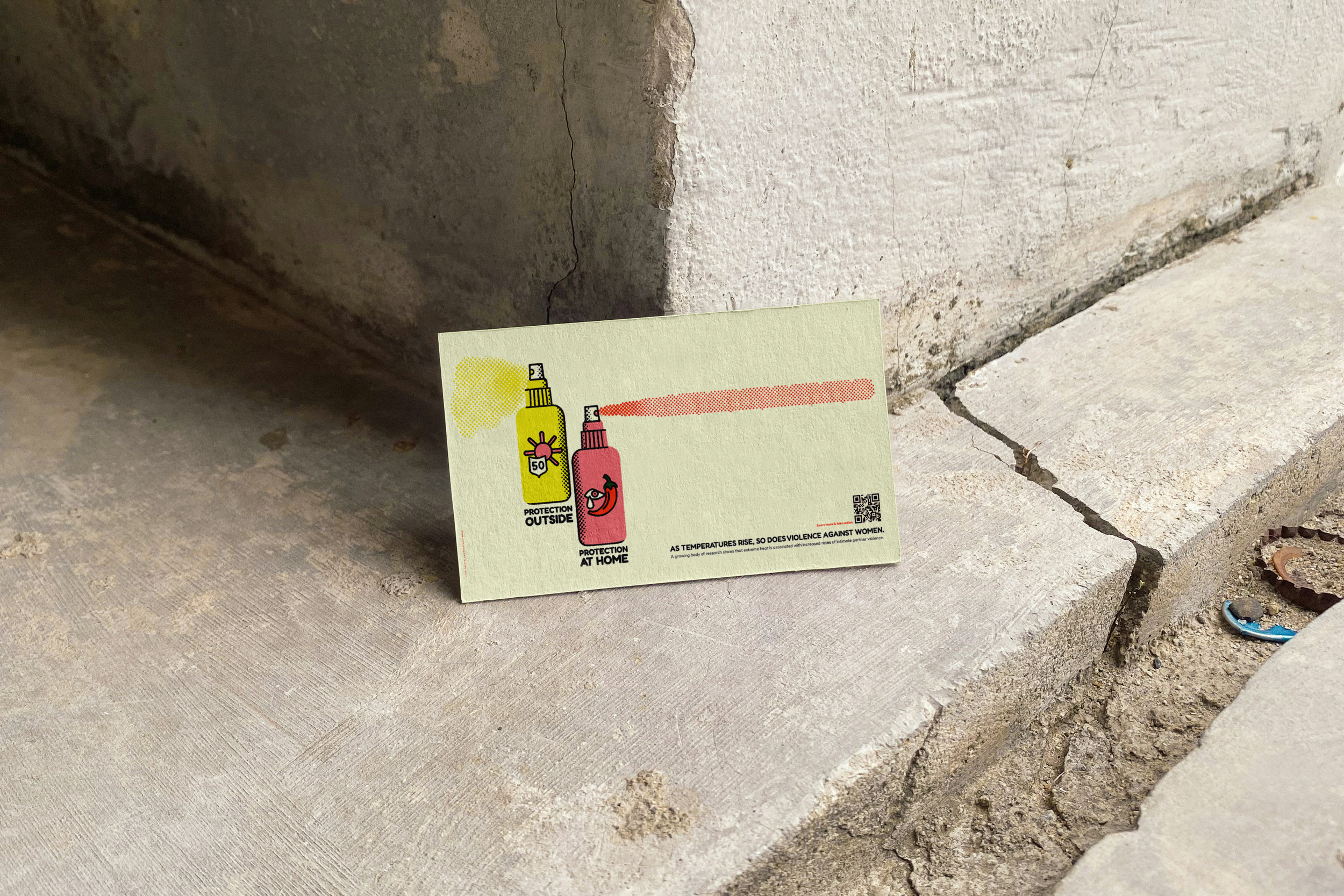
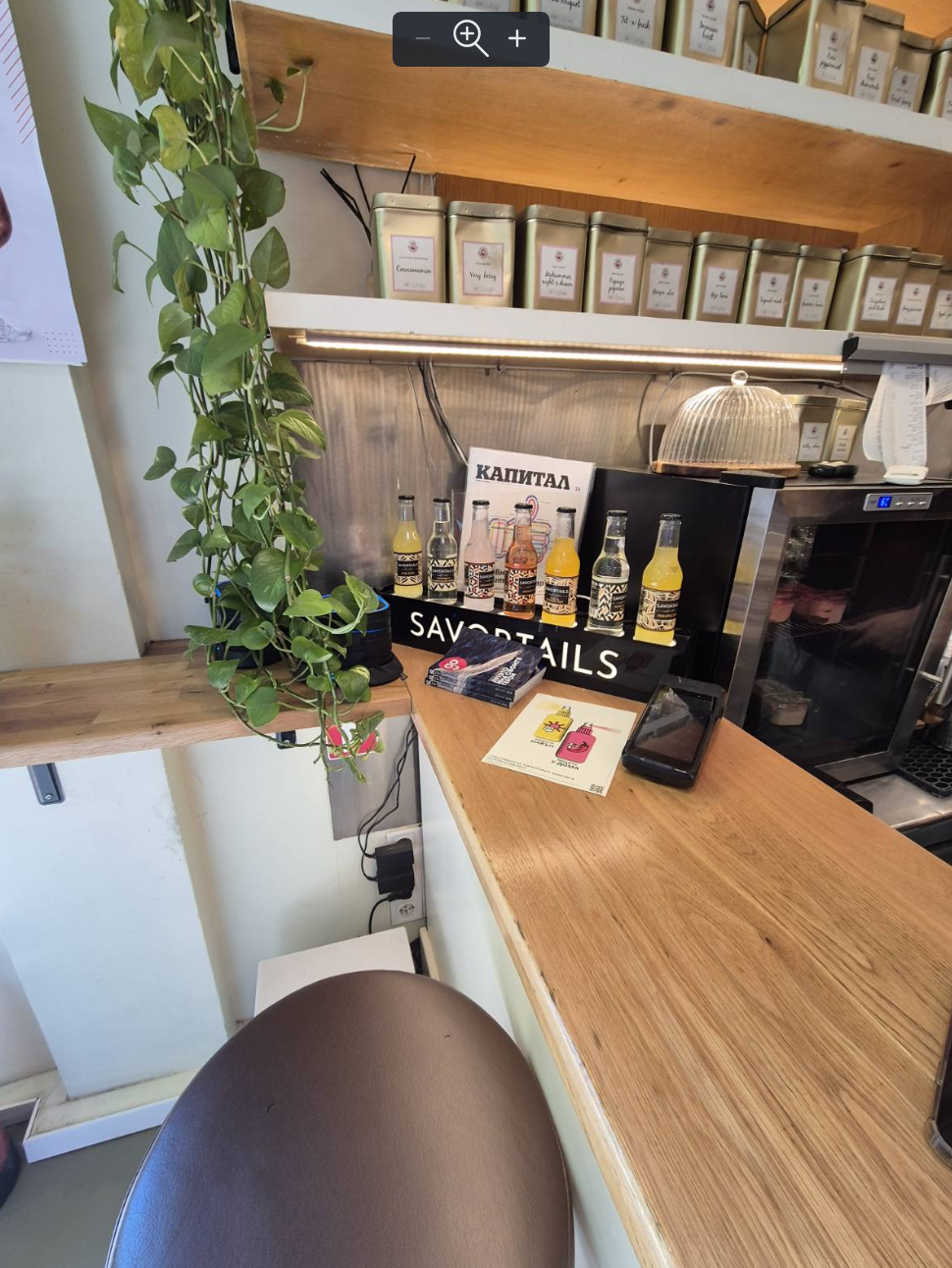
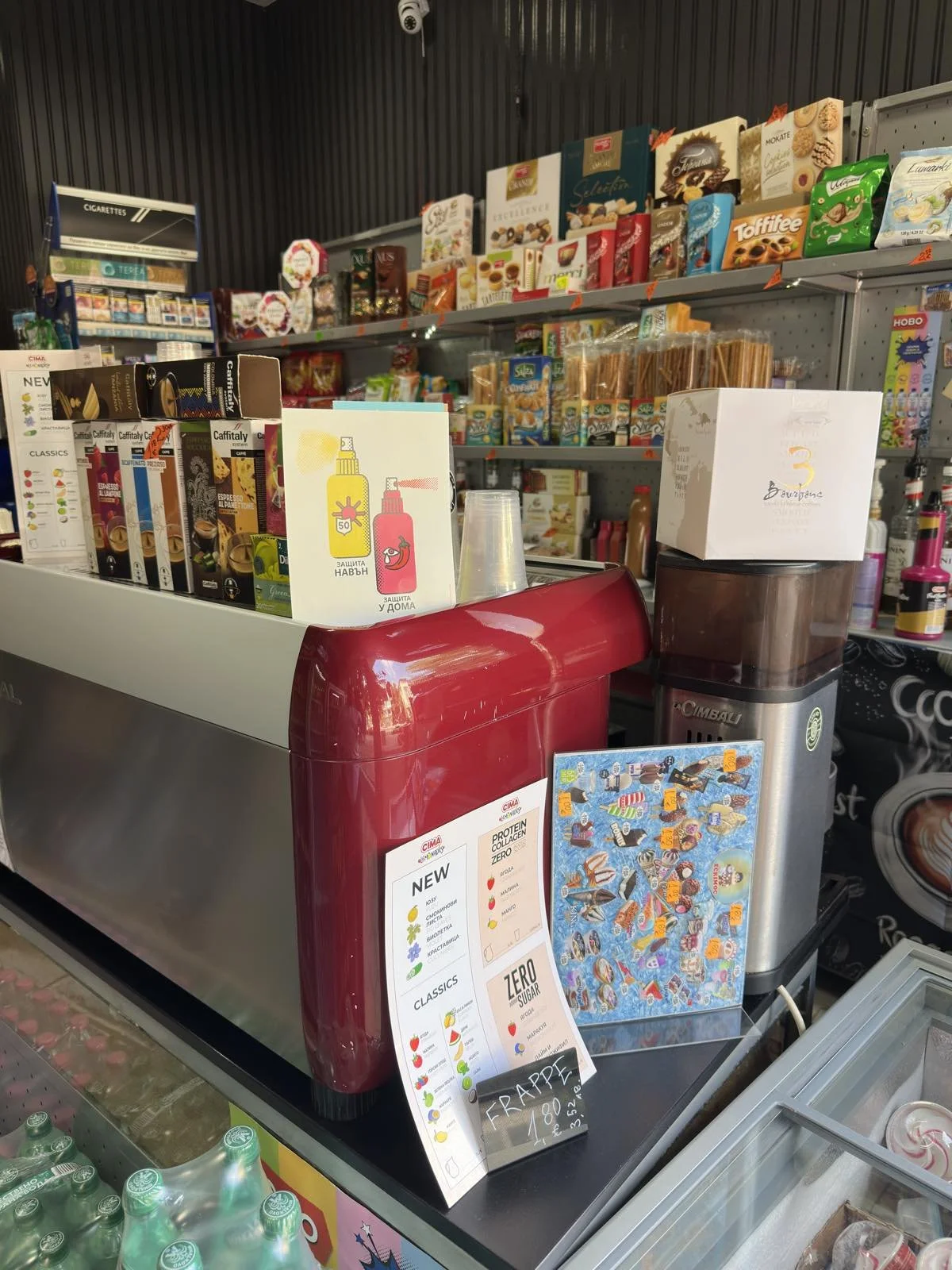
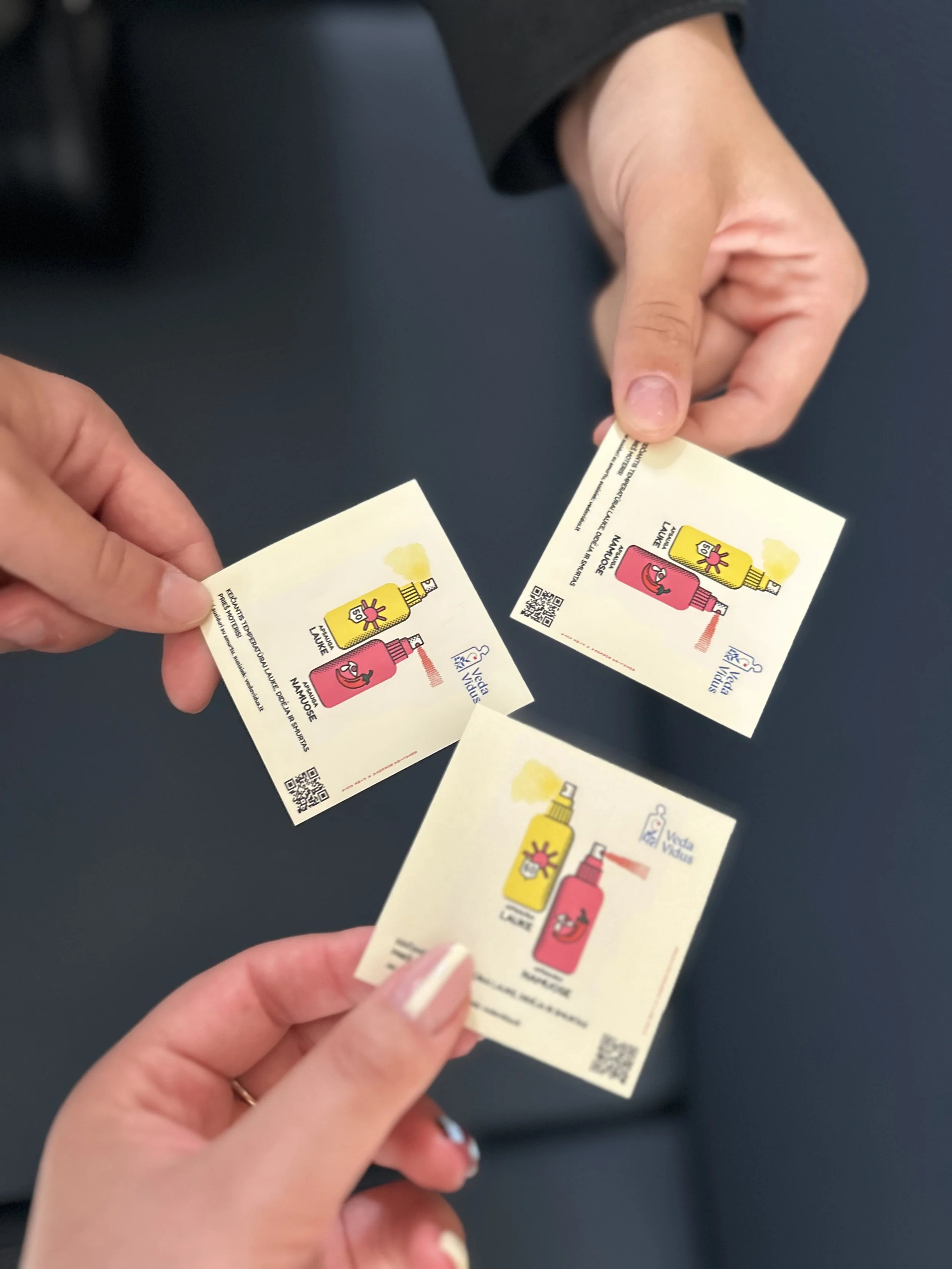
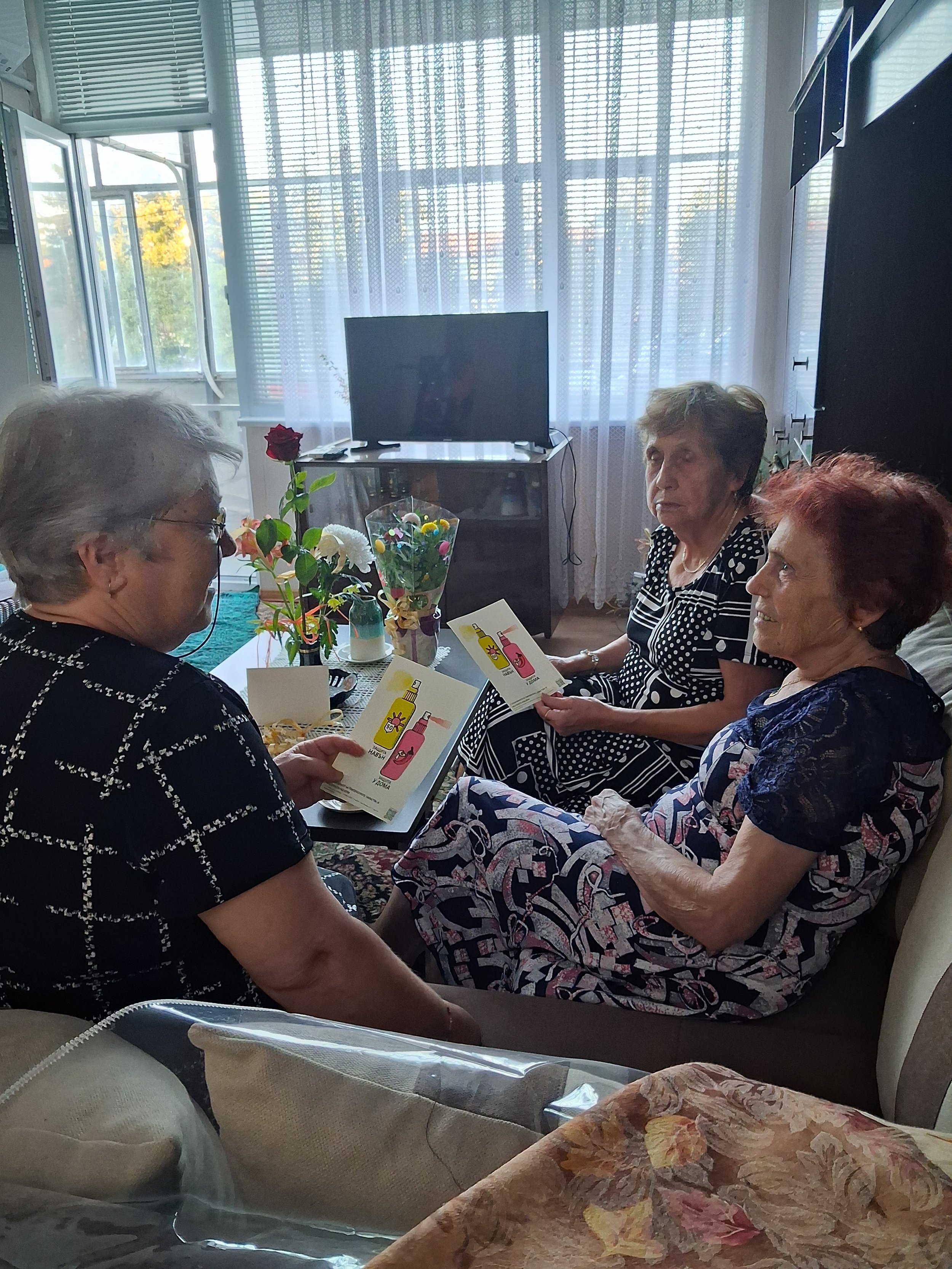
Creative activation ideas (above), and how you have been bringing these to life (below).
A BIG THANK YOU to our local activation partners: Active Communities for Participatory Democracy (Moldova), Fonden Gaia (Denmark), Bulgarian Platform – European Women’s Lobby (Bulgaria), QIKA Institute (Kosovo), Radfem Kollektiv Berlin (Germany), Sena Cakir (Türkiye), Veda Vidus (Lithuania), Združenje za MOČ (Slovenia), Rozviy (Ukraine), Konsent (Czech Republic), and Association SOS Helpline (Slovenia).


The Good Brief is our call to a select group of leading ad agencies and creative studios to develop small-scale, high-impact concepts in response to a shared challenge. Rather than positioning agencies as vendors delivering on a client brief, The Good Brief invites them to act as social impact authors and co-conspirators in change. Designed as an annual call, the first edition is dedicated to the intersection of women and climate.
Fine Acts
Global

Futura DDB
Slovenia

Much Better
Bulgaria

DDB Budapest
Hungary

Poser Global
Sweden

Tribal Worldwide
Romania

Omnicom
United Kingdom